
Wednesday
15
April 2026
4:00 - 5:30 PM IST
Location
Room 004, School of Arts and Sciences
Central Campus
Share
Winning 377, Losing Ground? The Unfinished Business of Queer Selfhood under Constitutional Rights!!
Arts and Sciences Lecture Series
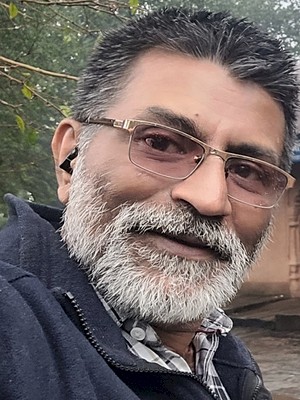
Aditya Bondyopadhyay
Lawyer and Activist
SpeakerThe reading down of Section 377 in 2018 is often narrated as a decisive constitutional triumph—an overdue correction that restored dignity, privacy, and equality to queer lives in India. Yet, to treat this moment as an endpoint is to misunderstand both the nature of the struggle and the limits of constitutional recognition. This talk argues that while the dismantling of Section 377 marked a critical juridical shift, it did not—and could not—resolve the deeper, ongoing contest over queer selfhood and citizenship within India’s constitutional framework.
Drawing on firsthand engagement with the legal and advocacy processes surrounding Section 377, the talk reflects on how this victory was made possible: through an unusual convergence of public health imperatives, strategic litigation, coalition-building across movements, and a gradual reshaping of constitutional language itself. It examines how the courts, at key moments, became sites not only of adjudication but of imagination—articulating expansive visions of dignity, autonomy, and identity. At the same time, the talk interrogates the fragility of these gains. It explores the disjuncture between formal decriminalization and the lived realities of queer persons, where recognition remains uneven, mediated by family, bureaucracy, and social power. In this context, recent legal and policy developments—including the evolving framework governing transgender rights—raise urgent questions about the direction of state engagement: whether it moves toward enabling selfhood or reasserts control through regulation and certification.
Ultimately, the talk situates the queer rights movement not as a completed journey from criminalization to freedom, but as an ongoing constitutional project. It asks what it means to claim selfhood not merely as an identity recognized by law, but as a lived reality sustained by rights, institutions, and social legitimacy—and what remains to be done when the promise of the Constitution is only partially fulfilled.
Speaker
Aditya Bondyopadhyay
Aditya Bondyopadhyay is a lawyer and prominent LGBTQ+ rights activist in India, best known for his role in the legal and advocacy efforts that led to the reading down of Section 377 of the Indian Penal Code. As one of the founding figures associated with the Naz Foundation’s legal challenge, he played a key role in shaping the constitutional arguments that foregrounded dignity, privacy, and equality for queer persons.
Beyond litigation, he has been deeply engaged in community mobilisation, public health advocacy, and rights-based policy work, particularly in relation to HIV/AIDS and marginalized sexual minorities. His work has consistently sought to bridge grassroots realities with constitutional principles, contributing to a broader reimagining of citizenship and selfhood for LGBTQ+ individuals in India.
Over the years, he has been part of several national and international forums addressing issues of sexuality, law, and human rights. His writing and public engagements reflect a sustained commitment to examining both the possibilities and the limits of legal reform in advancing substantive equality.


