
Friday
19
December 2025
2:30 - 3:30 PM IST
Location
Room 201, School of Arts and Sciences
Central Campus
Share
From Developmental Programming to Neurodegeneration: Role of One Carbon Metabolism
Arts and Sciences Research Seminar Series
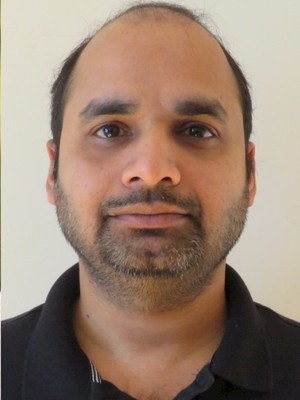
Dilip Kumar Yadav
Senior Post-Doctoral Associate
Boston University School of Medicine, USA
Speaker
One-carbon metabolism (OCM) plays a central role in integrating nutritional signals with epigenetic and metabolic regulation across the life course. My scientific work spans developmental programming to neurodegeneration, highlighting OCM as a key biochemical axis influencing disease susceptibility and neuronal health. During my PhD, I demonstrated how maternal vitamin B12 deficiency and altered folate balance reshape the epigenome, identifying differentially methylated regions and cis-regulatory elements linked to type 2 diabetes, metabolic traits, and early-life developmental outcomes. Extending this framework into neuronal biology, my postdoctoral research uncovered the essential role of OCM in stress adaptation, metabolic gene regulation, and neuronal integrity using C. elegans. Notably, I identified O-GlcNAc–OCM coupling as a mechanistic driver of enhanced axon regeneration, published as a corresponding author in eLife (2024). My latest work connects aging, neurotransmission, and amyloid-β–induced decline, establishing OCM as a unifying pathway bridging development, metabolism, and neurodegeneration.
Speaker
Dilip Kumar Yadav
Dilip Kumar Yadav is a Senior Post-Doctoral Associate at Boston University School of Medicine, USA, specialising in neuro-metabolism, aging, and Alzheimer’s disease. He earned his PhD from CSIR-CCMB, Hyderabad, India, where he investigated the molecular and epigenetic mechanisms linking vitamin B12 with type 2 diabetes and obesity. With extensive postdoctoral experience at Boston University and UMASS Medical School, he has contributed significantly to understanding metabolic regulation, one-carbon metabolism, axon regeneration, and neuronal degeneration, highlighted by his corresponding-author publication in eLife (2024). His research expertise includes molecular biology, C. elegans genetics, microscopy, laser axotomy, and multi-project management. Professor Yadav has received several national and international awards, including the ISHG Young Scientist Award (2016) and national and international travel grants. His broad research interest focuses on gene–environment interactions, nutrient-mediated molecular regulation, neurobiology and metabolic diseases. He is actively engaged in scientific reviewing of research articles and national and international professional societies.


