22 September 2025
Sudeep Chakravarti’s Fallen City Nominated for Two National Literary Awards
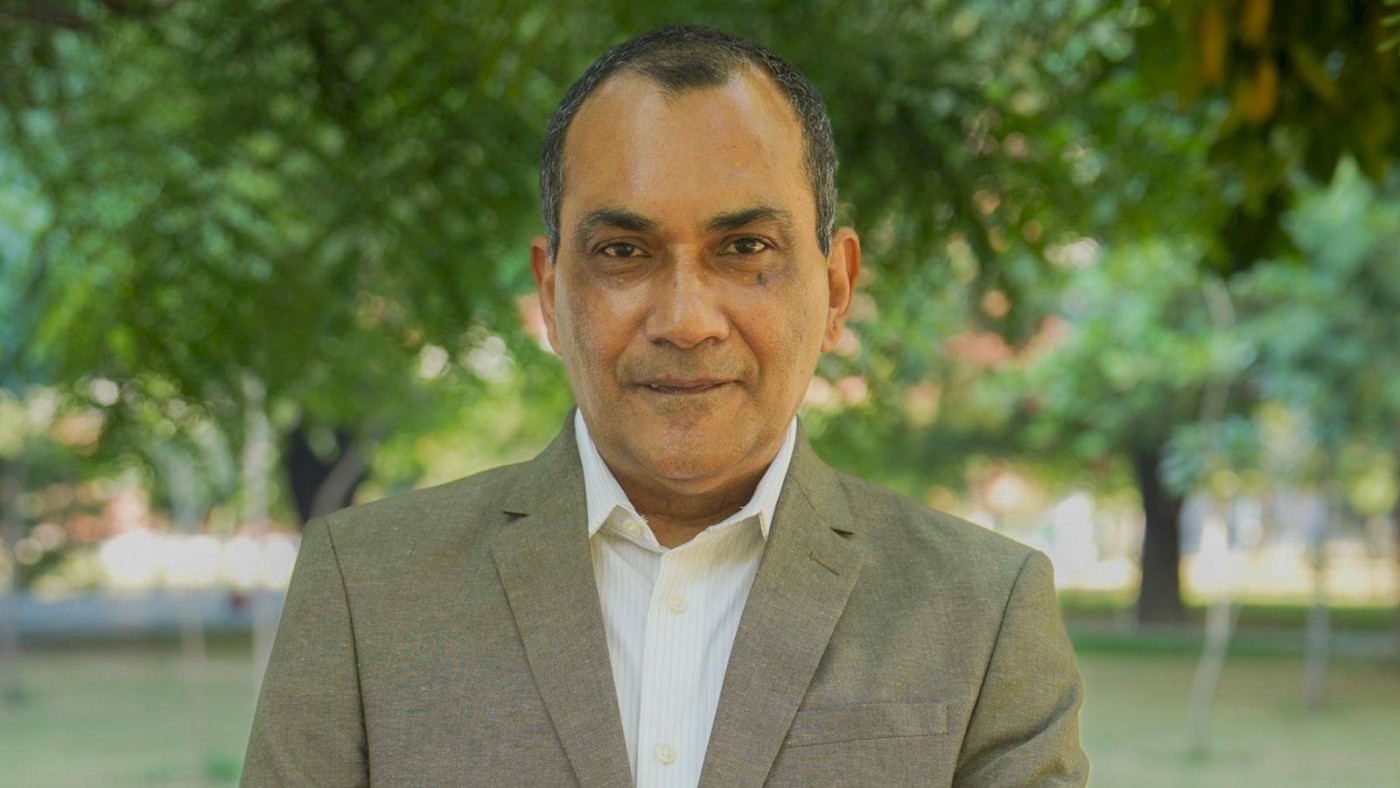
Fallen City: A Double Murder, Political Insanity and Delhi’s Descent from Grace (Aleph, 2024) by Sudeep Chakravarti has been longlisted for the Crossword Book Awards 2025 (Nonfiction) and shortlisted for Best Nonfiction by the Ramnath Goenka Sahitya Samman 2025, instituted by The New Indian Express group.
Some crimes change the course of a city. In August 1978, Delhi was shaken when teenage siblings Sanjay and Geeta Chopra were abducted and murdered, an act of brutality that gripped the nation, provoked protests, and left wounds that still run deep.
In Fallen City, Chakravarti places this horrific crime within a larger canvas, creating a vivid chronicle of the social and political situation of that time, when Delhi was deeply unsettled by political turmoil and communal tensions, a period from 1975 to 1984 he refers to as Delhi’s “dark arc.”
The book is built on painstaking research and rigour. The author revisited archival material, and mapped the incident-geography across Delhi, Mumbai, and Agra. He also interviewed several witnesses from the time of the double murders and their investigative and judicial aftermath that led to the executions of Billa and Ranga - who were convicted of the crime. This depth and forensic approach make the narrative both authoritative and deeply unsettling, not only because of the savagery of the crime but also because Fallen City compels us to reflect on the dark side of society and how so many people - sometimes entire cities - repeatedly set aside rather than fully confront their deepest traumas.
Chakravarti, Executive Director of the Stepwell Centre for Asian Futures at Ahmedabad University, and Chair of the University’s Communication Programme, is a prolific author of acclaimed works of nonfiction, including Red Sun, The Bengalis, Plassey, Highway 39 and The Eastern Gate, several of which have brought him literary honours. With Fallen City, he delivers one of his most powerful and urgent narratives yet.
The nominations at two national literary awards reflect the depth of his inquiry and the continuing relevance of his writing in understanding the complexities of contemporary India.