29 May 2026
Predicting Climatic Risk of Dengue Spread in Urban Landscapes
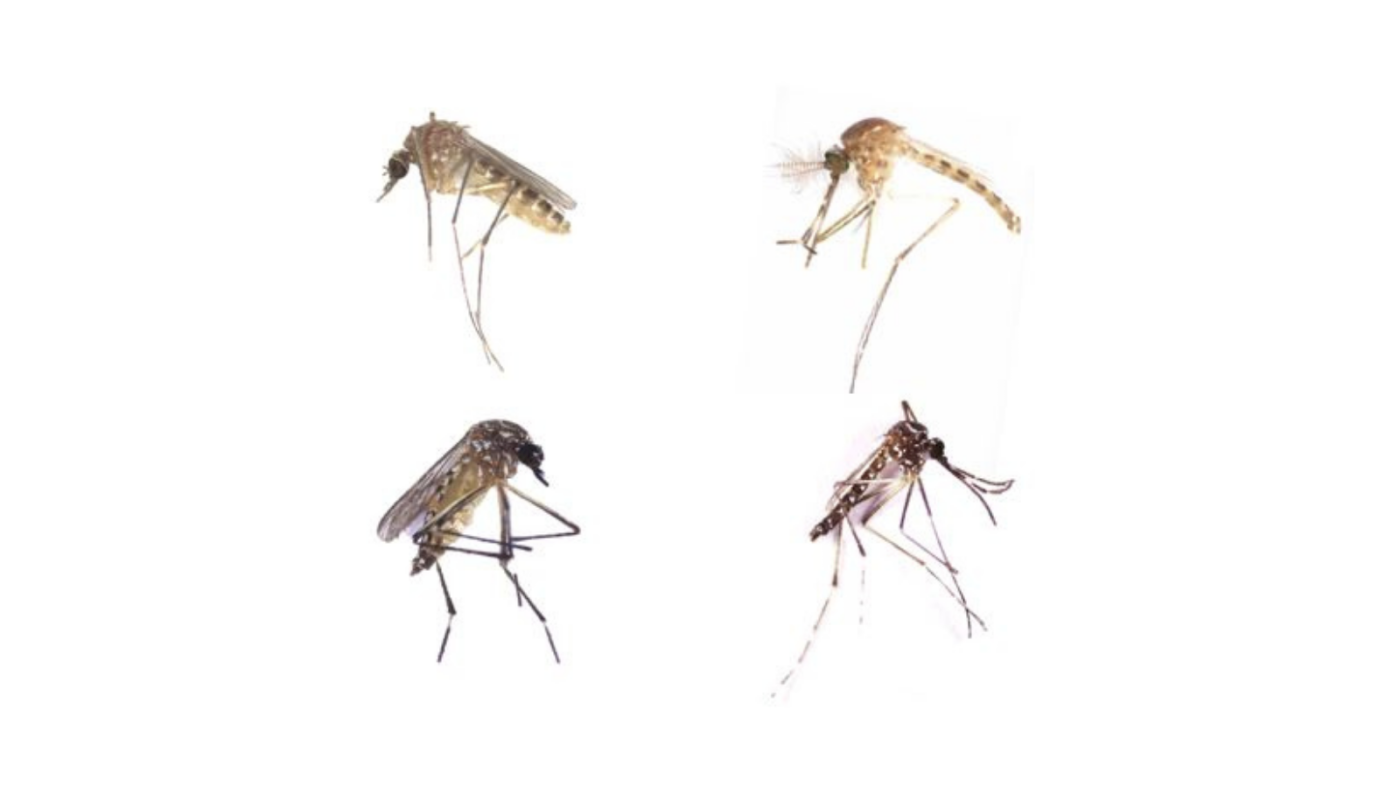
A new research on predicting climatic risk aims to identify the most sensitive windows during peak dengue seasons, enabling city authorities, especially in Ahmedabad and Gandhinagar, to initiate timely preventive measures to disrupt conditions conducive to mosquito breeding. Ahmedabad has emerged as one of Gujarat’s primary dengue hotspots, accounting for a significant share of the state’s reported dengue burden over the last several years.
In 2022, nearly 38 per cent of Gujarat’s dengue cases were reported from Ahmedabad alone, while the city continued to contribute more than one-third of the state’s total cases in 2023 (sources: media reports citing official surveillance data). The recent trends show that is increasingly concentrated in urban environments, where factors such as dense construction, water stagnation, lack of basic infrastructure and poor governance, urban heat, humidity, and changing monsoon patterns are influencing disease transmission.
The growing link between climate variability and mosquito-borne diseases has led researchers to view dengue not merely as a seasonal public health issue, but as an emerging and pressing urban health concern in India. This forms the basis of Ahmedabad University’s research project on the climatic understanding of dengue spread in urban landscapes. Recognising that solutions must extend beyond research-driven interventions to include community-based approaches, the University is advancing interdisciplinary work that brings together climate science, urban studies, and public health.
The research team, which includes professors Aditya Vaishya, Bhargav Adhvaryu, Darshini Mahadevia, and Subhash Rajpurohit from the Amrut Mody School of Management and the School of Arts and Sciences, analysed ten years of temperature, relative humidity, and land surface temperature data for Ahmedabad to identify patterns associated with dengue cases. Initial findings indicate that temperature is a key initiating factor in dengue outbreaks, while humidity variations influence outbreak intensity. They have also identified that dengue cases rise only under specific combinations of temperature and humidity conditions that create favourable environments for mosquito breeding and population growth. The initial findings were then supplanted with field-level data on the abundance of Dengue mosquitoes, Aedes Agyepti, at household level in an informal housing settlement on periphery of east Ahmedabad.
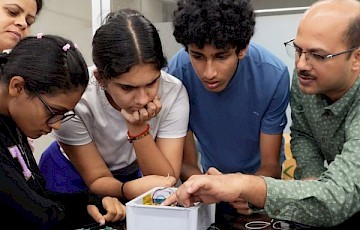
One of the significant innovations emerging from the project is the development of an IoT-enabled mobile device capable of measuring temperature and relative humidity at the micro level. The device can store environmental data locally and export it to a cloud server, enabling researchers to study climatic variations across different neighbourhoods and examine their relationship with dengue incidence.
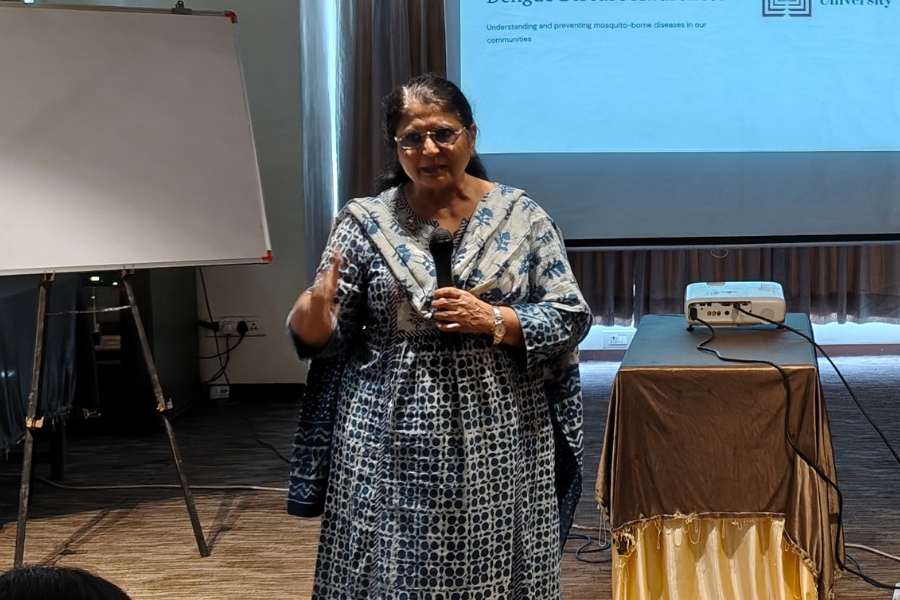
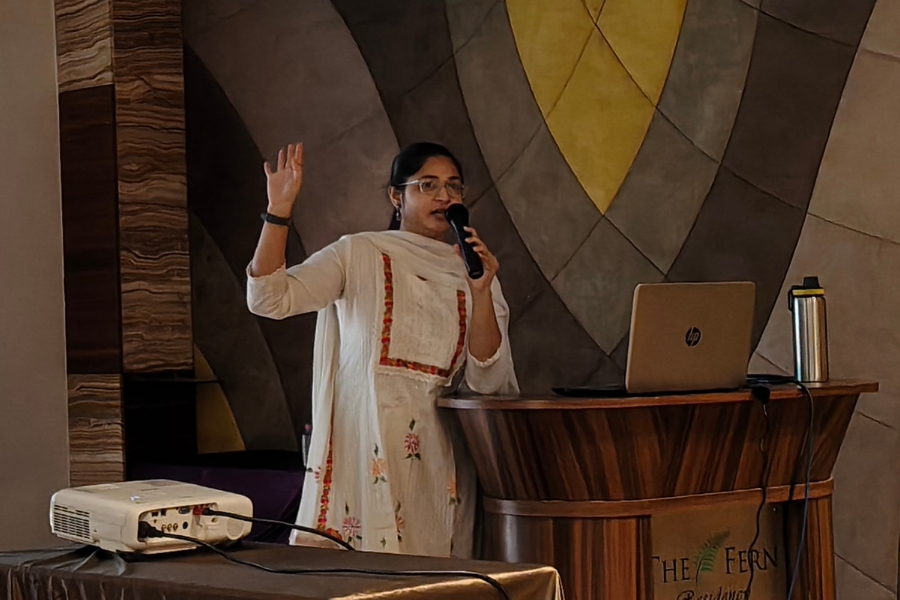
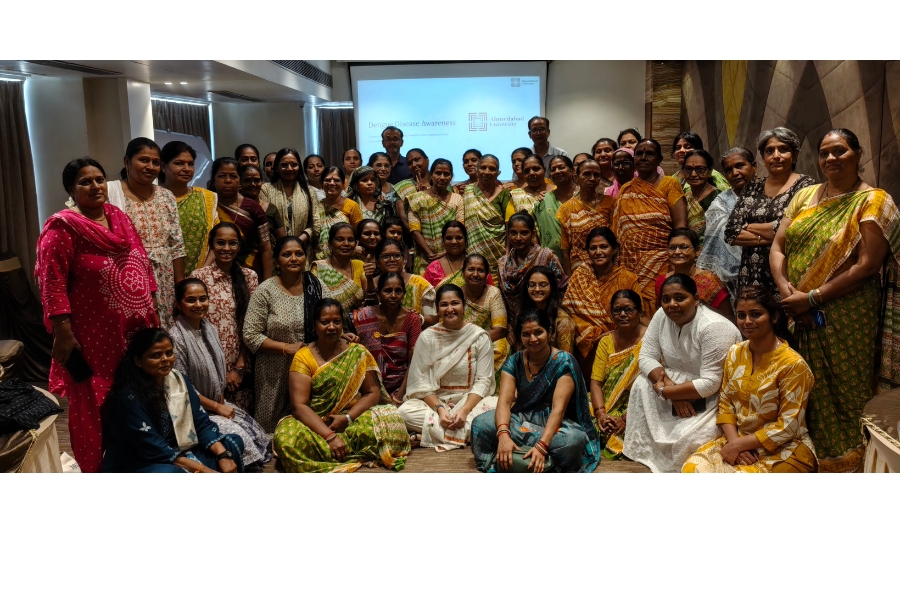
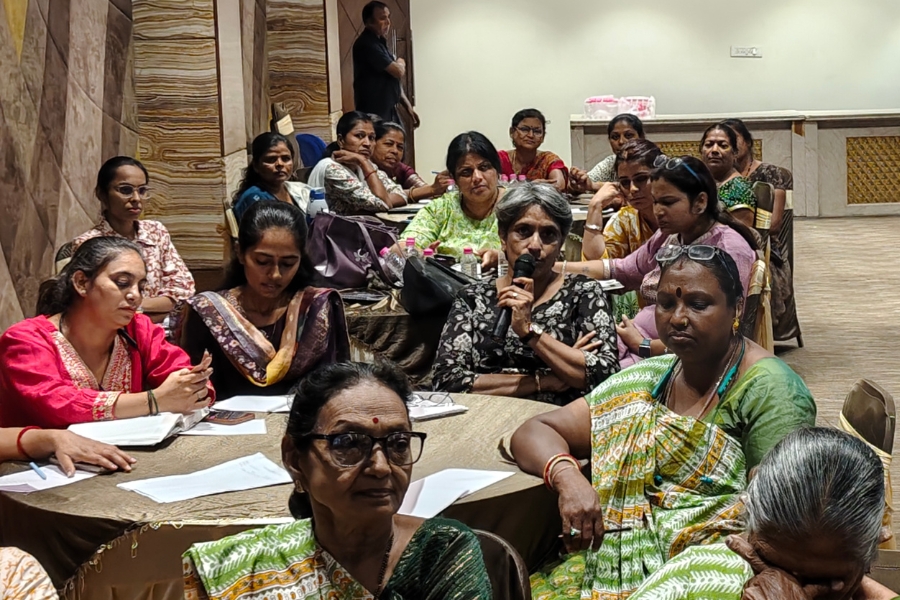
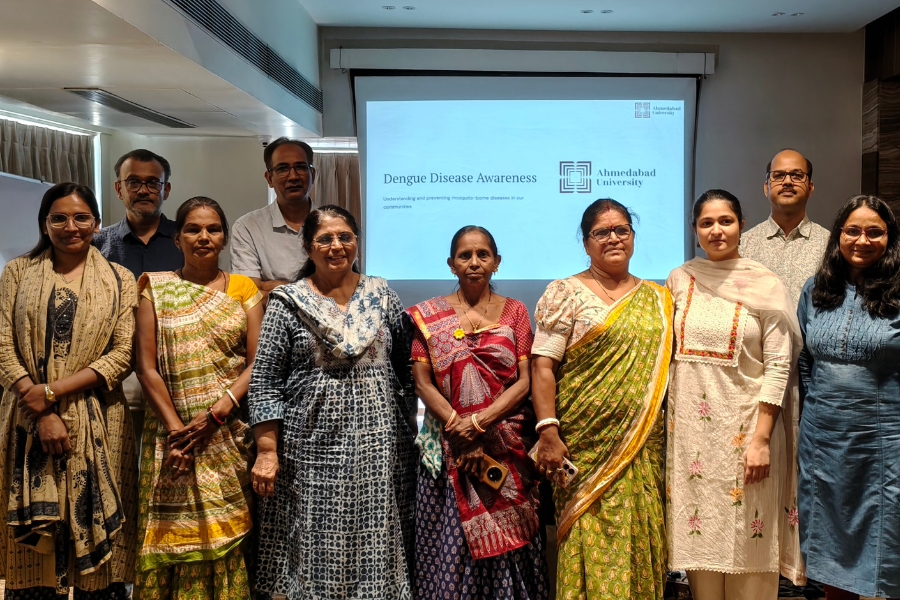
As part of its effort to translate scientific findings into community action, the team recently conducted a Capacity Building Workshop on Dengue for women community leaders associated with Mahila Housing Trust. The workshop focused on raising awareness about dengue prevention and the role of climate factors, such as temperature and humidity, in disease spread, while encouraging grassroots participation in public health preparedness.
The research team also plans to expand the initiative further through similar workshops with students, along with the development of a policy brief and dissemination materials for the University community members. The project has also created opportunities for student learning and interdisciplinary research training. Students across engineering, computer science, biological sciences, and climate research have contributed to different stages of the project, gaining hands-on experience in data analysis, remote sensing, public health research, and climate modelling.
Funded under the University’s Cities, Climate Change and Health initiative, the research aims to bridge the gap between research, policy, and public awareness, ensuring that scientific knowledge informs both institutional action and everyday community practices. The project brings together researchers from multiple disciplines to understand how environmental conditions shape dengue outbreaks in urban areas. Recognising that solutions must extend beyond research-driven interventions to include community-based approaches, Ahmedabad University is advancing interdisciplinary work that connects climate science, urban studies, and public health.