29 September 2025
Who Owns Water? | Aqualogues 2025
It sounds like a simple question but it carries within it debates about law and culture, about equity and access, about whose voices are heard and whose are not.
Every city now faces floods, yet the same rain that is seen as destruction could become a blessing if we learned how to capture and conserve it. Water in India is undervalued and underpriced, which hides its true importance and discourages us from treating it with care. Technology can provide answers, but unless it is joined with social and cultural understanding, the promise remains unfulfilled. Above all, our systems of managing water remain weak, leaving both efficiency and equity out of reach.
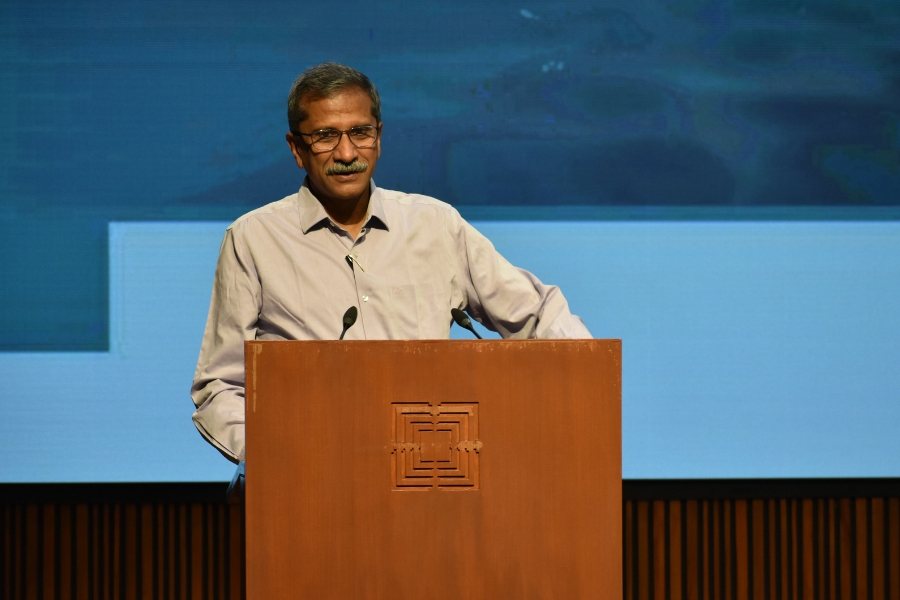
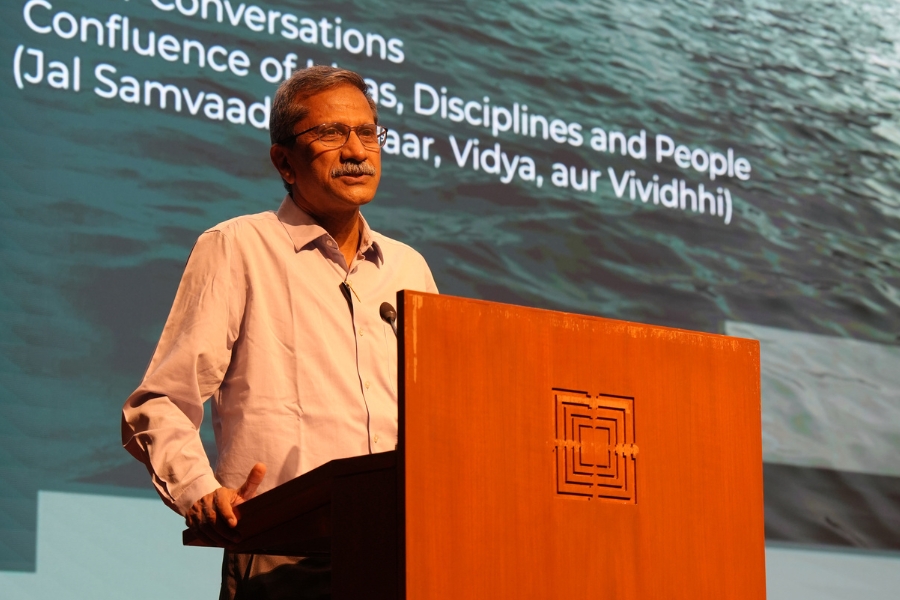
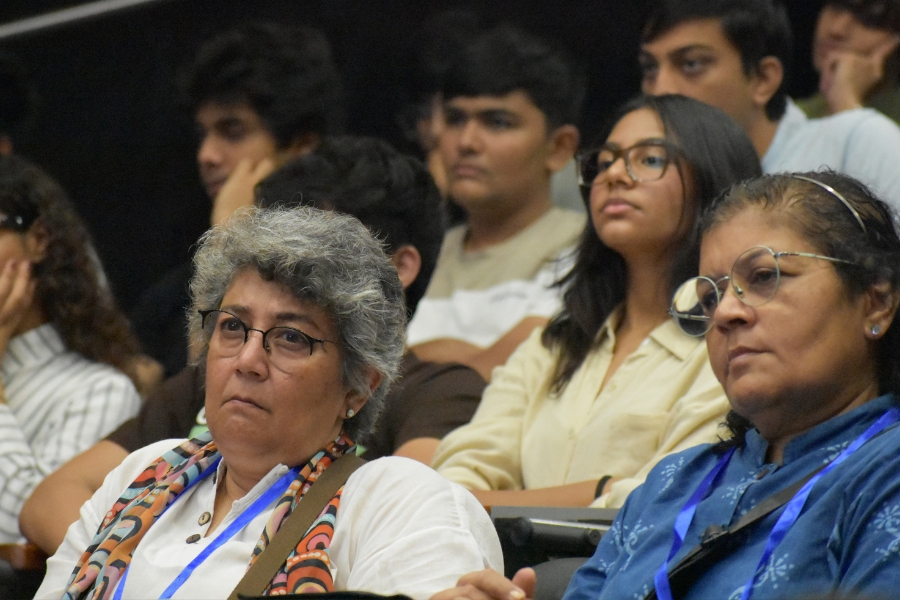
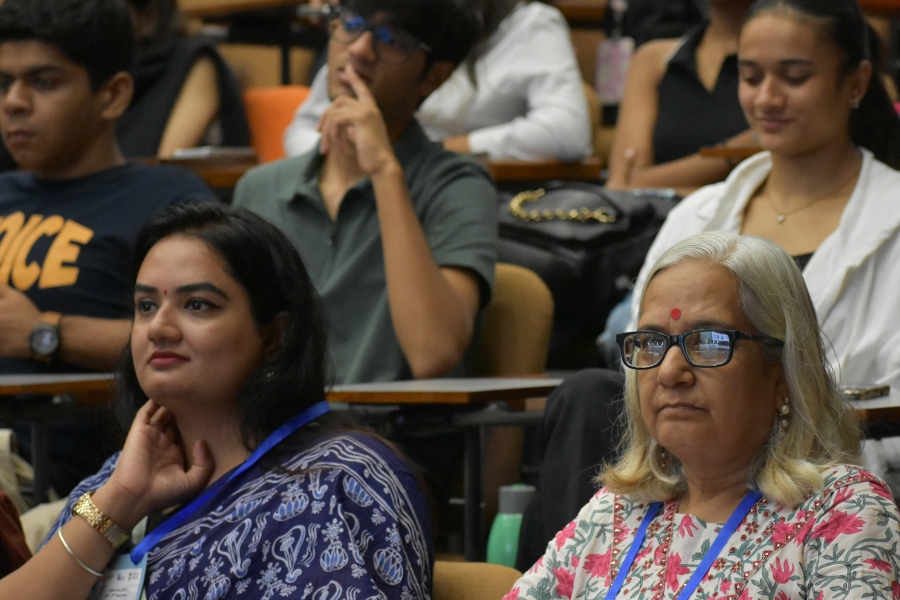
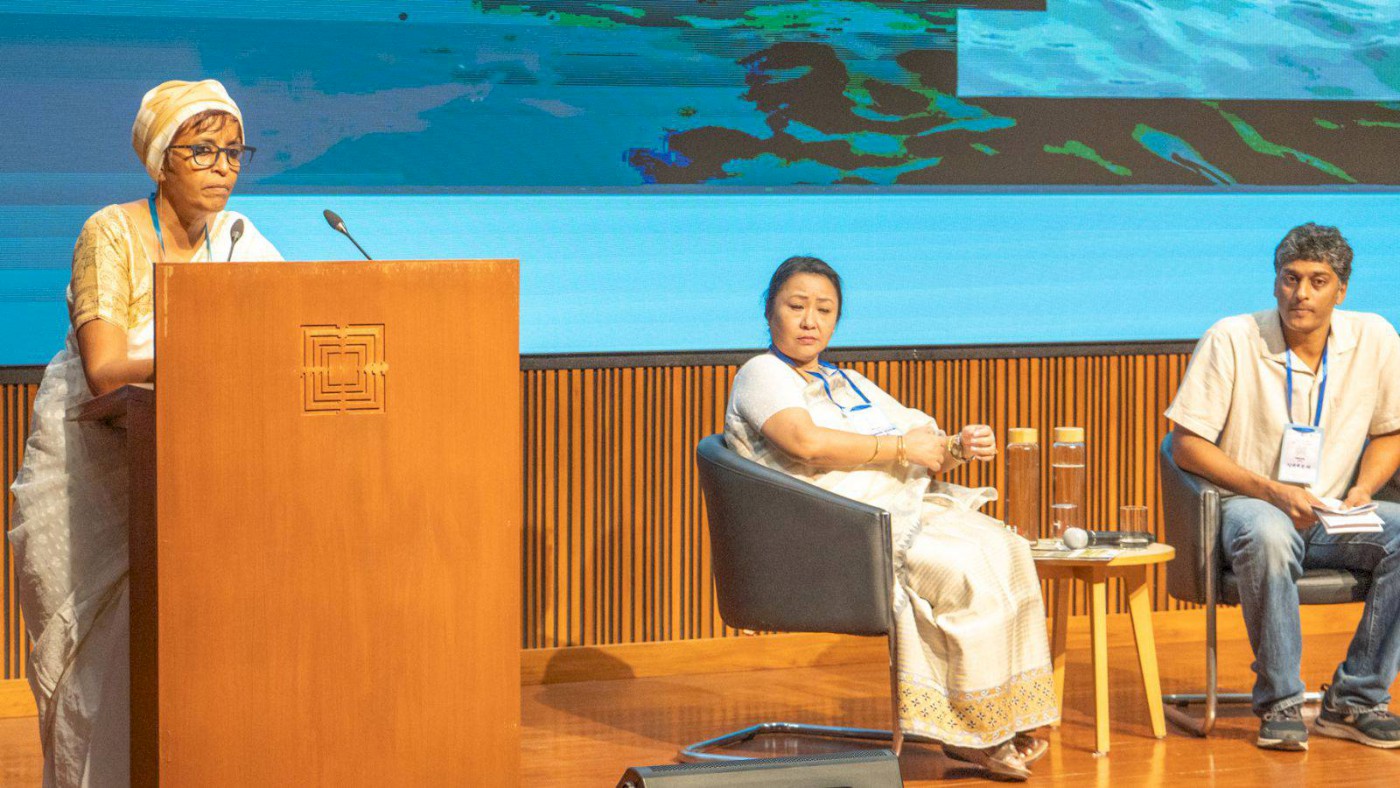
These were among the concerns that Vice Chancellor Professor Pankaj Chandra placed before the audience at Aqualogues 2025. He underscored that water is one of the grand challenges of our time, and since 2015 Ahmedabad University has placed it at the heart of its Foundation Programme. Water is not treated as a narrow subject but as a lens through which students learn to integrate perspectives from law, governance, sociology, technology and culture.
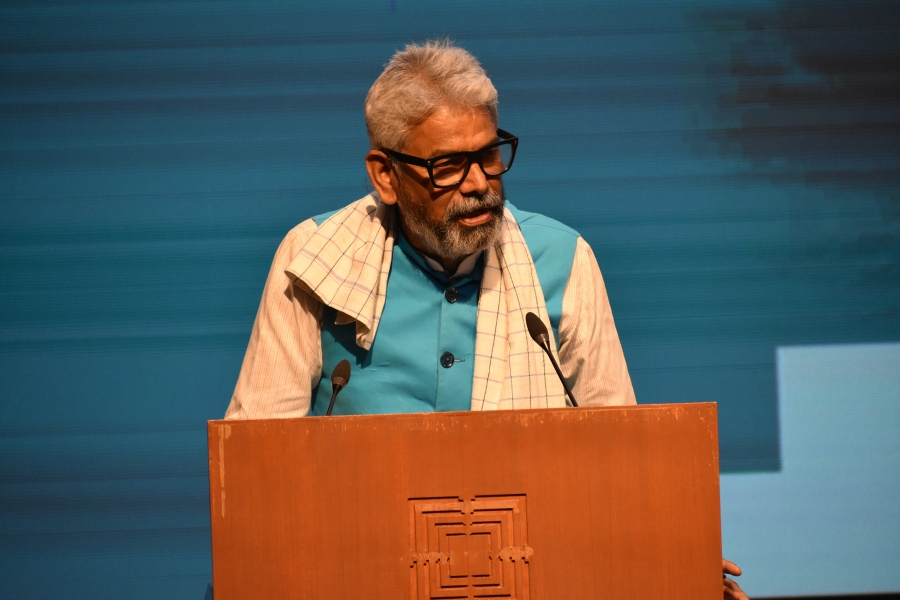
Padma Shri awardee Uma Shankar Pandey, known for his transformative grassroots work for water conservation and often called the Jal Yoddha, opened the festival with an impassioned appeal to the youth. He emphasised that water flows at the centre of all faiths, life and culture. He urged the younger generation to become Jal Yodhas themselves, drawing on heritage, community action and modern knowledge to protect what sustains life.
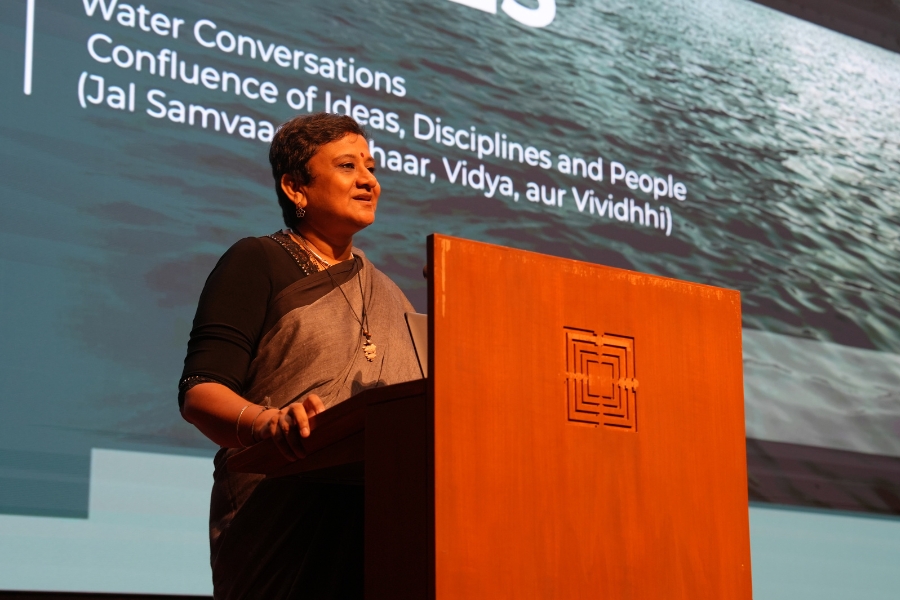
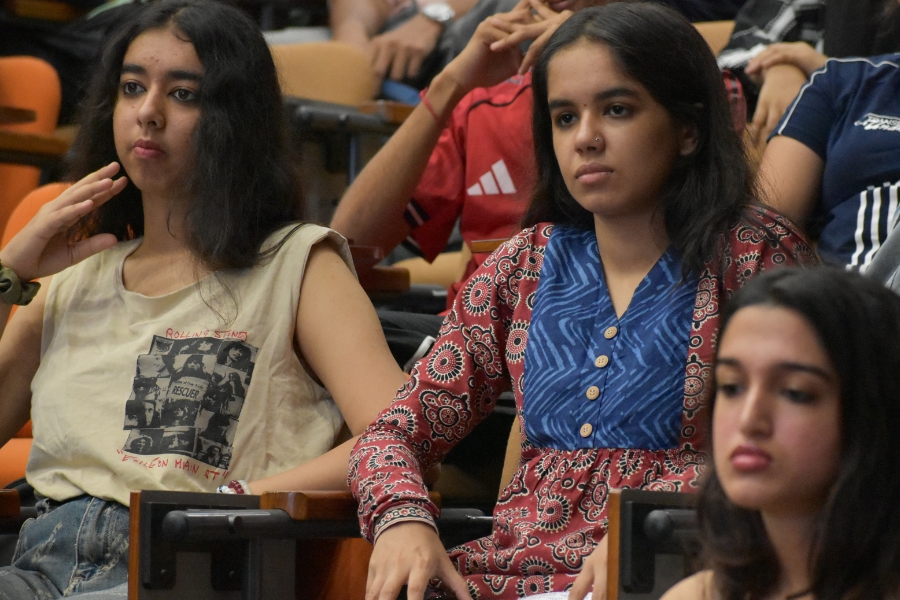
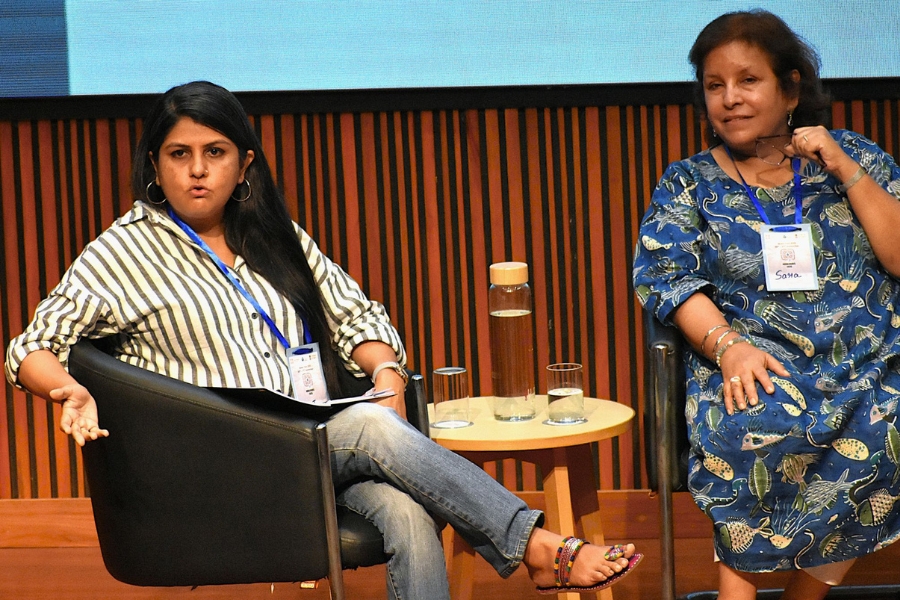
Aqualogues 2025, organised by Ahmedabad University in collaboration with the WforW Foundation and the Ministry of Jal Shakti, was conceived in this spirit. Over two days it brings together students, faculty and a wide community of scholars, practitioners, policymakers, artists and social leaders. It is more than a festival. It is an invitation to join a dialogue about the most pressing issue of our time and to reimagine the futures of water together.