1 May 2023
Shomen Mukherjee’s Study Combines Natural and Social Sciences to Understand Mosquito-Borne Diseases in Cities
Heterogeneous landscapes such as urban environments are an interesting mix of social and environmental features. One of the important consequences of this are human-nature entanglements such as mosquito-borne disease. A mixed methods research by Shomen Mukherjee, Associate Professor, School of Arts and Sciences, titled Socio-ecological dynamics in urban systems: An integrative approach to mosquito-borne disease in Bengaluru, India, explores such interactions and highlights the urban inequities of mosquito-borne diseases.
Co-authored with an international team, the study published in the interdisciplinary research journal, People and Nature, won Dr Michelle Evans, then a visiting PhD student from the University of Georgia, who worked in Professor Mukherjee’s lab, the prestigious Rachel Carson Prize (2022). The Rachel Carson Prize is awarded by the British Ecological Society annually to the best research paper by an early career researcher in the interdisciplinary journal.
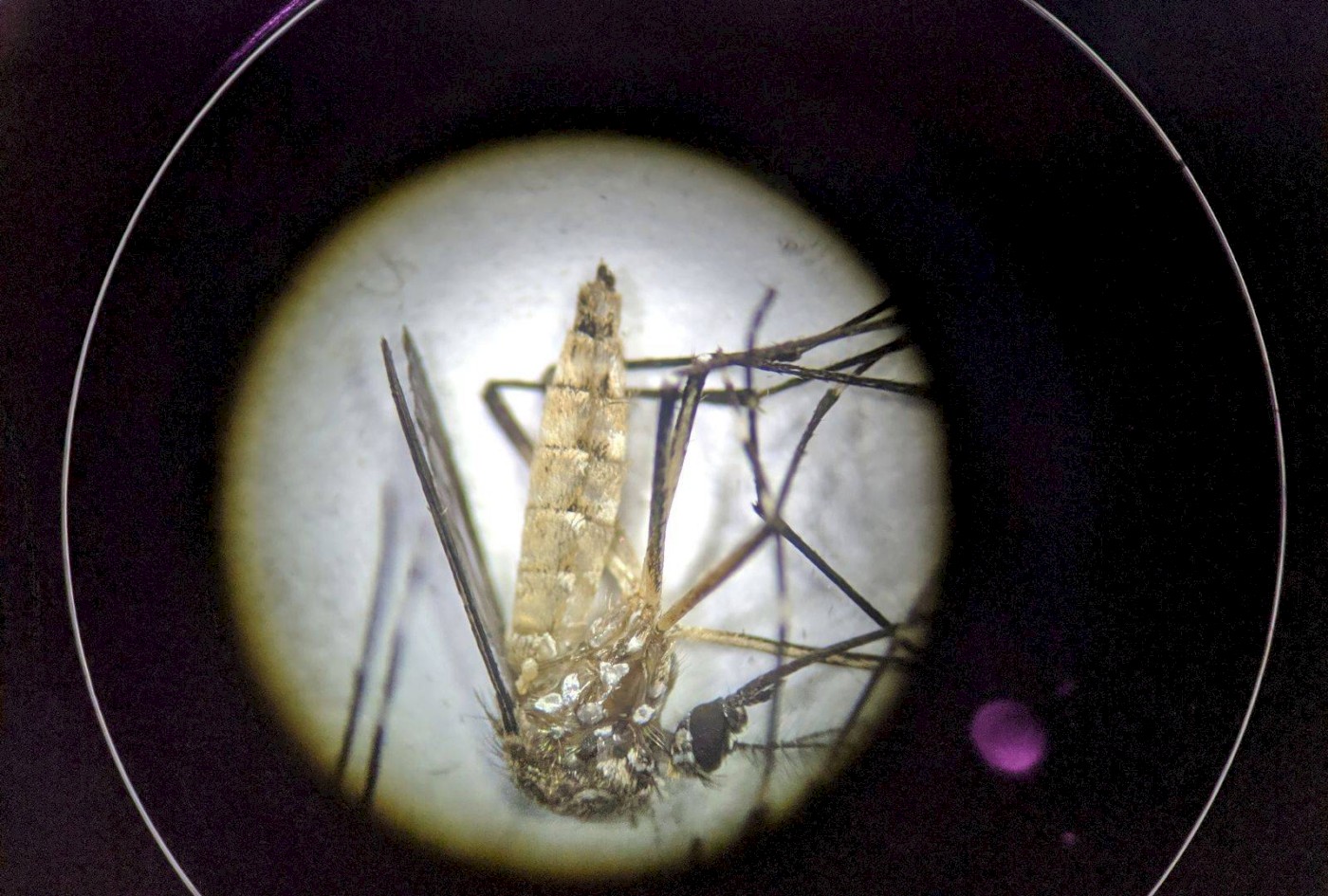
The study combined field sampling of mosquitoes across Bengaluru with in-depth interviews of people, including the creation of sketch maps to identify areas with high mosquito levels to better understand the occurrence of mosquito-borne diseases in urban and peri-urban areas.
Professor Mukherjee, a community and disease ecologist, applies similar approaches to mosquito and other vector-borne diseases in urban and rural parts of Gujarat. He says, “It is easy to forget that mosquitoes are also pollinators, like bees; in fact, most people are unaware of this role of mosquitoes. In our Bangalore study, we studied mosquitoes along a rural to urban gradient, and identified that there are about 19 species of mosquitoes in rural areas of which only a few can transmit diseases to humans. However, in the urban environment, we find a simpler community (only about 3-4 species), and these are the problematic ones.”
The study highlights how biodiversity can potentially play a role in vector dynamics. Within rural areas, the disease-causing mosquito species are kept in check since they have to compete for food and breeding sites with other mosquito species. In the city, however, there is a sharp decline in mosquito diversity, a consequence of unique microhabitats and lack of predators. He says, “With wilder natural spaces being damaged under increasing urbanisation, I am not surprised to see mosquito-borne diseases in cities are on the rise.”
The work underscores the socio-ecological interface of mosquito-borne disease. Professor Mukherjee says, “Our study brings out how people from different socio-economic backgrounds have varied vulnerabilities and need to navigate the problem differently. Take, for instance, people from upper-class households living in gated colonies. For them, the outdoors are primarily for leisure or exercise, which allows them to change their schedule or completely avoid these areas, if required. Other households, especially those without indoor plumbing, use outdoor spaces for everyday domestic tasks and their ability to shift this schedule or access another space for this purpose is limited.”
This and their other recent study, The mismatch of narratives and local ecologies in the everyday governance of water access and mosquito control in an urbanizing community, suggests the importance of considering both social and ecological factors when deciding on how to control mosquitoes, and to achieve more equitable disease outcomes. Key steps, such as reducing spatial inequalities in urban governance of water infrastructure (e.g. reliable water supply, good household water storage tanks) can alter people’s everyday access to water and vector-borne disease risk.