
10 July 2026
Rethinking Species Identification Through Integrative Taxonomy
Only about 1.24 million of the Earth’s estimated 8.7 million eukaryotic species have been formally described, and even among these, many have later been found to be misidentified or described under different names. As biodiversity research advances, how can we identify and classify species more accurately?
At the Animal Taxonomy Summit 2026, Professor Subhash Rajpurohit from the School of Arts and Sciences explored this through three fundamental questions:
- Why does classical taxonomy have certain limitations?
- How did genomics promise a solution but introduce its own blind spots?
- How can an integrative framework address both?
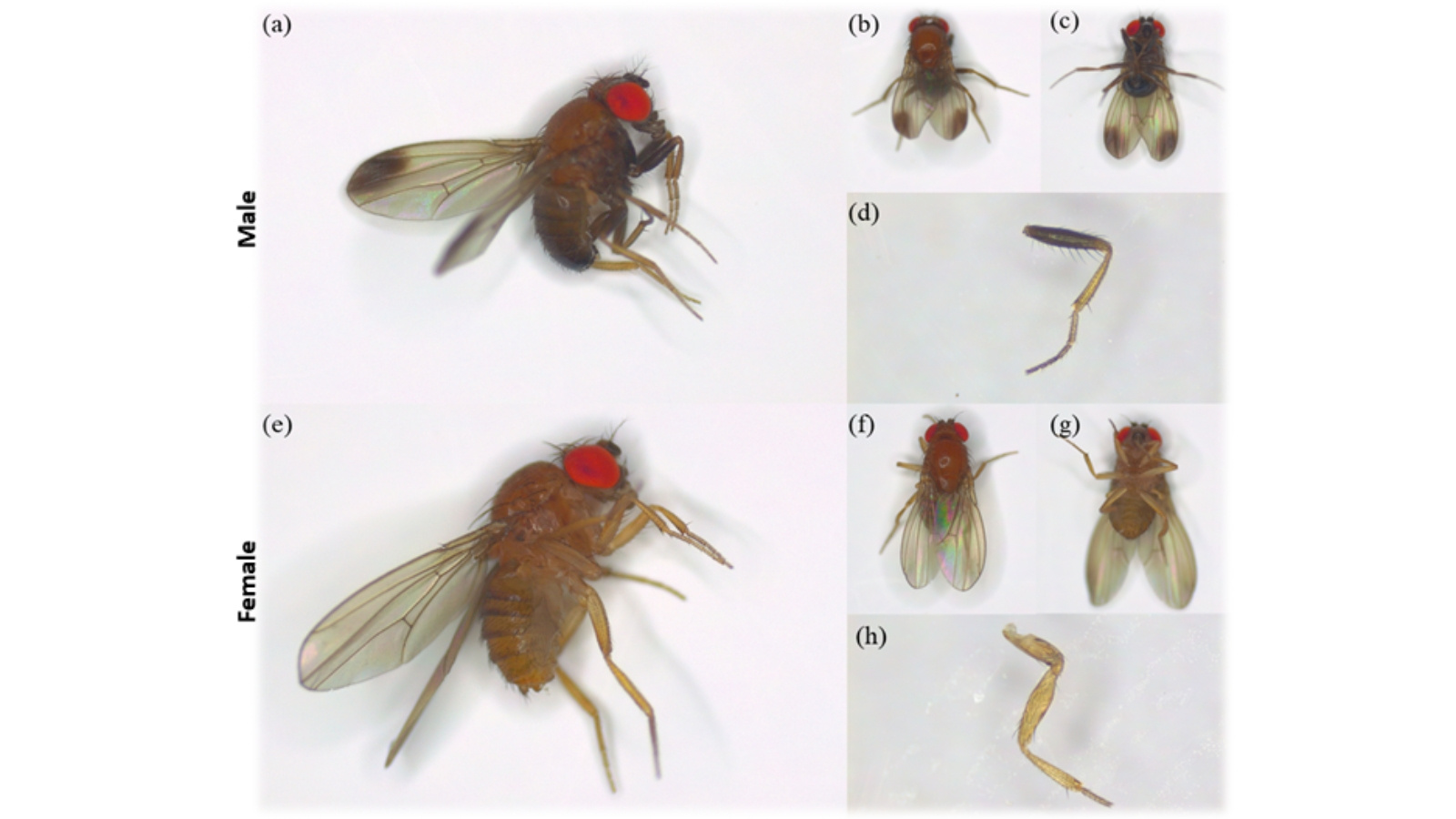
He explained that classical taxonomy, while essential, can struggle to distinguish closely related species based on morphology alone. Genomic approaches, meanwhile, can generate vast amounts of data but may not fully capture a species’ ecological, morphological, and behavioural context.
Professor Rajpurohit proposed an integrative approach that brings together morphology, genomics, ecology, behaviour, and evolutionary history, treating each as complementary evidence rather than placing one above another. This total-evidence approach can provide a more accurate understanding of species and help address the complexities of documenting and conserving biodiversity.
Professor Rajpurohit was invited to deliver a talk on “Integrative Taxonomy – Morphology and Genomics” as part of the 111th Foundation Day celebrations of the Zoological Survey of India. His talk highlighted the growing importance of interdisciplinary approaches in addressing some of biology’s enduring challenges.
The fourth edition of the Animal Taxonomy Summit (ATS) was hosted by the Zoological Survey of India (ZSI) under the Ministry of Environment, Forest and Climate Change (MoEFCC), Government of India. It brought together more than 500 scientific experts to discuss approaches to biodiversity research and conservation in India. By bringing together traditional field biology with modern techniques such as genomic sequencing, environmental DNA (eDNA), and digital mapping, the summit explored new approaches to species discovery, identification, and conservation.