28 September 2026
Public Health, Served Safe: Mr Tukaram Mundhe Speaks at Ahmedabad University
At Ahmedabad University, public health is not confined to one lecture hall. The Bagchi School of Public Health works on the idea that health is shaped well beyond hospitals by what people eat, the information they receive, and the rules that protect them. Its mission is to improve public health locally, nationally and globally, built on three pillars: action, education, and research.
That thinking shows up across the School’s work. Its courses cover nutrition, obesity, food security, food safety, and the commercial determinants of health. Its faculty work on disaster preparedness and culinary skills. Ahmedabad University’s cafeteria follows ICMR guidelines, so the principles taught in class are also practised on campus. Through the Sahyog Centre for Promoting Health, set up with the Self-Employed Women’s Association (SEWA), the School brings public health expertise to communities that need it, focusing on no-cost, low-cost, and cost-saving ways to improve health.
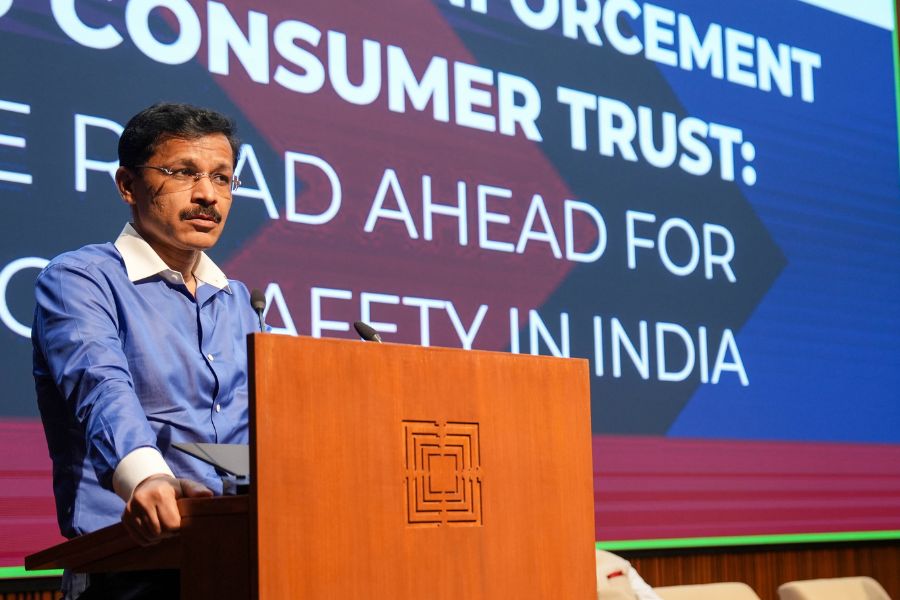
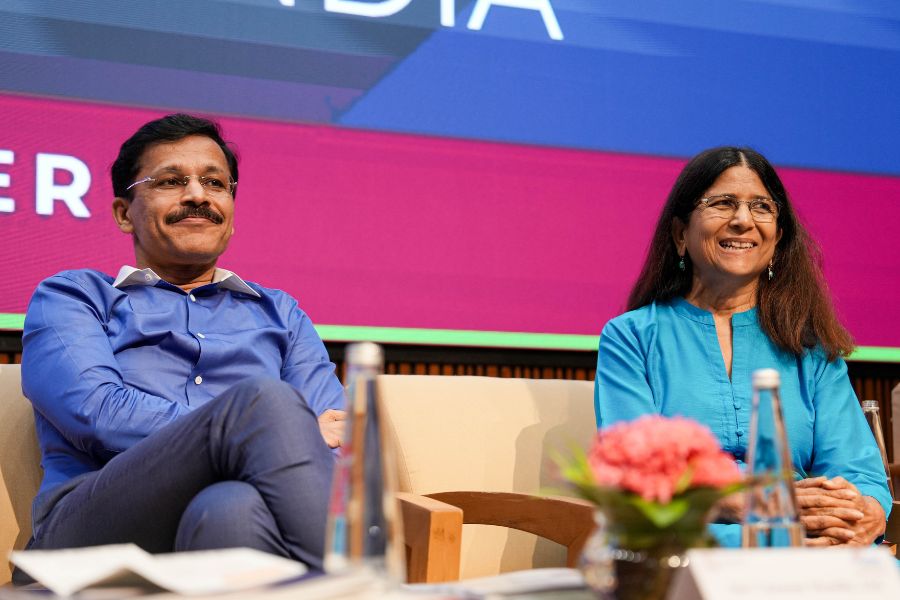
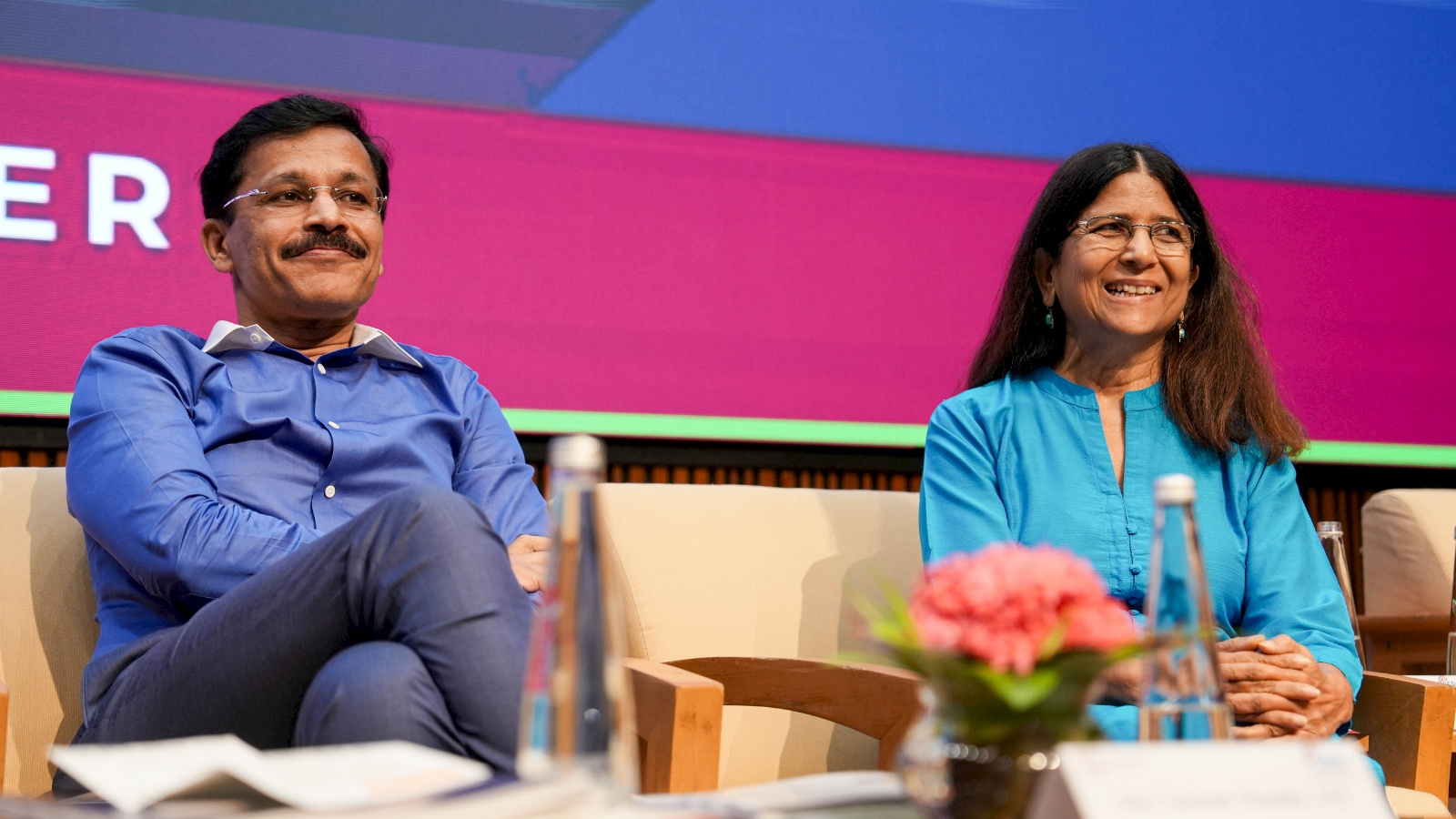
Shri Tukaram Mundhe, IAS, Commissioner, Food and Drug Administration (FDA), Maharashtra, was at the University on September 26 as Chief Guest for the 48th Foundation Day of the Consumer Education and Research Centre (CERC), hosted in partnership with the Bagchi School of Public Health at the GICT Auditorium. The theme was “Regulatory Enforcement and Consumer Trust: The Road Ahead for Food Safety in India.”
Shri Mundhe’s argument echoed the School’s own. Public health, he said, must stay at the centre of regulation. “In the guise of ease of doing business, we cannot lose sight of the humans and public health. We cannot compromise on that,” he said. He called for regulation that keeps pace with e-commerce, dark stores and cloud kitchens, and that makes better use of technology.
He also pointed to how India’s disease burden has changed. “At the time of Independence, non-communicable diseases were to the tune of around 25 to 30 per cent, and communicable diseases were to the tune of 65 per cent. Today, we have reversed the ratio. The basic reason for this is what we eat, what we consume,” he said.
The way forward, he said, is shared responsibility: “We need to move to an ecosystem where compliance with regulation by business operators is easier, and non-compliance is costlier.” He described a shift from a vicious cycle, where non-compliance pays and penalties are negligible, to a virtuous one built on trust among consumers, businesses, regulators, and lawmakers. He urged individuals, families, and businesses to become more self-regulating.
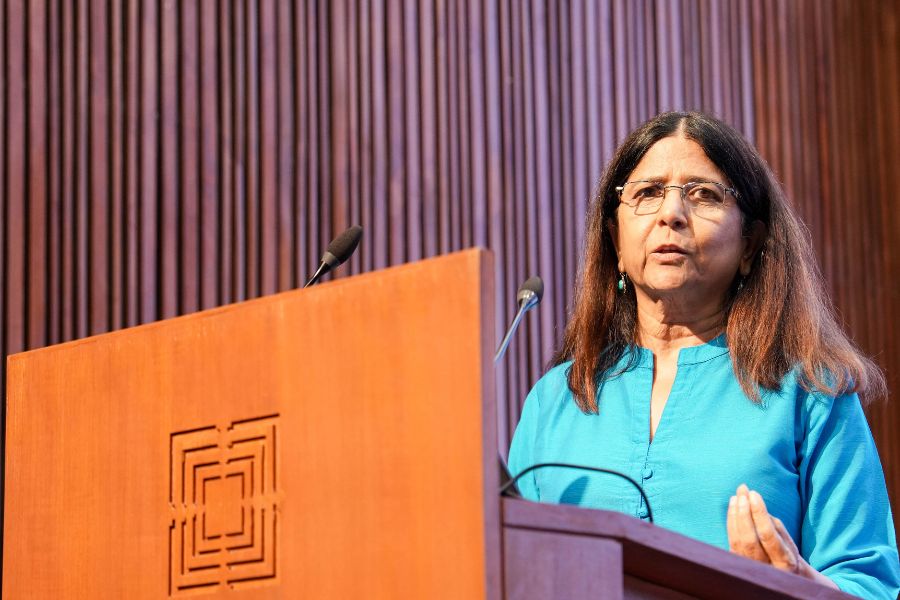
For the Bagchi School of Public Health, that call to action matched its own work. Dean Kaumudi Joshipura said Shri Mundhe’s talk focused on the critical issue of food safety. She noted that the University’s interdisciplinary approach, together with the School’s work in nutrition, food security, disaster preparedness, culinary skills and the commercial determinants of health, “aligns closely with the work of Shri Tukaram Mundhe and CERC.”
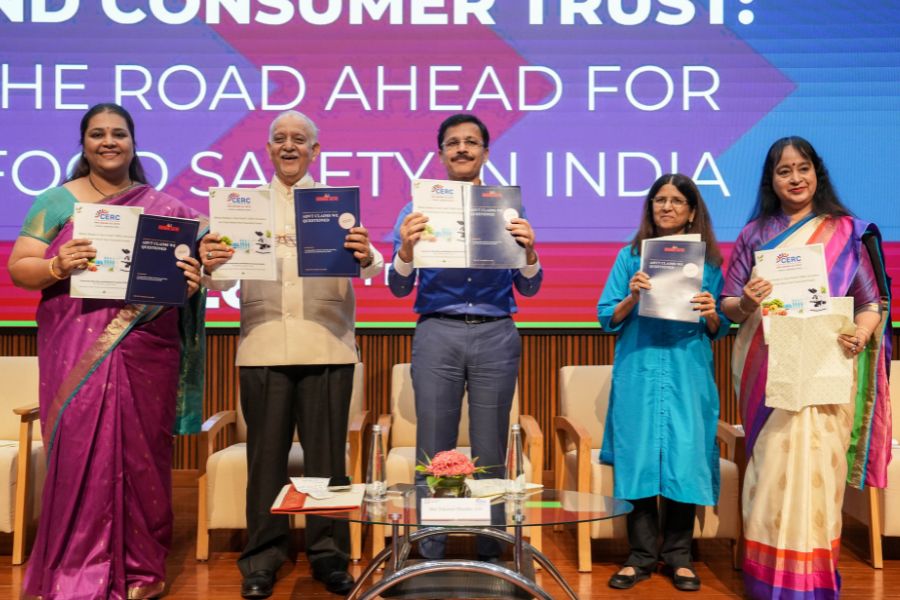
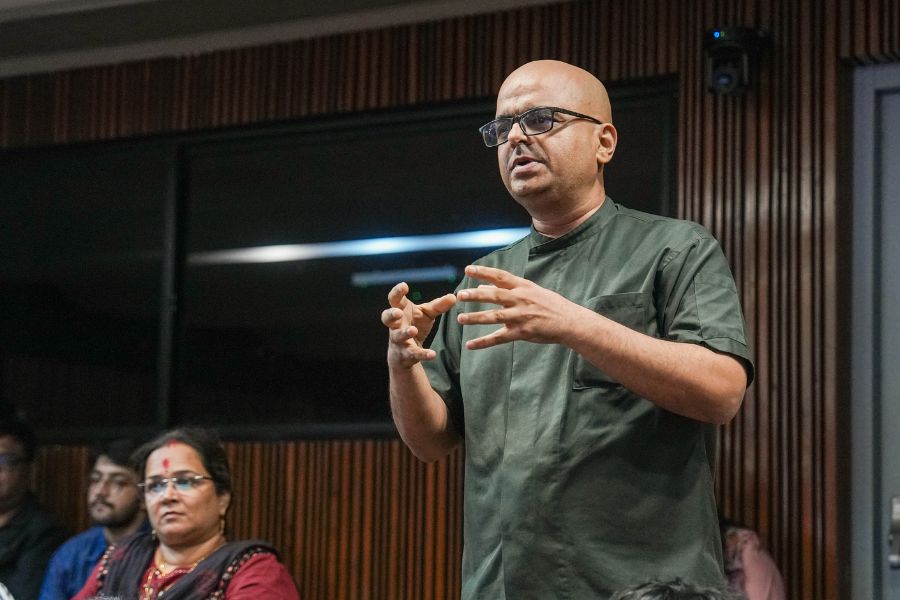
The programme also gave CERC a platform to share its work for the year. CERC Chairman Dr Sunil Parekh reported 107 disputes mediated, nearly INR 13.4 lakh in refunds to consumers and the launch of a WhatsApp chatbot for grievances. CERC released two books: What’s Really in Your Food? CERC Testing Reveals and Advertisements Claims Questioned by CERC. An interactive question-and-answer session with the Chief Guest followed.
What we eat is a public health question. At Ahmedabad University, the Bagchi School of Public Health will keep asking it, in the classroom, on campus, and with the communities it serves.