20 January 2026
Global Recognition for a Pan-India Study on Public Health
National survey data show a rapid rise in overweight and obesity among adolescents in India. Between the last two rounds of the National Family Health Survey (NFHS), overweight and obesity increased from 2.4 to 5.4 per cent in adolescent girls and from 1.7 to 6.6 per cent in adolescent boys, reflecting a growing public health challenge linked to lifestyle and environmental factors.
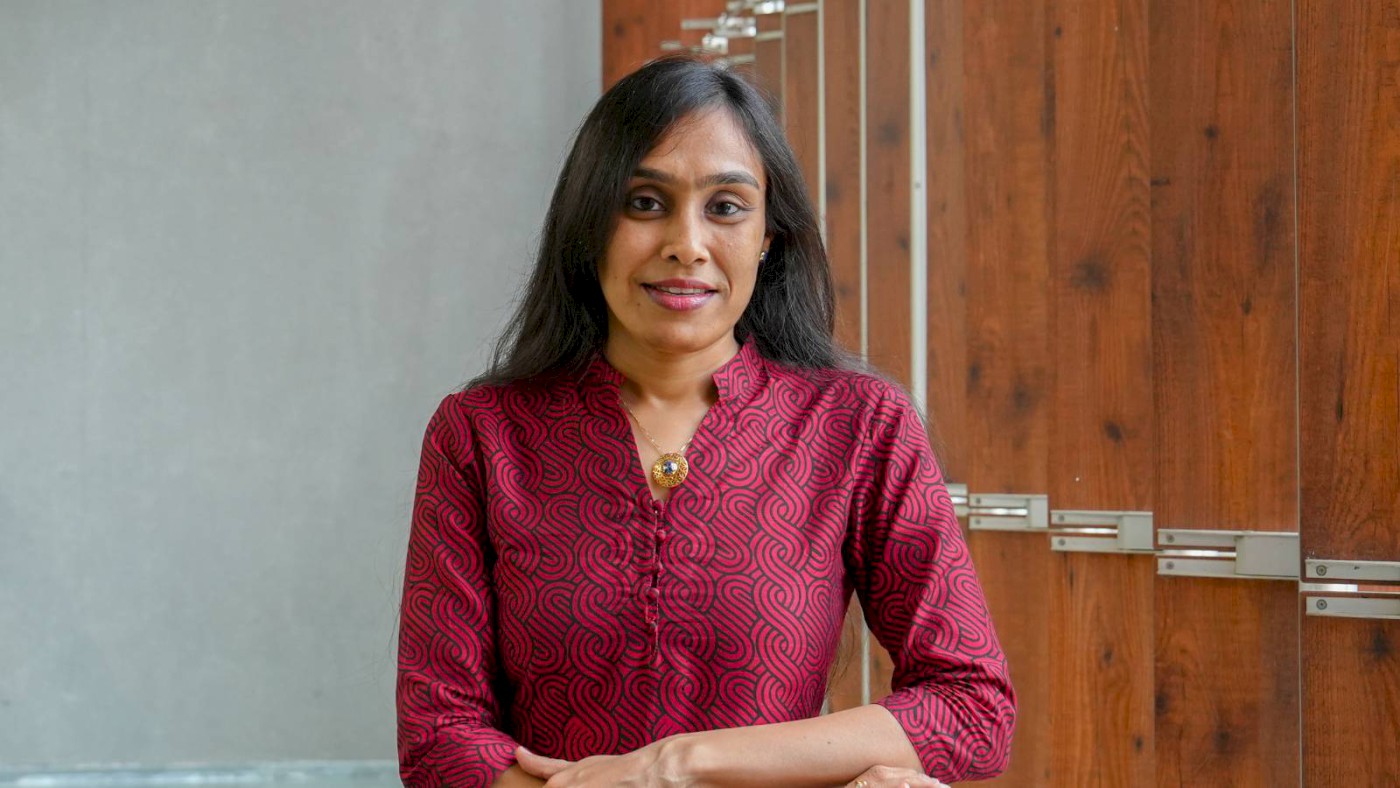
Amidst the rising prevalence of overweight and obesity, along with the growing burden of non-communicable diseases among urban Indian youth, Ahmedabad University's Bagchi School of Public Health Professor Neha Rathi is set to conduct a timely and critical study titled "Young adults' perceptions of a healthy lifestyle and its associated factors: A Pan-India qualitative inquiry."
Recognising the significance of this study, the International Society of Behavioural Nutrition and Physical Activity (ISBNPA) awarded Professor Rathi with the Pioneer Research Scholarship 2025–2026. Notably, this marks the fourth consecutive year that Professor Rathi has received this prestigious international scholarship. "As one of the first multicentre qualitative investigations of its kind in the Indian context, the research seeks to generate original insights into healthy lifestyle behaviours and the complex social, cultural, and environmental factors that shape them," said Professor Rathi.
Through the ISBNPA Pioneer Scholarship, Professor Rathi aims to examine how young adults in urban India perceive healthy lifestyles and identify the factors that influence the lifestyle behaviours. Using semi-structured qualitative interviews, the study will generate a nuanced, ground-level understanding of everyday choices, constraints, and motivations related to health.
The first-hand insights emerging from this research are expected to inform policymakers and public health practitioners in shaping evidence-based policies, such as taxation of sugar-sweetened beverages and subsidies for fresh produce, as well as context-specific behavioural interventions. Together, these efforts can help address existing barriers, strengthen enabling factors, and ultimately slow the rising burden of non-communicable diseases among urban Indian young adults.