11 May 2023
For Whom the Bells Toll: IPCC’s Synthesis Report Underscores the Need for Inclusive and Equitable Climate Action
In 2018, the Intergovernmental Panel on Climate Change (IPCC) highlighted the unprecedented scale of the challenge required to keep warming to 1.5°C. Five years later, that challenge has become even more significant due to a continued increase in greenhouse gas emissions. The pace and scale of what has been done so far, and current plans, are insufficient to tackle climate change. Over a century of burning fossil fuels and unequal and unsustainable energy and land use has led to global warming of 1.1°C above pre-industrial levels. This has resulted in more frequent and more intense extreme weather events that have caused increasingly dangerous impacts on nature and people in every region of the world. More intense heat waves, heavier rainfall, and other weather extremes further increase risks for human health and ecosystems.
IPCC’s recently released culminating report, the Synthesis Report, underscored the need for immediate inclusive and equitable climate action, for, as John Donne emphatically wrote, the bells toll for thee indeed.
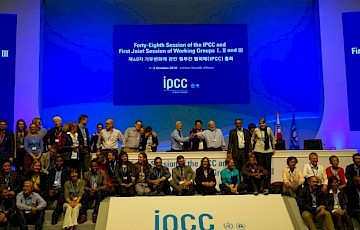
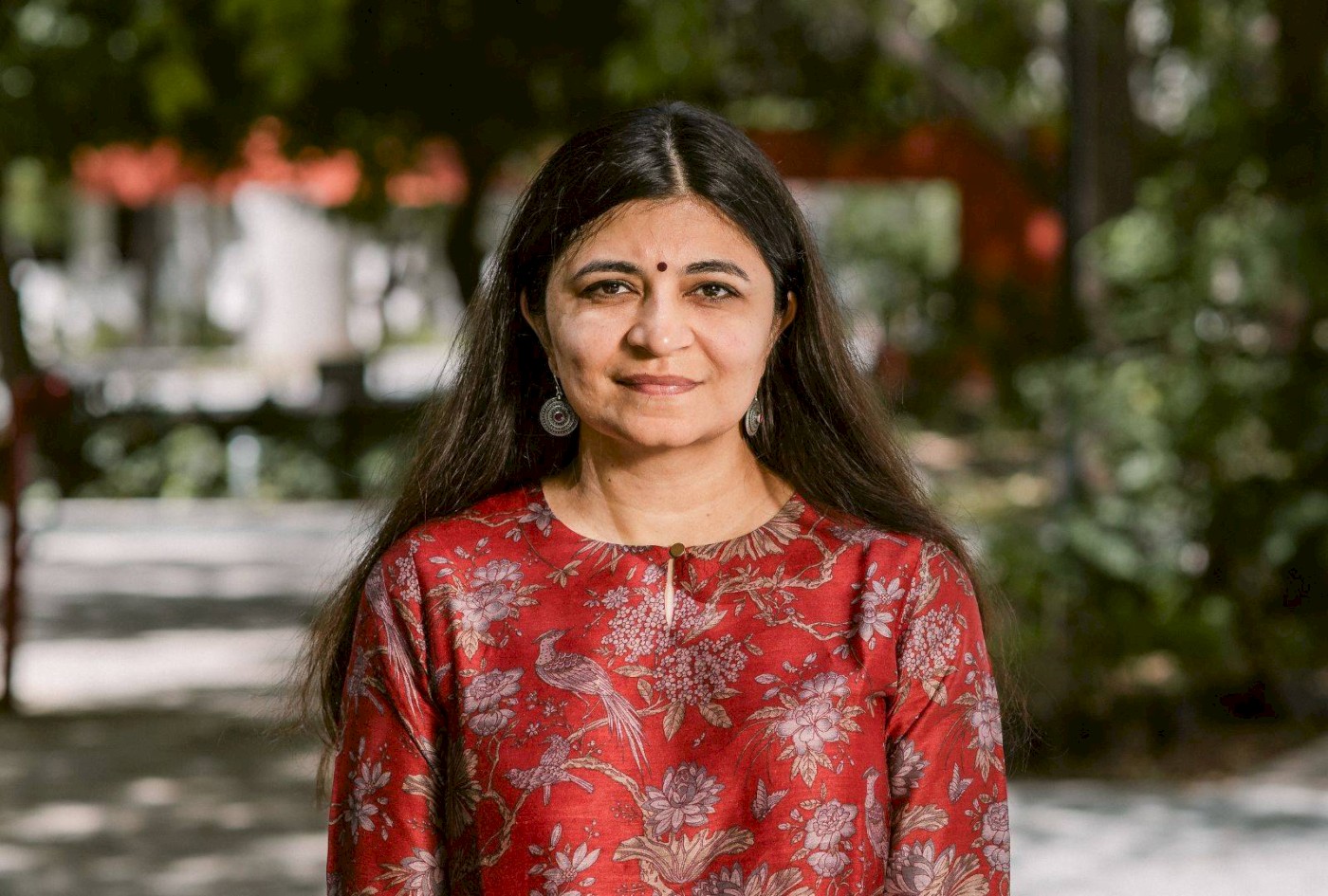
Ahmedabad University’s Priyadarshi Shukla, Chair, Global Centre for Environment and Energy (GCEE), and Working Group III Co-Chair of IPCC, and Minal Pathak, Associate Professor, GCEE, and Senior Scientist of the Working Group III, are among the select authors of the Synthesis Report which summarised findings by stating that there are multiple, feasible, and effective options to reduce greenhouse gas (GHG) emissions and adapt to human-caused climate change, and they are available now. IPCC Chair Hoesung Lee said, “Mainstreaming effective and equitable climate action will not only reduce losses and damages for nature and people, but it will also provide wider benefits. This Synthesis Report underscores the urgency of taking more ambitious action and shows that, if we act now, we can still secure a liveable, sustainable future for all.”
Losses and damages in sharp focus
The Report brought into sharp focus the losses and damages the world is experiencing and will continue to, hitting the most vulnerable people and ecosystems especially hard. In a related news feature on the report in Mint Lounge, Professor Pathak said that the Synthesis Report was critical not just because it marked the culmination of a set of groundbreaking science reports dating back to 2018 but also because it was aimed squarely at policymakers. She said, “Between 2018 and now, we haven’t really made the progress that we should have. And that’s why this report becomes significant. In order to reach the 1.5-degree goal, deep and ambitious reductions are necessary. Five years down the line, we are still saying the same thing. I strongly feel that this Report should be taken very seriously by governments at all levels.” She added that it was important to keep repeating the scientific warnings until meaningful action occurs.
Professor Pathak called for country-specific, or even region-specific, synthesis reports, especially for a country like India. “We don’t have a dynamic and ongoing process on risk assessment, or on climate science, or on greenhouse gas inventories,” she said, adding that such reports would also facilitate cross-learning between states, cities, and regions.
The Synthesis Report stated that the solution lies in climate-resilient development, which involves integrating measures to adapt to climate change with actions to reduce or avoid greenhouse gas emissions in ways that provide more comprehensive benefits. These would include access to clean energy and technologies that would lead to improved health, especially for women and children; low-carbon electrification, walking, cycling, and public transport enhance air quality, improve health, employment opportunities, and deliver equity. For these choices to be effective, they must be rooted in our diverse values, worldviews, and scientific, indigenous, and local knowledge.
Inclusive and Equitable Climate Action
The Report demonstrated that there was sufficient global capital to rapidly reduce greenhouse gas emissions if existing barriers were reduced. It also stated that increasing finance for climate investments was vital to achieving global climate goals. Governments were critical in reducing these barriers through public funding and clear signals to investors. In a nutshell, political commitment, coordinated policies, international cooperation, ecosystem stewardship, and inclusive governance were all important for effective and equitable climate action.
In an article for The India Forum, Professor Pathak and Shaurya Patel, Research Associate at GCEE, wrote, “Climate change has had an economic impact on climate-exposed sectors such as agriculture, forestry, fisheries, energy, and tourism. Livelihoods have been affected through, for example, destruction of homes and infrastructure, and loss of income. Roughly half the world’s population now experiences water scarcity at some point each year, partly due to climate change. The limits of our ability to adapt to the changing climate have already been reached in some ecosystems and regions. Vulnerable communities that have historically contributed the least to climate change are disproportionately affected. The development challenges now causing high vulnerability are influenced by historical and ongoing patterns of inequity, such as colonialism, especially for many indigenous peoples and local communities. There is increased evidence of what is called maladaptation or actions that are unsustainable. For example, farmers using high-cost irrigation in areas where drought may become more intense makes little sense. The Report highlights the need for greater investment in climate observation and monitoring systems, as well as efforts to improve the availability and quality of this information.”
The Synthesis Report reiterated that urban areas offer a global-scale opportunity for ambitious climate action that contributes to sustainable development. Changes in the food sector, electricity, transport, industry, buildings, and land use can reduce greenhouse gas emissions. At the same time, they can make it easier for people to lead low-carbon lifestyles, which will also improve health and well-being. A better understanding of the consequences of overconsumption can help people make more informed choices.
“Transformational changes are more likely to succeed where there is trust, where everyone works together to prioritise risk reduction, and where benefits and burdens are shared equitably,” Lee said. “We live in a diverse world in which everyone has different responsibilities and different opportunities to bring about change. Some can do a lot while others will need support to help them manage the change.”