30 November 2024
Collaborative Efforts, Integrating Research, Education, and Policy Interventions Can Address Insect Decline
The alarming decline of insect populations worldwide can threaten global ecosystems and human wellbeing. The complex interplay of factors, including habitat destruction, pesticide overuse, light pollution, and climate change, are the most significant contributors to the insect decline. Insects, comprising up to 90 percent of multicellular animal species, according to Charlie Outwaite, Research Fellow at the Institute of Zoology, are crucial to global ecosystems, providing essential services in terrestrial and freshwater environments. Their decline has many consequences, impacting pollination, decomposition, and food chains. As this decline accelerates, understanding its causes and implementing effective solutions becomes increasingly urgent.
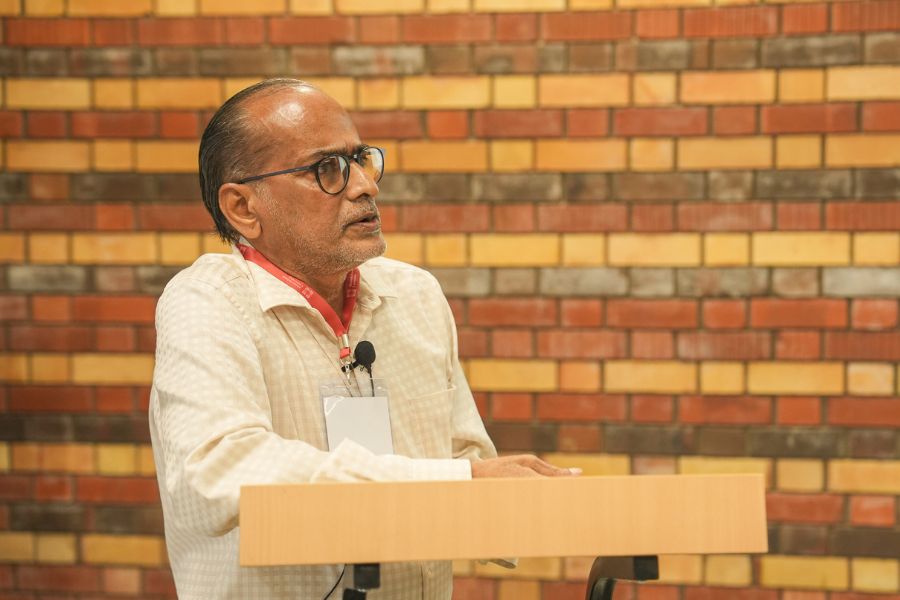
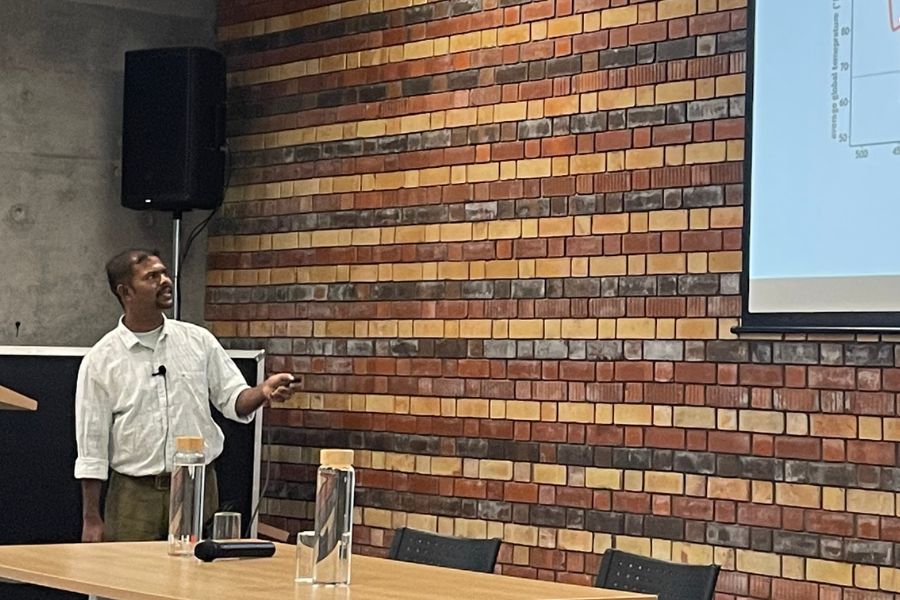
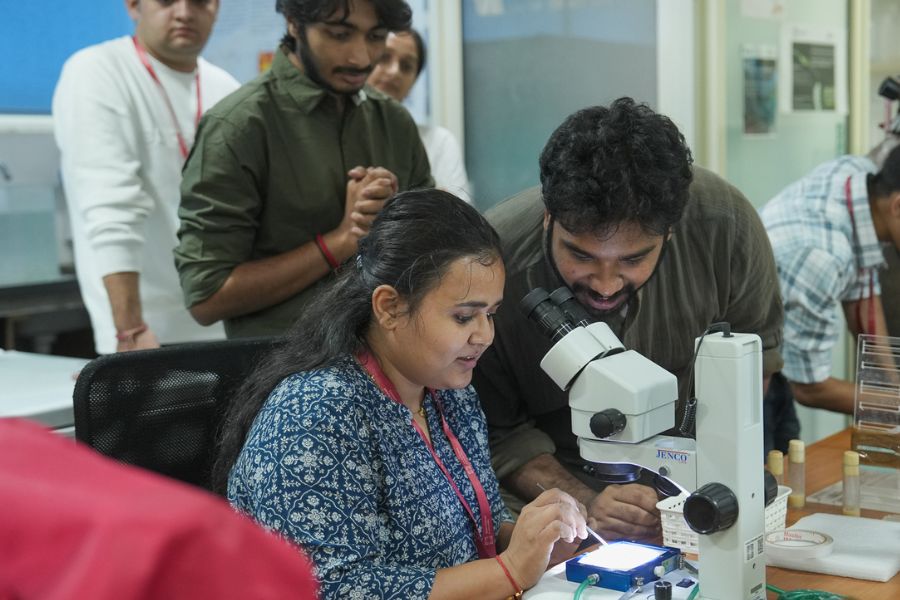
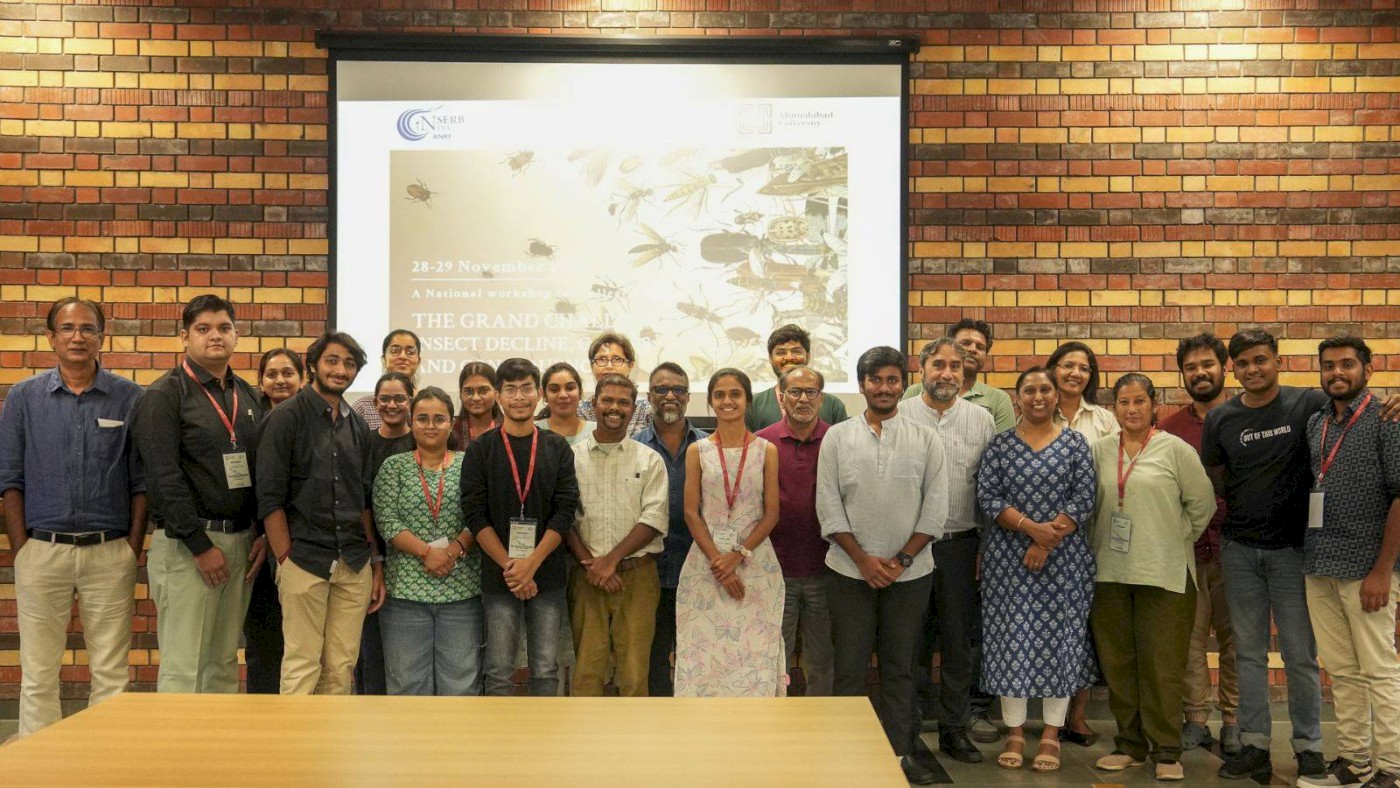
A recent national-level workshop, " The Grand Challenges: Insect Decline, Causes, and Consequences," held on November 28-29, 2024, brought together experts to discuss this critical issue. Speakers highlighted various facets of the problem, from the evolutionary history of insects to the latest technologies used to study their decline.
Outwaite emphasised the importance of filling data gaps through new monitoring schemes, broadened taxonomic sampling, and better utilising existing data. Harshad Mayekar, a Post-doctoral fellow at Ahmedabad University, explored the evolutionary perspective, discussing the issue of decreasing biodiversity due to numerous causes and illustrating insect evolution over vast timescales using fossil records. He also touched upon the relationship between genome size and diversification, noting that larger genomes often correlate with survival benefits but don't always lead to increased species diversification.
The workshop also addressed the crucial role of taxonomy in understanding and managing insect diversity. V.V. Ramamurthy, President of the Entomological Society of India, discussed the evolution of taxonomy from traditional classification to a multidisciplinary field integrating molecular biology, ecology, and behavioural studies. Himender Bharti, a Professor at Punjabi University, further explored this evolution in his session, outlining the shift from Linnaean taxonomy to modern molecular approaches. He emphasised the crucial role of taxonomy for conservation in the face of extinction and climate change.
Modern technologies like DNA barcoding are also essential in insect identification and biodiversity research. Saroja M K, General Manager of Genotypic Technology Pvt. Ltd., discussed DNA barcoding as a powerful tool, explaining its principles, applications, and the importance of integrating it with other taxonomic methods.
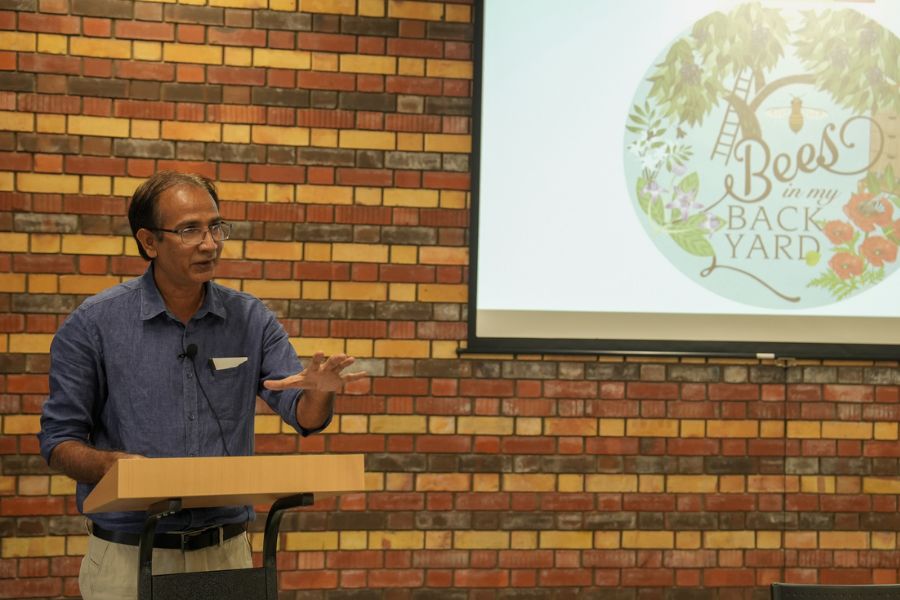
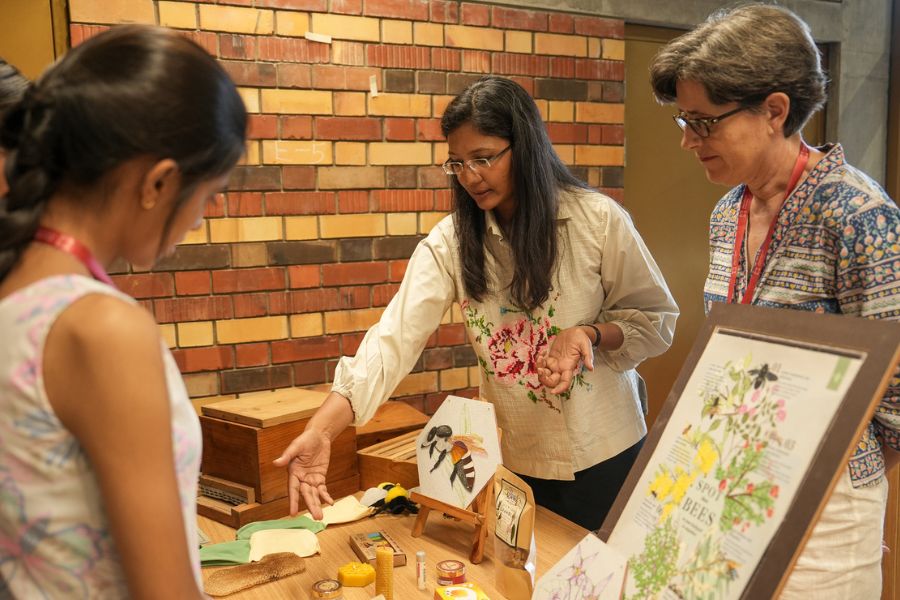
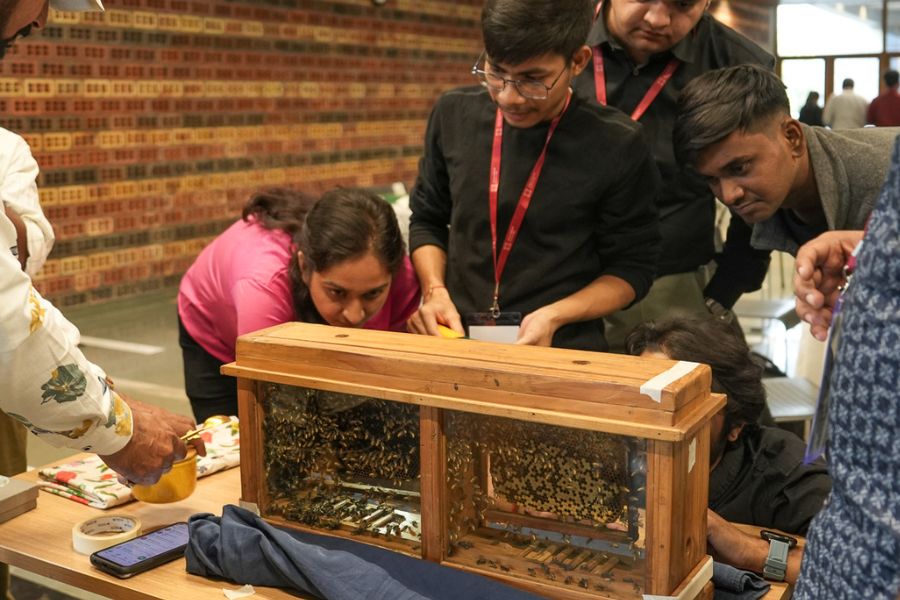
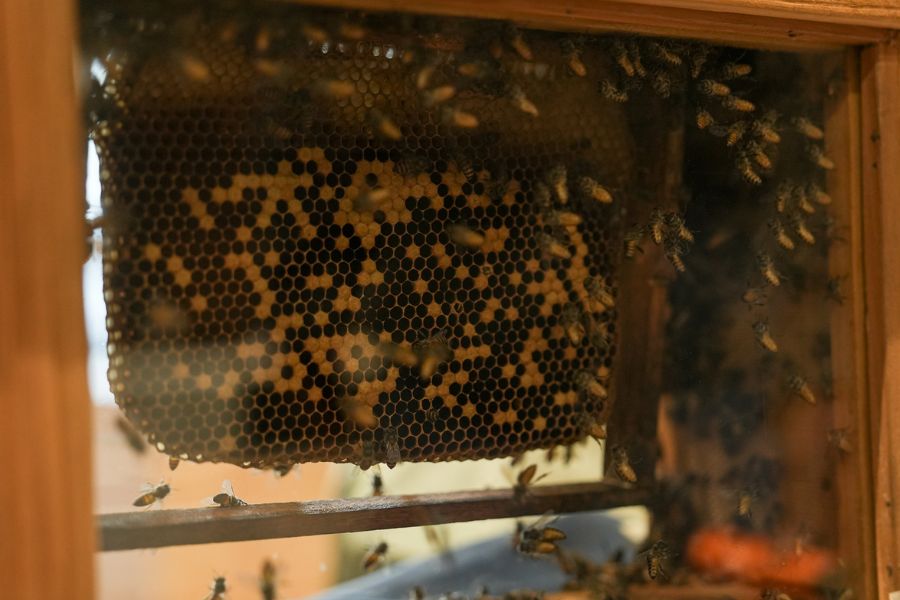
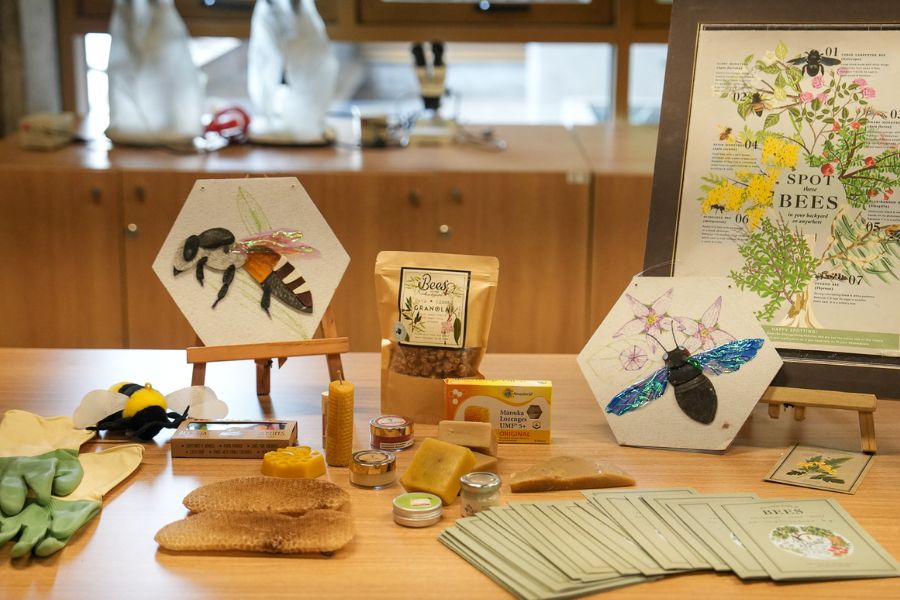
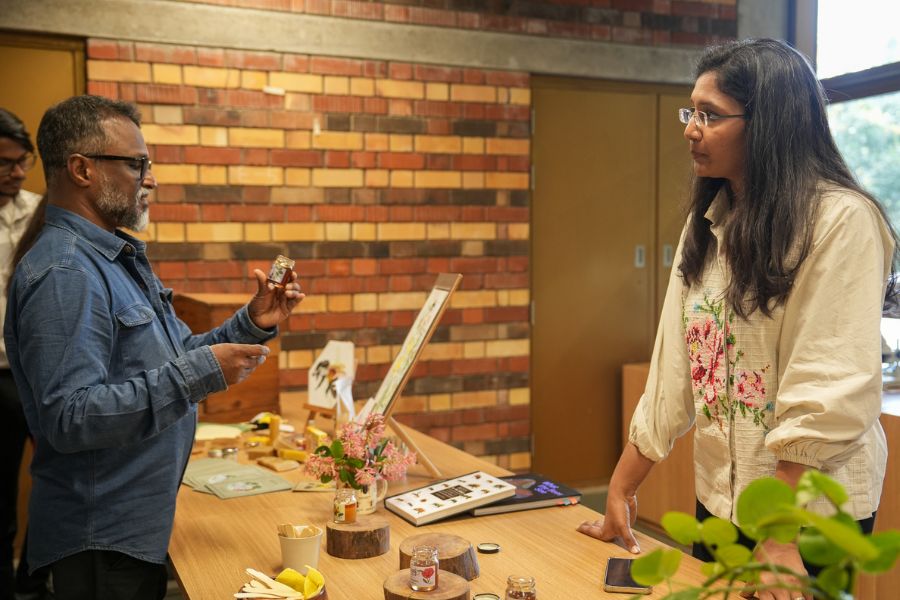
The seminar also addressed the direct impact of climate change and human activities on insect populations. Priyadarshan Dharma Rajan, Senior Fellow at ATREE, discussed the importance of insects and the impact of climate change on their populations, emphasising their crucial roles as herbivores, nutrient cyclers, and pollinators. He argued for responsible pesticide use and highlighted the interconnectedness of ecosystems. Poorva Lalbhai, Founder of Bees in my Backyard, focused on the importance of bees as pollinators, discussing different bee species and their social structures. She stressed the importance of communicating scientific knowledge effectively and showcased bee behaviour and its role in the ecosystem.
The seminar brought forth the urgency of addressing insect decline. The combined impact of habitat loss, pesticide use, and climate change severely threatens these creatures and the ecosystems they support. As the presentations highlighted, a multifaceted approach, combining traditional taxonomic methods with modern technologies like DNA barcoding, is crucial for understanding the complex dynamics of insect populations. Furthermore, raising awareness about the importance of insects and promoting sustainable practices are essential steps in mitigating this global challenge. Collaborative efforts, integrating research, education, and policy interventions, are needed to reverse the current trend and safeguard the future of these essential creatures.