3 September 2025
Co-Learning for Climate Action: Ahmedabad University and UChicago Students Explore Climate Risks and Solutions
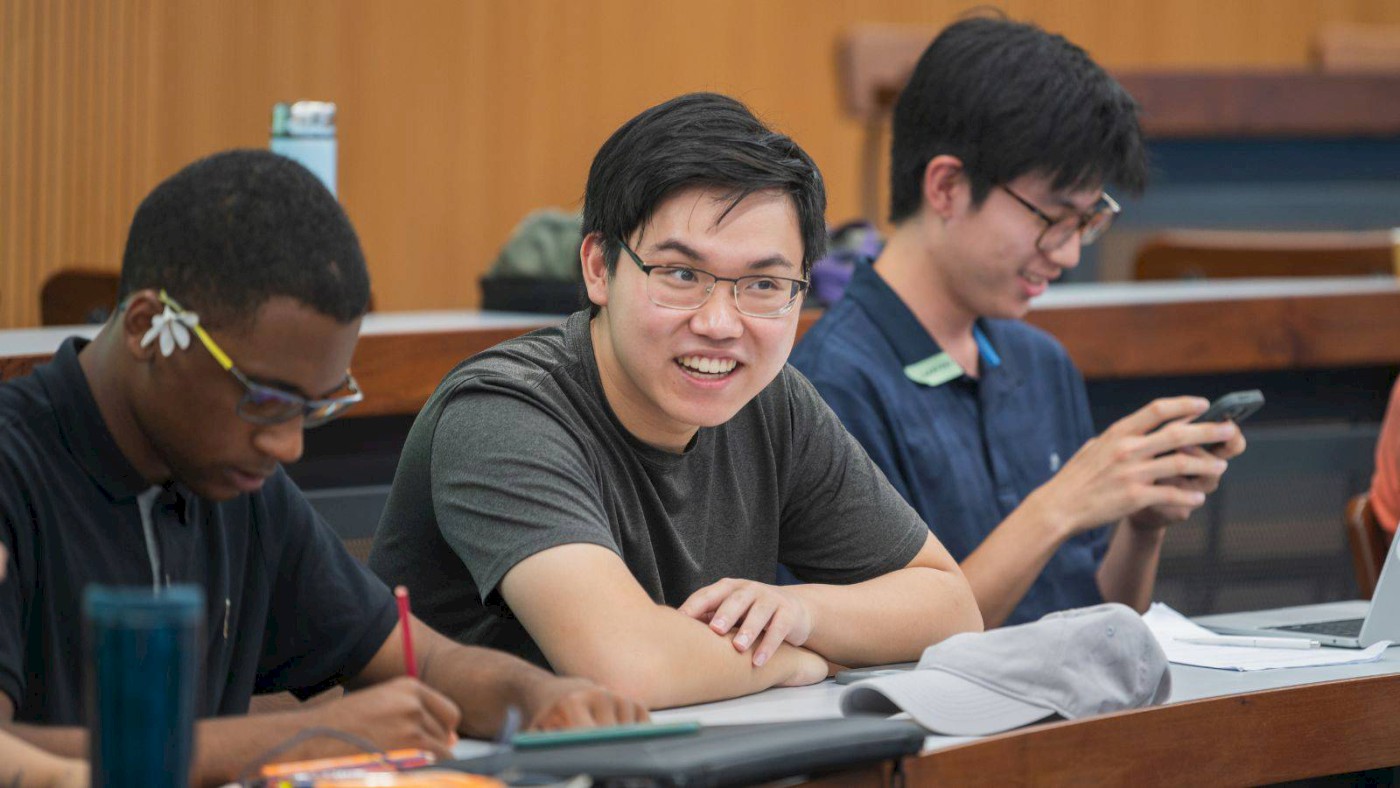
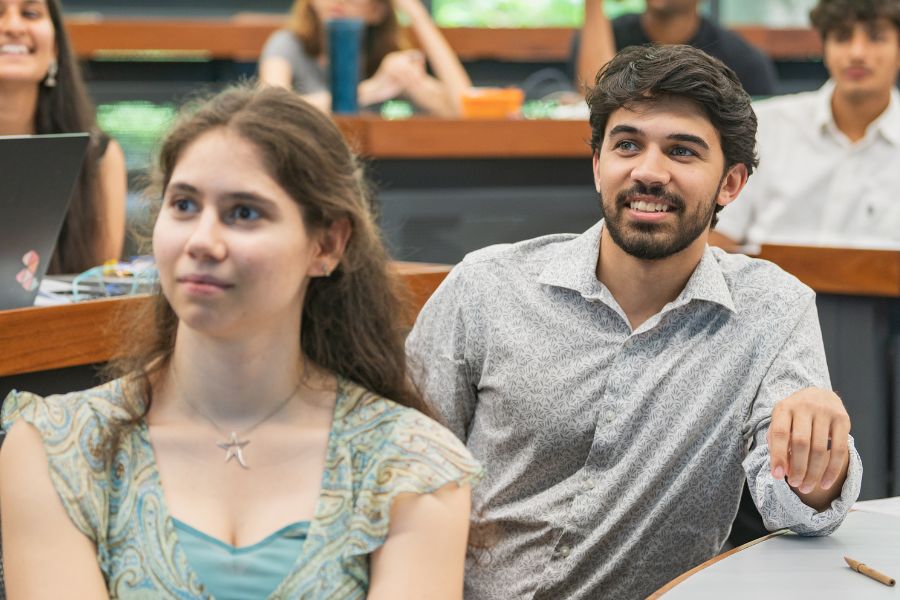
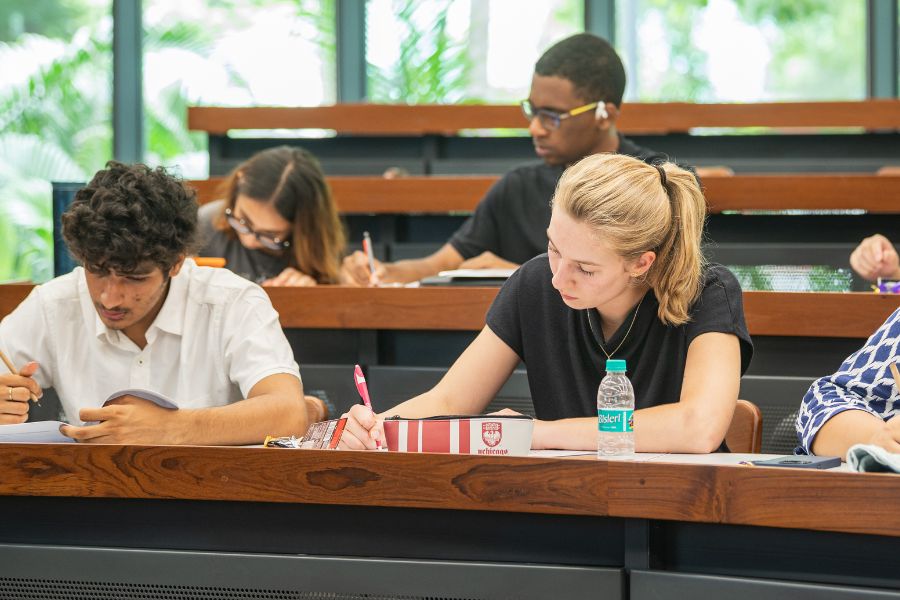
Thirty students from Ahmedabad University and the University of Chicago participated in an immersive Climate Fellows programme this summer, exploring climate risks and solutions in the Global South. Organised jointly by The Climate Institute at Ahmedabad University and the University of Chicago’s Institute for Climate and Sustainable Growth, the programme aimed to deepen understanding of climate impacts and responses in the Global South. Through a combination of classroom sessions and field visits, the programme highlighted how climate challenges in India and other parts of the Global South often differ from those in the Global North.
Students explored the human and economic impacts of climate change through discussions with experts, uncovering alarming quantitative evidence. The 2010 Ahmedabad heatwave, for instance, caused over 800 excess deaths, even though only 76 were officially reported as heatstroke fatalities. Dr Dilip Mavlankar, former Director of the Indian Institute of Public Health, explained how this event prompted authorities to develop India’s first Heat Action Plan. Complementing this, Anshuman Tiwari, Postdoctoral Fellow at EPIC India, highlighted the broader economic costs of climate change, noting that the Social Cost of Carbon, the total economic damage from one ton of CO₂ emitted today, is estimated at USD 190 per ton.
Together, these insights underscored the pervasive effects of climate change and reinforced the importance of an interdisciplinary approach, combining scientific, social, economic, and policy perspectives, to fully understand its impacts.
This blend of perspectives also resonated strongly with the students. “Understanding this economic approach, where we looked at the value of macro-level economic data, also brought into perspective other lectures that focused on the social side of climate change and emphasised the more micro-level, local data”, said Laura Bornhoevd, a fellow from the University of Chicago. “These two perspectives got me thinking about the value of using both in different contexts. Countries need to understand the economic cost of climate change in terms of GDP. Still, it is also important to contextualise these costs at a more local level to make them more apparent to citizens.”
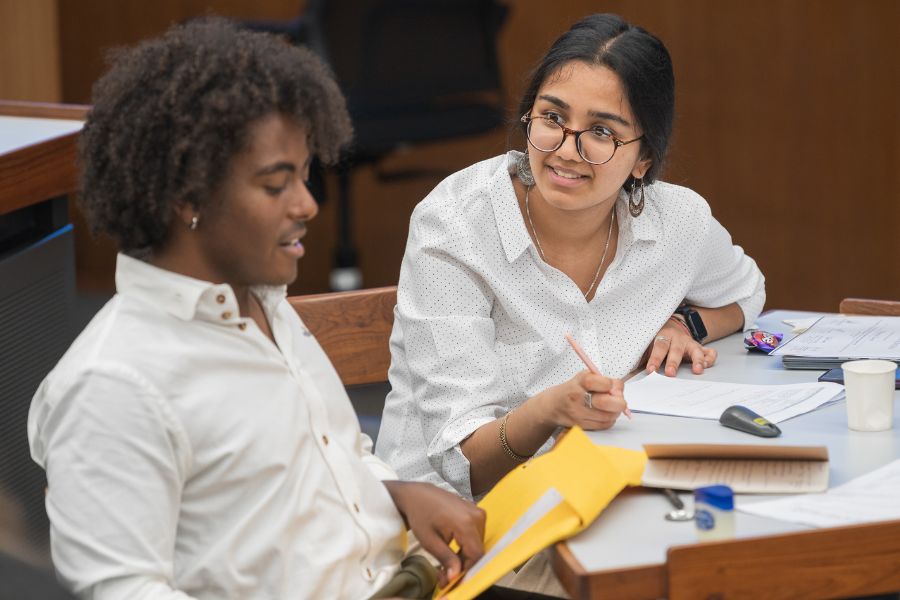
The collaborative environment between students from both universities played a key role in deepening these insights. Peer-to-peer learning sparked conversations that extended well beyond the planned curriculum, with students exchanging and debating perspectives on climate change, implications through the lens of their diverse academic majors.
One of the themes that resonated most with students during these interactions was the societal impact of climate change, particularly its disproportionate effects on women. This was first brought into focus through a session on gender and climate led by Darshini Mahadevia, Professor at the School of Arts and Sciences at Ahmedabad University, who highlighted the vulnerability of home-based women workers in Indian cities, where inadequate sanitation, heat protection, and transport infrastructure amplify climate risks.
A field visit with the Self Employed Women’s Association (SEWA) brought these realities into view. In a local chawl, students observed how rising indoor temperatures threaten women working from their homes, while simple community-driven measures, such as rooftop greenery and better ventilation, can offer relief.
A visit to the Mahila Housing Trust (MHT) demonstrated how women are not only disproportionately affected, but also leading the solutions. The organisation empowers low-income women to improve housing, access clean energy and water, and strengthen disaster preparedness, placing them at the centre of climate resilience efforts.
Students also examined the health impacts of extreme rainfall in Mumbai through the lens of data analysis, where analysis of the event showed that 90 per cent of fatalities occur among informal housing residents, with women facing a higher mortality burden.
Expanding the lens from intimate community contexts to the global climate landscape, students explored the reality that at the current rate of global greenhouse emissions, global temperature increase is likely to exceed 1.5°C very soon. Programme discussions highlighted that the current state of the climate reflects decades of past emissions, meaning that recovery will take sustained, intentional effort rather than immediate reversal. What is needed is a clear, strategic path forward to guide effective action.
Professor Minal Pathak, Associate Professor and Academic Director of The Climate Institute, stressed that advancing both mitigation and adaptation is essential to making climate action concrete and achievable. She highlighted that inaction often stems from a tendency to redirect responsibility, to over-emphasise the downsides of solutions, and to view change as impossible. By making climate solutions more tangible, we can empower individuals and communities to take meaningful action.
Reflecting Professor Pathak’s emphasis on making climate solutions more tangible, the Climate Fellows Programme aims to inspire self-realised, sustained action by equipping fellows with knowledge, lived insights, and practical tools to tackle climate change.