
Wednesday
09
September 2026
2:30 - 4:00 PM IST
Location
Room 209, School of Arts and Sciences
Central Campus
Share
What is Buddhist Archaeology in India without the Colonial Baggage?
Arts and Sciences Research Seminar Series
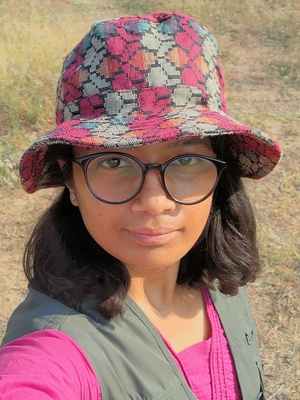
Shaashi Ahlawat
2026-27 BDK Fellow
Medieval Indian Buddhism
Mie University, Japan
Speaker
Archaeology of Indian Buddhism is inseparable from its colonial inheritance, the frameworks through which India's past was first organised archaeologically. Its methods, biases, and restrictive categories, particularly in interpreting Buddhism's later history, continue to shape—and constrain—the questions we ask of the archaeological record. This talk critically examines the colonial legacies of Buddhist archaeology in India and asks what becomes possible when these inheritances are made visible. Focusing on my work in southern Bihar, I trace how archaeological knowledge has been constructed around sites such as Nalanda and consider what a different approach to material remains might reveal about Buddhism's long and complex history in India.
Speaker
Shaashi Ahlawat
Shaashi Ahlawat is a historian and archaeologist working at the intersections of religion, polity, and regional histories. Her research on medieval Buddhism offers a new interpretation of its decline in Eastern India.