
7th International Conference on Heritage Management Education and Practice
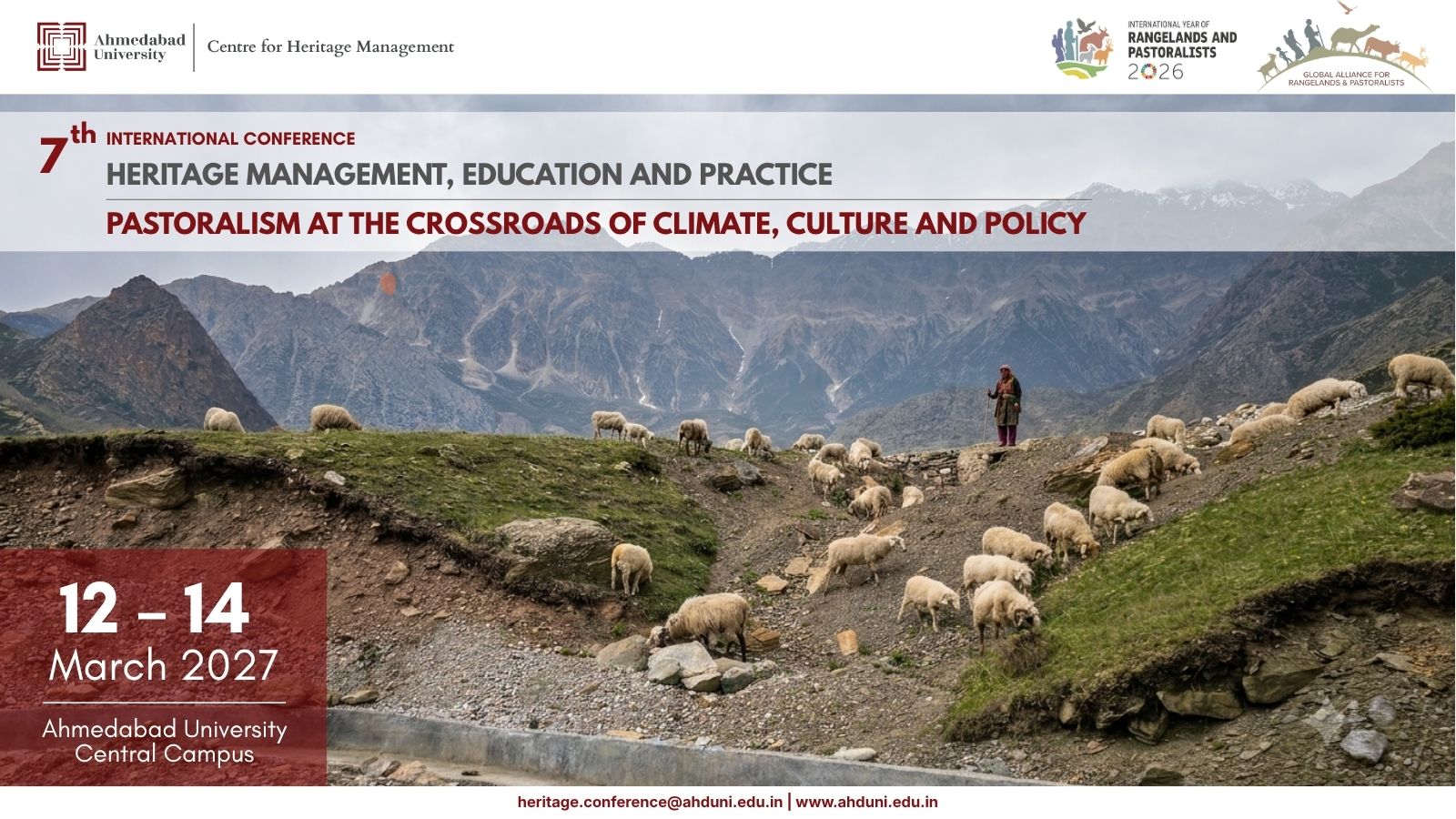
The Centre for Heritage Management at Ahmedabad University announces the seventh edition of its International Conference on Heritage Management Education and Practice. This conference will focus on pastoralism and will be organised on the occasion of the United Nations-declared International Year of Rangelands and Pastoralists (IYRP) 2026, following its completion, to reflect on its initiatives and outcomes and to continue the dialogue on pastoralism issues.
The conference begins with a simple yet important proposition: pastoralism is not a relic of the past. It is a living, adaptive system with deep relevance for the future. In a context of climate instability, ecological degradation, water scarcity, biodiversity loss, and rural livelihood crises, pastoral systems offer practical lessons in sustainability, flexibility, and resilience.
Globally, an estimated 200-500 million people depend directly on pastoralism for their livelihoods. Pastoral communities inhabit drylands, semi-arid regions, high mountains, and other ecologically fragile landscapes across Africa, Asia, Europe, and Latin America. In India alone, more than 40 pastoral communities with a total population ranging from 13 to 20 million people manage livestock across diverse ecological zones. These communities are managers of vast rangelands, custodians of livestock biodiversity, and practitioners of complex ecological knowledge systems.
Pastoral systems contribute directly to global sustainability agendas, including poverty reduction, food security, climate adaptation, biodiversity conservation, and inclusive governance. They offer low-input, adaptive production models that align with Agenda 2030 and the Sustainable Development Goals (SDGs). As climate risks intensify and drylands expand, the key question is not whether pastoralism is viable, but whether policy and governance systems can recognise, support, and learn from its strengths.
This conference builds on the Centre’s previous international conference on climate change, moving from discussions of the global environmental crisis to a focus on community-based adaptive systems. If climate change demands resilience, pastoralism shows how resilience is practised on the ground. Organised on the occasion of the International Year of Rangelands and Pastoralists, following its completion, the conference aims to reflect on IYRP initiatives and outcomes, assess emerging policy directions, and consolidate pathways for future research, documentation, and action, while continuing the dialogue on pastoralism issues.
Photo Credits: Samanata Kumar
If you have questions, you can write to us at: heritage.conference@ahduni.edu.in
Call for Abstracts
Full paper submission is optional. Registered participants who wish to get their full paper published in the June 2026 issue of the Journal of Heritage Management can submit it by December 31, 2025 (subject to the Journal’s separate peer review process).
Submit your abstract in 300-500 words by August 15, 2025.
If you have questions, you can write to us at: heritage.conference@ahduni.edu.in
Registration Fees
| Early Bird and Presenters (January 31, 2027) |
Regular Registration (February 20, 2027) |
Late registration (March 5, 2027) |
|
|---|---|---|---|
| Academic/Professionals (India and South Asia) |
INR 5000 | INR 10000 | INR 15000 |
| Students (India and South Asia) |
INR 3000 | INR 5000 | INR 10000 |
| Academic/Professionals (all other countries) |
USD 100 | USD 200 | USD 300 |
Note: The registration fee includes all conference sessions, lunches, tea/coffee and opening and closing receptions
If you have questions, you can write to us at: heritage.conference@ahduni.edu.in
Frequently Asked Questions
Can I present my paper in an online format?
Yes, online presentations are permitted only for international presenters; this provision does not apply to those based within the Country.
Will my accommodation, travel and meals be included in the registration fee for the conference?
The registration fee would not include your travel, accommodation expenses. The university will provide a list of nearby places for accommodations. As for the meals, the conference registration fee includes lunch and tea/coffee with snacks for the three days of the conference, but not dinner. The fee will also include the conference kit (including pen-diary, conference abstract booklet, leaflet of Centre for Heritage Management, postcards, etc.) and free access to all the lectures.
Would the hosting institution provide any assistance for the visa application process?
Unfortunately, the university hosting the conference would not provide any assistance in the visa application process. The attendee is requested to apply for a tourist visa.
Will the papers presented in the conference published in post-conference proceedings?
All the abstracts of the papers will be published in a conference booklet, but the full papers won’t be published. However, we have a biannual Journal of Heritage Management in partnership with Sage Publications where you can submit your papers for publication. Publication in this journal will be subjected to a separate peer review process. You can read more about the journal in this link.
Call for Participation
The conference aims to foster cross-disciplinary dialogue and collaborative action in cross-cutting themes of inquiry, like the following, but not limited to:
Pastoralism as Living Heritage
Pastoral knowledge systems, languages, oral traditions, cultural practices, sacred landscapes, cultural sites, transhumance routes, and pastoral cultural landscapes; memory, identity, and cultural continuity in pastoral communities; Music, art, crafts, and aesthetic expressions of pastoral cultures
Pastoralism and Biodiversity Conservation
Rangelands as biodiversity-rich landscapes managed through pastoral practices; Synergies between pastoral management and ecosystem health; Community-led conservation and customary governance systems; Pastoral corridors, wildlife connectivity, and transhumance routes as conservation infrastructure
Climate Resilience and Adaptive Systems
Traditional adaptation strategies and coping mechanisms for climate variability; early warning systems, water management, breed diversity, carbon sequestration and ecosystem services; seasonal migration and herd mobility as adaptive mechanisms
Gender, Youth, and Social Change in Pastoral Systems
Women’s roles in pastoral production, conservation, and community leadership; Intergenerational knowledge transfer; Youth engagement, vocational opportunities, and innovation in pastoral livelihoods; Social inclusion, equity, and fair access to pastoral resources
Governance, Mobility Rights, and Pastoral Futures
Customary tenure systems and community governance; Land rights, pastoral land security, Policies for pastoral mobility and access; Gender and youth voices in pastoral governance
Livelihoods, Markets, and Sustainable Economies
Pastoral value chains and market access; Cooperatives, producer organisations, and fair-trade initiatives; Diversification of income sources and risk management in pastoral economies
Education, Documentation, and Capacity Building
Curriculum development for heritage management and pastoral studies in higher education; Documentation, archiving, and digital heritage approaches for pastoral knowledge; the role of higher education institutions in supporting sustainable pastoralism
This interdisciplinary conference invites:
- Academic researchers and scholars across heritage, anthropology, ecology, geography, governance, gender studies, economics, and policy
- Heritage professionals, environmental professionals, and community development practitioners
- Pastoral community representatives
- Policymakers and government officials
- International and regional organisations working on pastoralism and sustainable development
- Students and researchers
- Private sector representatives engaged in pastoral value chains
Abstract Submission: Word count: 300-500 words
Categories for participation
- Oral presentation
- Panel discussion (coordinated proposals from 3-4 presenters)
- Workshop or interactive session
- Community presentation
- Exhibitions/Stalls
Publication in Journal of Heritage Management
Full paper submission is optional. Registered participants who wish to publish their full paper in the Journal of Heritage Management can submit it by 1 June 2027. Selected papers after going through the Journal’s separate peer review process will be published in a forthcoming issue of the Journal of Heritage Management, published biannually in partnership with Sage Publications.
If you have questions, you can write to us at: heritage.conference@ahduni.edu.in
Important Dates
| Abstract Submission Deadline | Sunday, December 20, 2026 |
| Abstracts Acceptance Notification | Friday, January 15, 2027 |
| Last date for Authors/Speakers/Early bird registrations | Sunday, January 31, 2027 |
| Last Date of Participants Registration (Regular) | Saturday, February 20, 2027 |
| Late Registrations | Friday, March 5, 2027 |
| Conference Dates | Friday-Sunday, March 12-14, 2027 |
If you have questions, you can write to us at: heritage.conference@ahduni.edu.in
Conference Chair
- Molly Kaushal, Director, Centre for Heritage Management
Conference Scientific Committee
- Ashok Chatterjee, Advisor, Centre for Heritage Management
- A. Damodaran, Professor, Centre for Heritage Management
- Aditya Ghosh, Professor, Centre for Heritage Management
- Aditya Kanth, Assistant Professor, Centre for Heritage Management
- Molly Kaushal, Director, Centre for Heritage Management
- Abhimanyu Pandey, Adjunct Faculty, Centre for Heritage Management
- Vijay Ramchandani, Adjunct Faculty, Centre for Heritage Management
Conference Secretariat
- Ishika Jain
- Anushka Mishra
- Lasya Prashanth
- Nishra Shah
- Shivika Sharma
- Nikita Singh
Logistics and Technical Support
- Jayesh Bhatt
- Anoli Ruia
Plenary Speakers
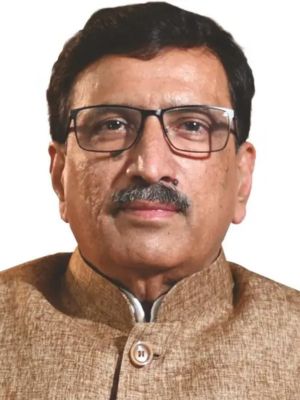
HARSH CHOUHAN
Distinguished Social Activist
Policy Leader
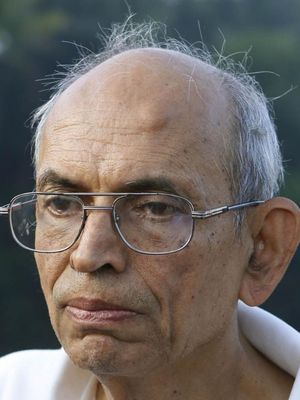
MADHAV GADGIL
Ecologist
Founder
Centre for Ecological Sciences
Indian Institute of Science

SONALI GHOSH
Field Director
Kaziranga National Park
CEO
Assam Agroforestry Development Board

EHUD HALPERIN
Professor
Department of East Asian Studies
Tel Aviv University
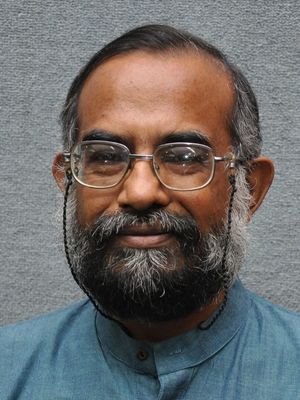
ASHISH KOTHARI
Environmentalist
Founder
Kalpavriksh
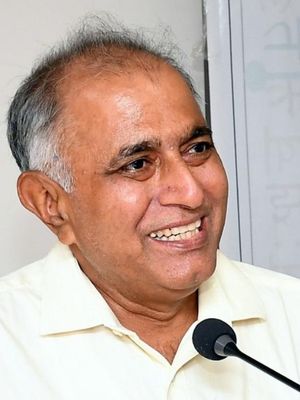
AMITABH PANDE
Director
National Museum of Humankind

SANJAY PAWAR
Dharali Disaster Survivor
Social Activist

KIRAN SHINDE
Professor
School of Humanities and Social Sciences
La Trobe University
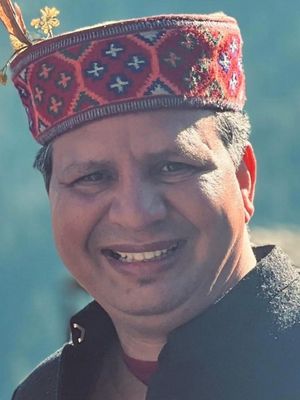
ANKIT SOOD
Tourism Industry Expert
Indian Himalayas
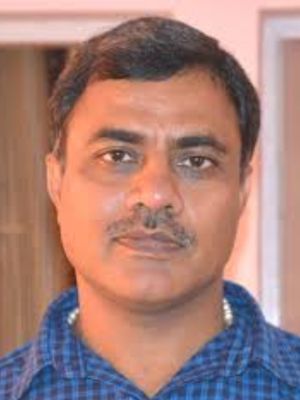
ALOK TRIPATHI
Additional Director General
Archaeological Survey of India