As we enter 2026, we look back at the ambitions that have shaped Ahmedabad University's emergence as an institution of prominence. A glance at Ahmedabad University in 2025 reveals an institution evolving into a vibrant ecosystem of ideas, inquiry, and imagination.
Continuing our journey toward excellence, we are emerging as a focal point for cutting-edge research and interdisciplinary learning, where diverse forms of expertise converge to address the complex challenges of tomorrow. Its aspiration is not only to elevate academic standards but to redefine how higher education can serve the public good.
This year marked crucial steps toward that future with chapters shaped by useful research, global collaborations, student breakthroughs, alumni accomplishments, and initiatives that push the boundaries of education and impact.
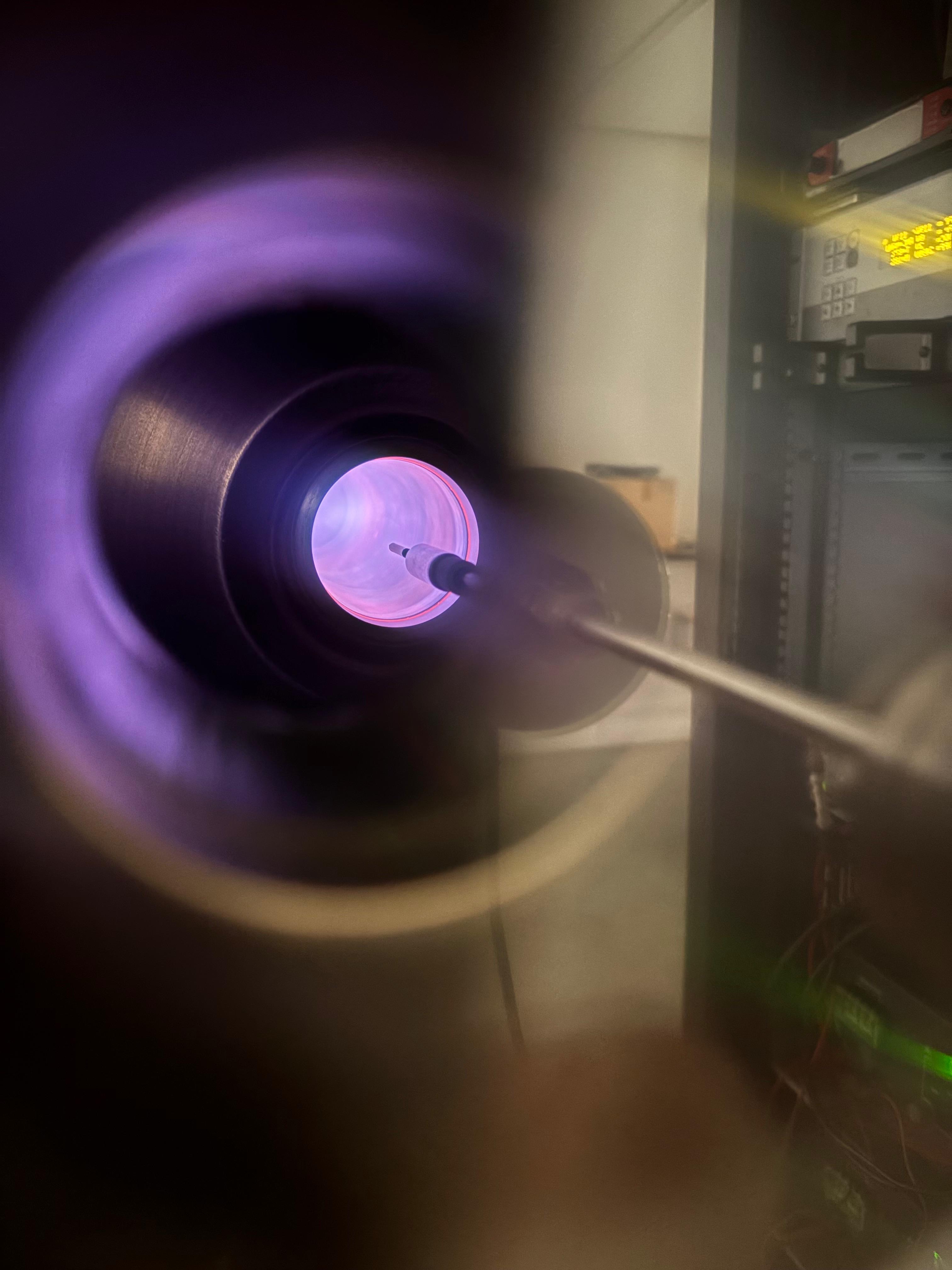
The Laboratory generated a controlled plasma discharge, a miniature lightning storm, marking a critical step forward in advanced plasma research. The team is exploring radio-frequency plasma thrusters, a promising technology for deep-space propulsion. These thrusters offer high efficiency, low power use, and erosion-free operation, enabling precise spacecraft manoeuvres.
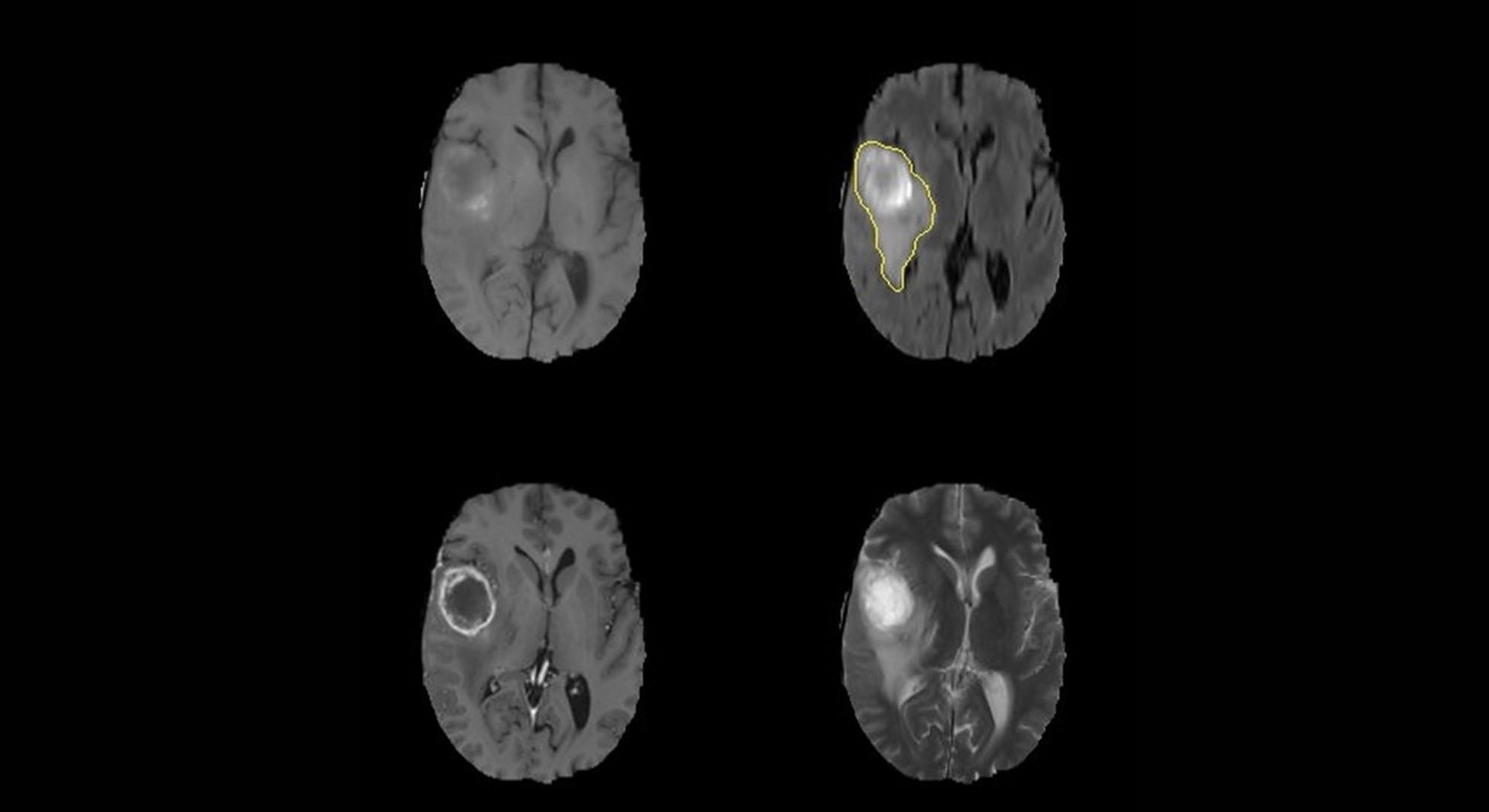
Our researchers are developing an AI-driven, non-invasive tool to diagnose and characterise brain tumours with greater accuracy. Using deep learning, transformer models, and radiomics to analyse MRI scans, the project aims to overcome the limitations of biopsies. Supported by a University Challenge Grant, the project aims to enhance precision diagnostics and improve patient care.
Anil Patel, Assistant Professor at the Bagchi School of Public Health, received India's top honour for young aerosol scientists for introducing Oxidative Potential as a more informative indicator of health risk from air pollution. His work offers a new pathway for understanding the biological impact of particulate matter.
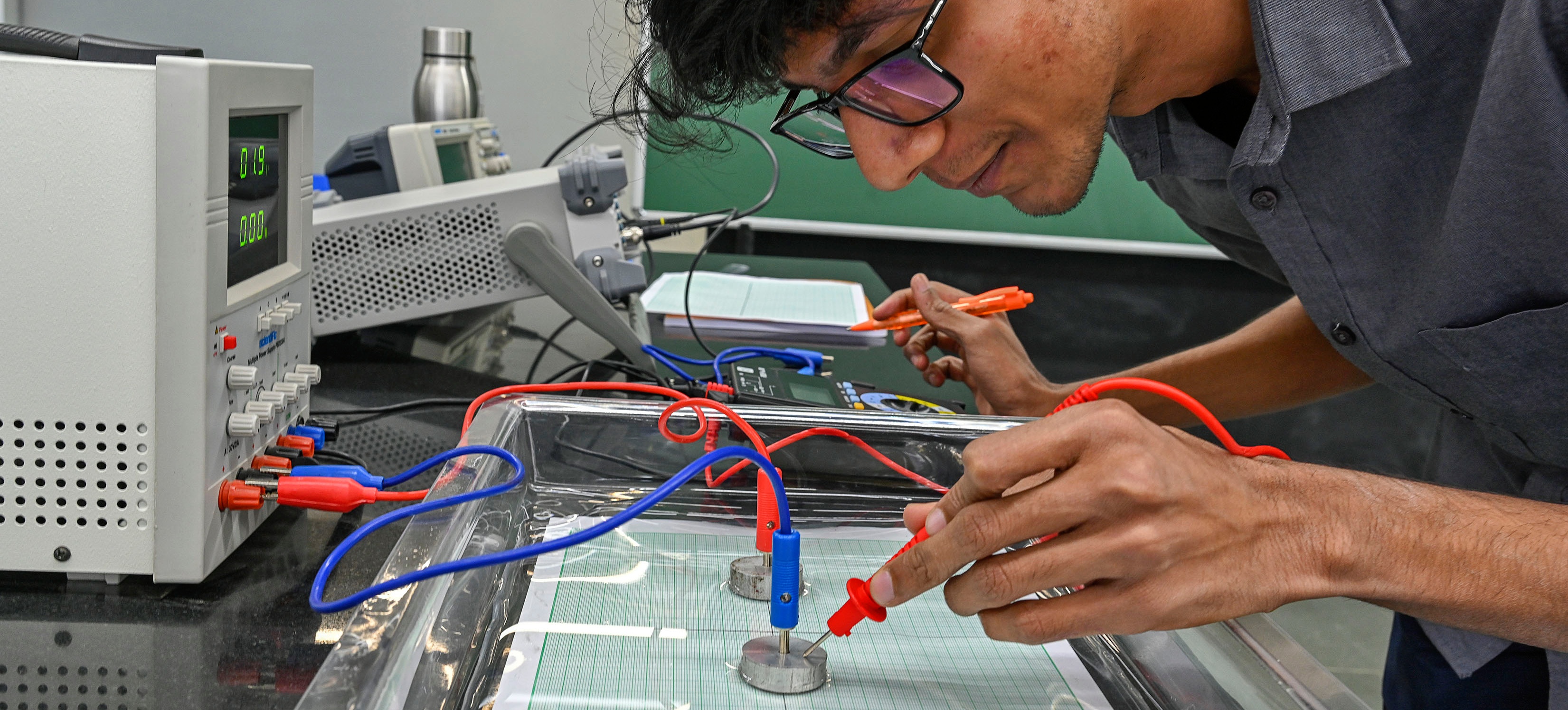
At the Bagchi School of Public Health, Assistant Professor Subhabrata Moitra identified a potential causal link between chronic respiratory diseases such as asthma and reduced white matter volume in the brain. The findings, which carry implications for neurological conditions including ALS, MS, and Parkinson’s disease, earned him the Rising Star Award at the XII International Workshop on Lung Health.
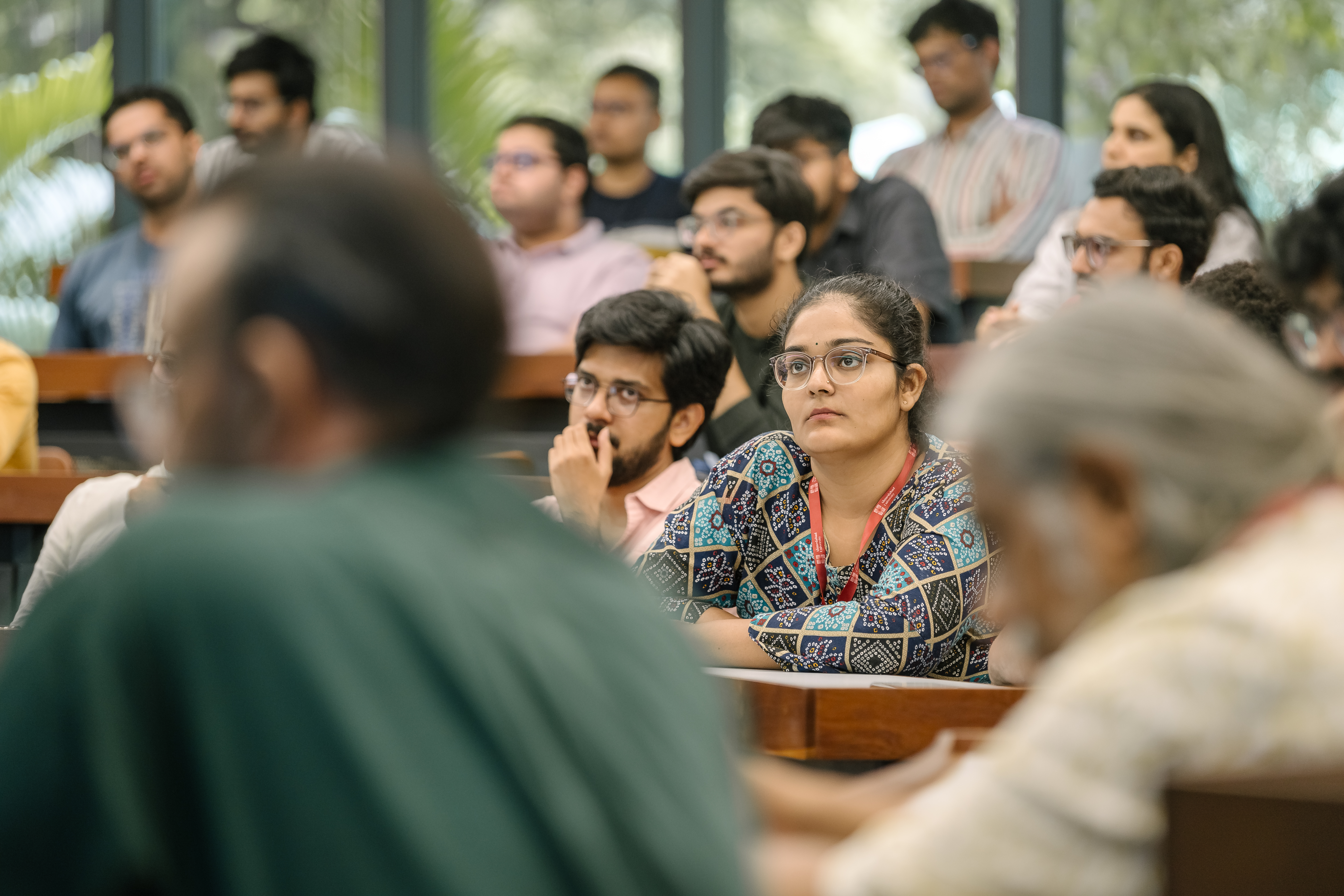
Keyur Joshi, Assistant Professor in the School of Engineering and AppliedScience, received the IETE-J. C. Bose Memorial Award for developing a low-cost, vision-based assistive feeding robot with six degrees of freedom. Designed to support older adults and individuals with special needs, the system demonstrates how accessible engineering solutions can enhance quality of life and promote independent care.
A study co-authored by Subhankar Saha, Assistant Professor at the Amrut Mody School of Management, received the Best Theory-Driven Empirical Research Paper Award at the Decision Sciences Institute 2025 Conference. The research examines how administrative frictions and payor rules influence medical decision-making and patient outcomes, highlighting Ahmedabad University’s growing contributions to policy-relevant healthcare research.
Shweta Agarwala, Professor and Associate Dean in the School of Engineering and Applied Science, was awarded the WISER Fellowship 2025 for her research which pushes the boundaries of piezoelectric materials for next-generation biomedical sensing applications. She will be collaborating with researchers from Karlsruhe Institute of Technology in Germany to further her work.

Students engaged directly with global leaders, asking their questions world's leading thinkers, from Urjit Patel, former Governor of the Reserve Bank of India and now Executive Director at the International Monetary Fund, to Mary Robinson, former President of Ireland and a global advocate for climate justice and human dignity, to Subroto Bagchi, Co-founder, Mindtree and Chairman, Odisha Skill Development Authority, to Sitanshu Yashaschandra, Poet, Playwright, Translator and Academic, inconversations that shape their intellectual journey.
Emerging in response to shifting technological, geopolitical, and climate realities, our new centre, The Stepwell Centre for Asian Futures, deepens inquiry into India's regionalrelationships and transboundary policy challenges across Asia and the Indian Ocean. Itsscope now includes focused advocacy, research, and interdisciplinary collaboration.
A space for liberal inquiry, where disciplines blend, perspectives converge, and thefuture of India's wellbeing is studied without silos.
Reimagining cultural heritage and sustainability through interdisciplinary dialogue andintegrated practice.
Bringing scholars and practitioners together to examine contemporary challenges anddefine pathways for an economically empowered India.
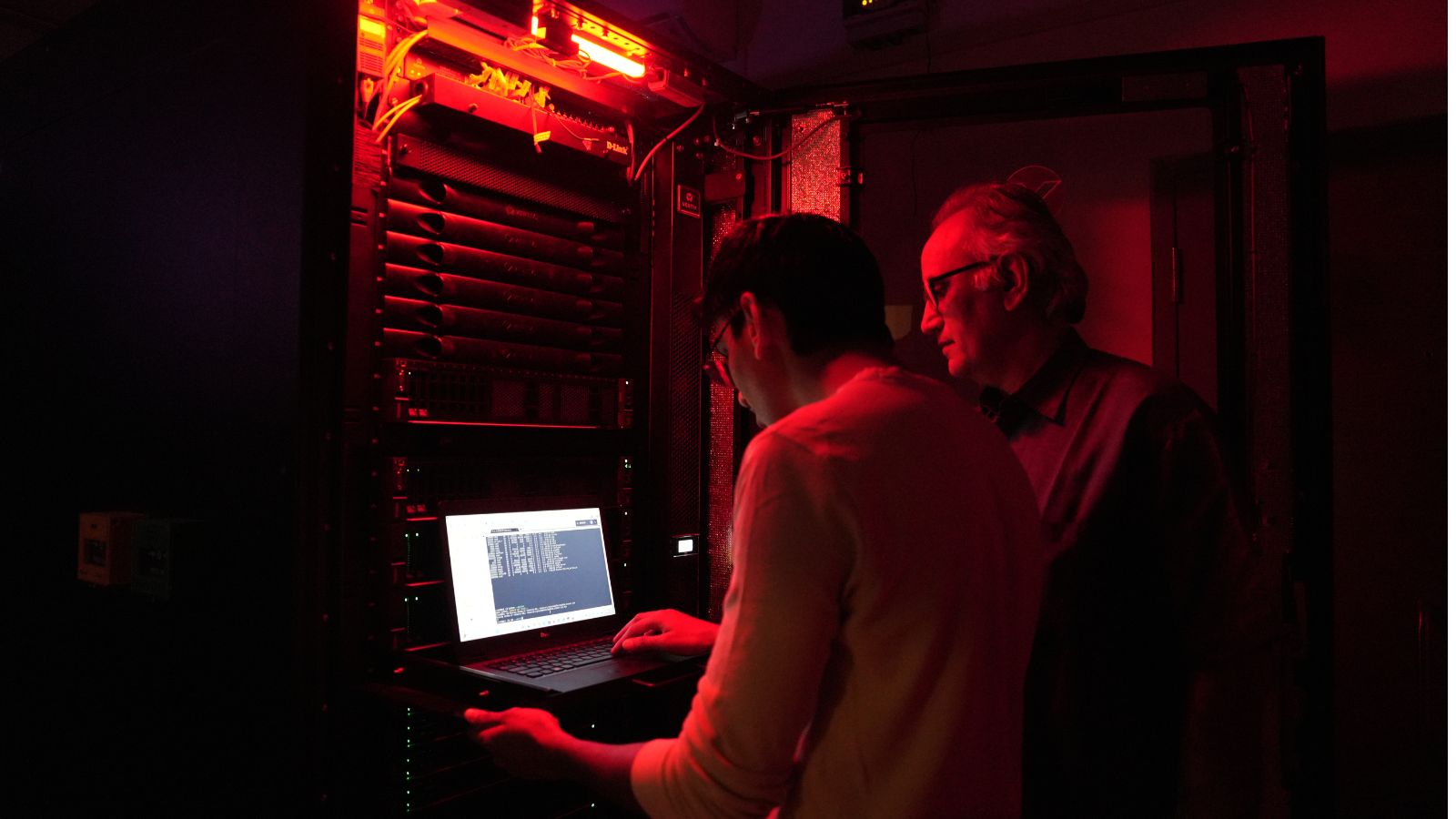
Ahmedabad University commissioned Stepwell, a state-of-the-art High-Performance Computing (HPC) system, which is ranked among India's top 50 by C-DAC. As one of only two private universities on the list nationally, this highlights the University's focus as a premier research institution. Built with Intel Xeon processors and GPU systems, Stepwell delivers robust performance for intensive computational tasks, featuring a powerful setup of CPU and CPU + GPU compute nodes with a total power of nearly 167 TFLOPS.
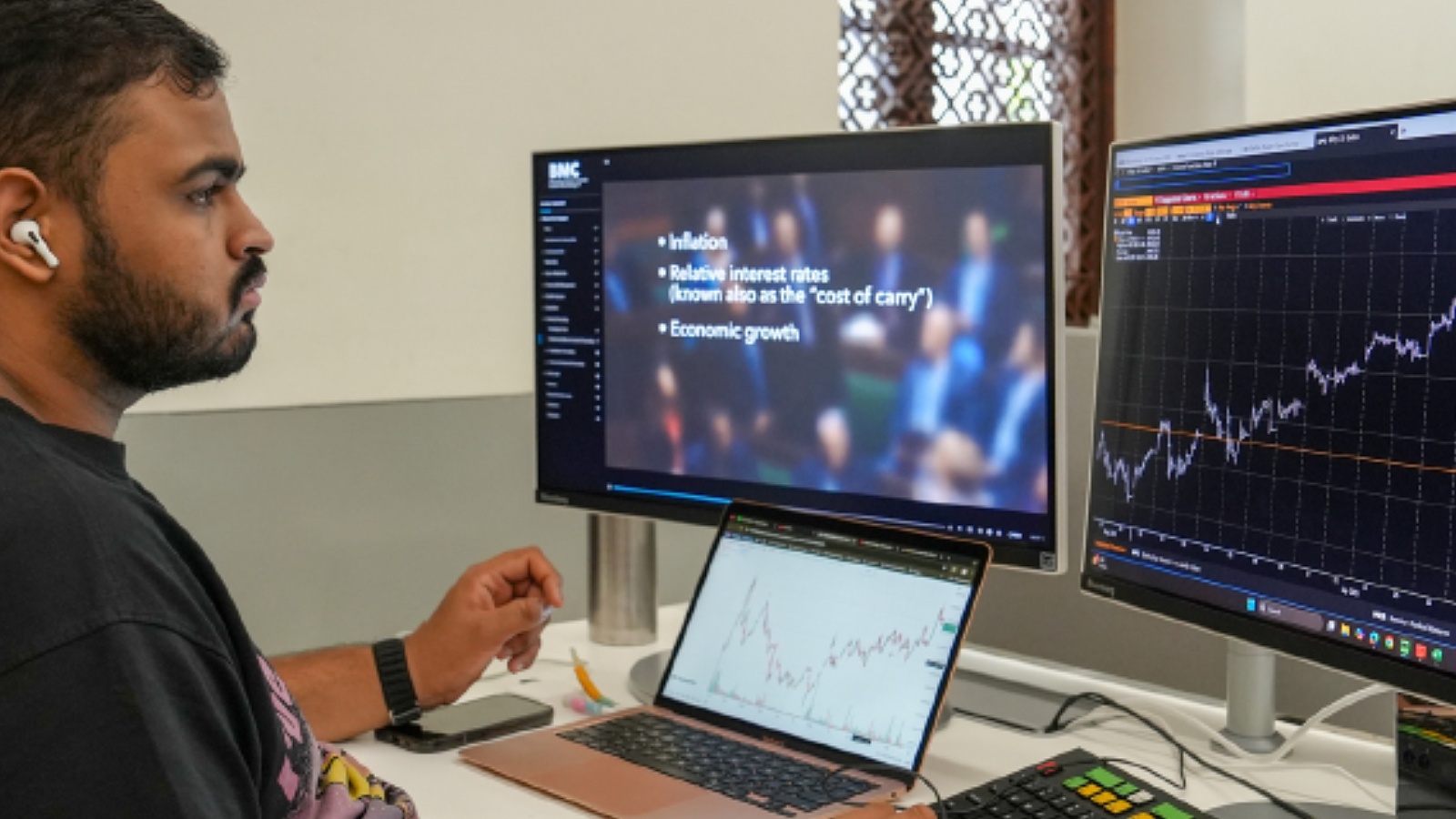
The University integrated Bloomberg Terminals into its academic infrastructure, enabling students, researchers, and entrepreneurs to work with live financial markets, global development data, and policy insights. Housed in a dedicated Bloomberg Lab on campus, this environment enhances experiential learning and strengthens industry preparedness across the academic ecosystem. Equipped with 12 terminals, the Lab serves as a shared resource, providing access to live global data, analytics, and financial modelling tools for multiple programmes.
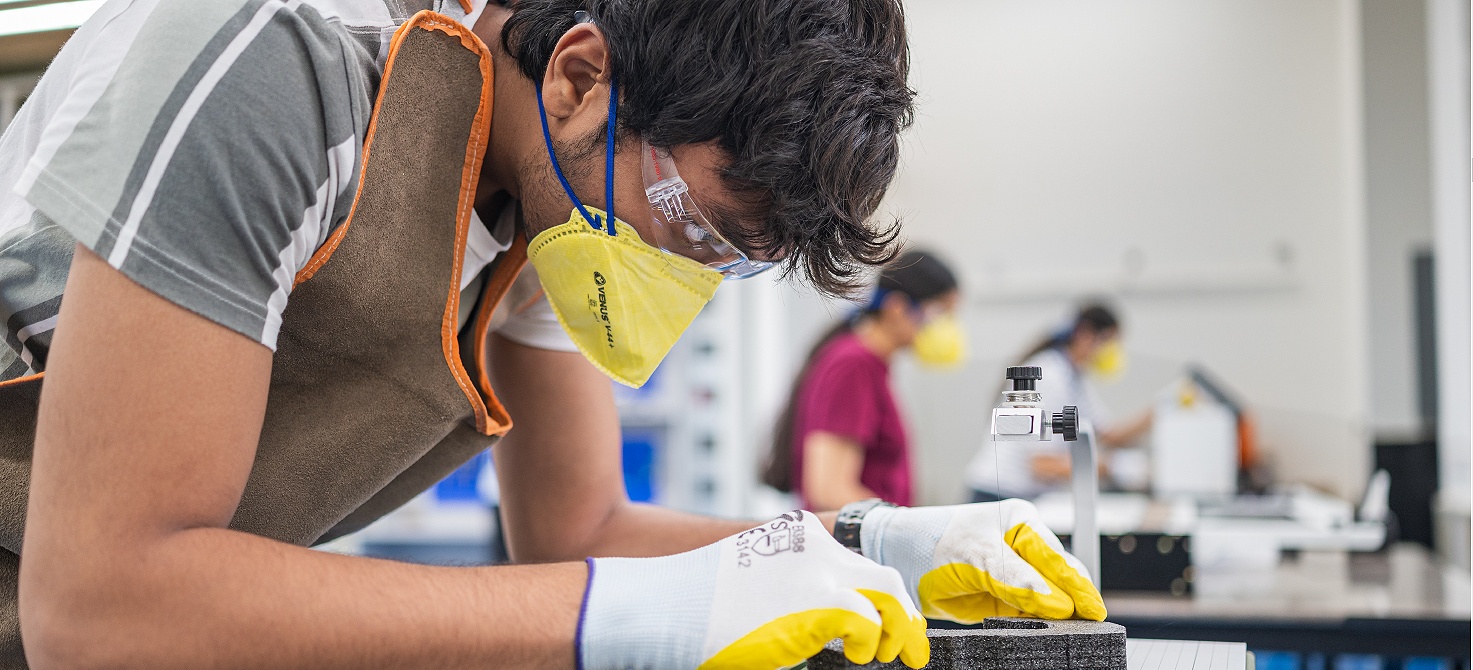
The Tinkerers' Laboratory offers students access to cutting-edge tools and the agency to turn their ideas into working prototypes for coursework, ventures, or national competitions. Launched in collaboration with the Maker Bhavan Foundation and industry partners, the Laboratory is fully student-managed and open 24x7.
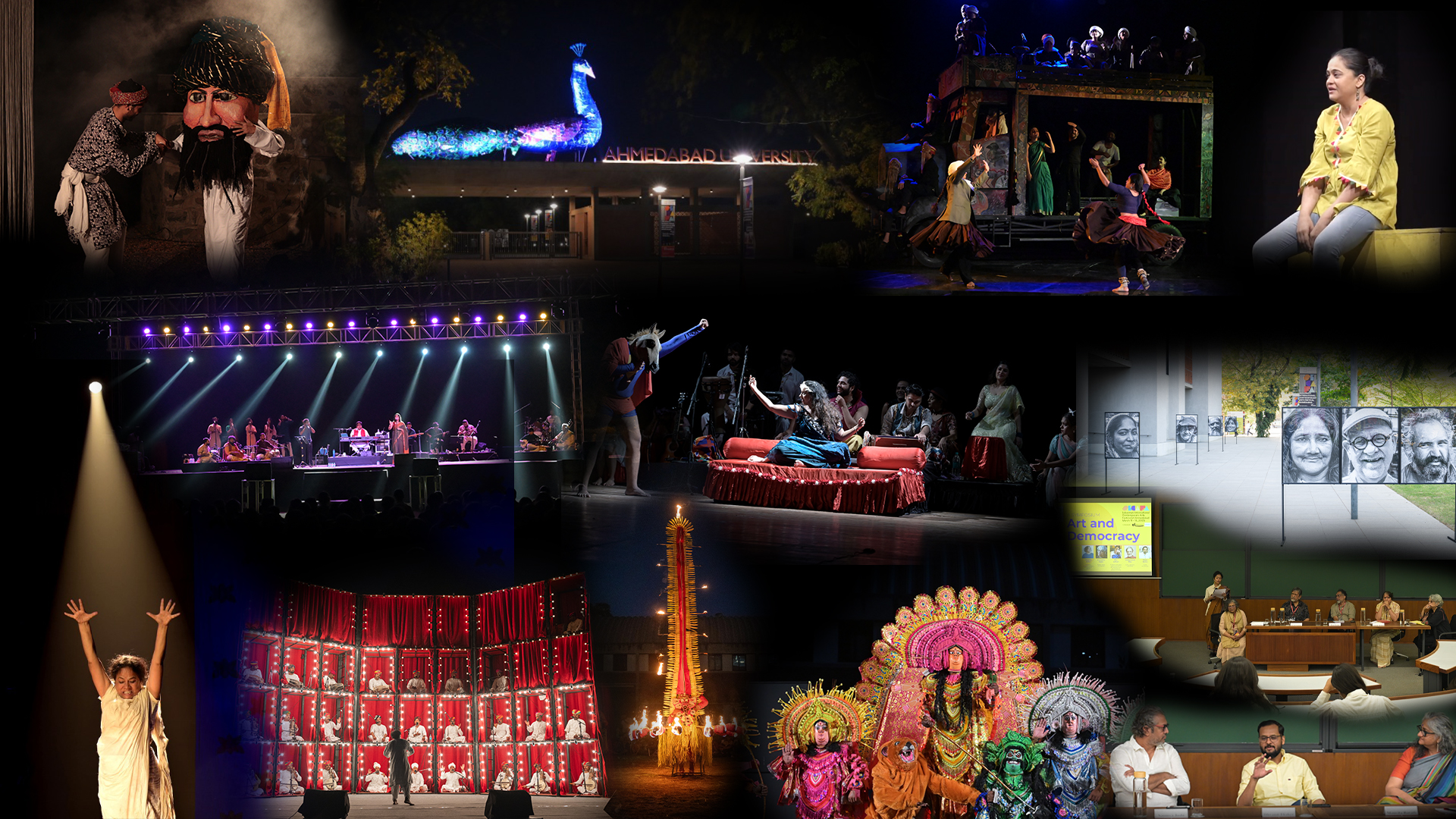
Also, we deepened our engagement with the arts and the city's cultural fabric with the inaugural Sabarmati International Contemporary Arts Festival of Ahmedabad (SICAFA). More than a festival, SICAFA served as a precursor to the establishment of the School of Performing and Visual Arts, thereby reinforcing the University’s commitment to integrating artistic inquiry into its academic and civic mission.
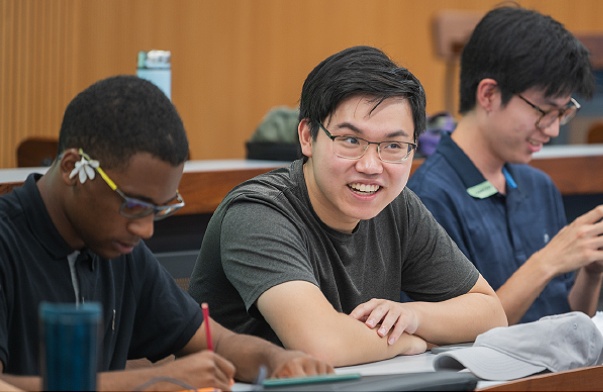
Ahmedabad University and the University of Chicago launched a joint Climate Fellowship Programme bringing together 30 students to study India’s unique climate challenges. Through lectures, field visits, and interactions with policy makers, students explored themes such as heatwaves, the economic impacts of carbon emissions, and gendered vulnerability. The interdisciplinary immersion highlighted how climate change affects the Global South differently, while fostering collaborative learning and actionable insights for mitigation, adaptation, and equitable climate resilience.
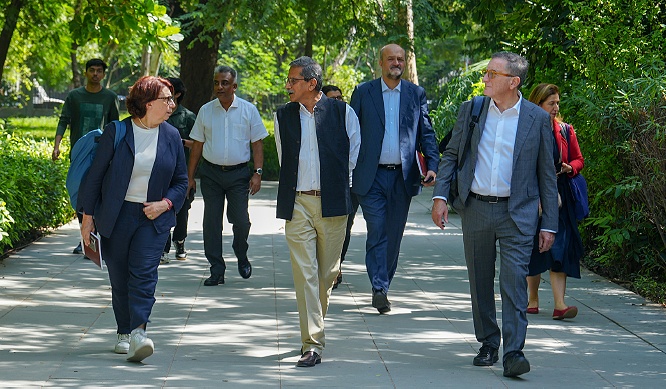
Ahmedabad University and the University of Bergamo have forged a partnership rooted in their shared UNESCO heritage status and a joint commitment to innovation. Moving beyond a formal MoU, the collaboration advances interdisciplinary research, entrepreneurship, sustainability, and heritage studies. A structured ten-point agenda drives faculty–student exchanges, joint programmes, and an SME corridor linking businesses across both cities. The universities also plan civic engagement between the Mayors, strengthening cultural and educational ties.
Ahmedabad University, alongside IIT Gandhinagar and UC San Diego, won the highly competitive bid to establish the GIFT International Fintech Institute (GIFT IFI), a centre poised to redefine learning at the intersection of finance, technology, and policy.
Launched in January 2025 within Gujarat's GIFT City, the Institute delivers adaptive, industry-aligned learning for students and working professionals. This institute positions Ahmedabad University at the forefront of India’s fintech future.
Our faculty, students, alumni, staff, and well-wishers are equally vital in shaping the University's repute, thus building an institution and assembling it in a manner distinct from established models. We are delighted to share a selection of recent accomplishments that illustrate this spirit
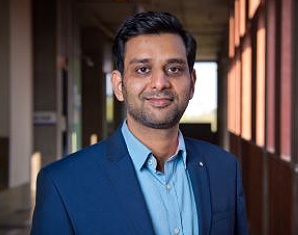
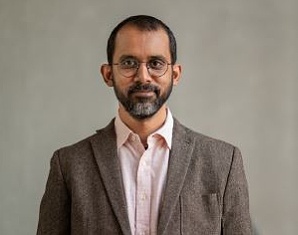
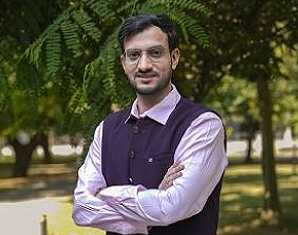

The year concluded with a major literary milestone as Engineering a Nation: TheLife and Career of M. Visvesvaraya, authored by Aparajith Ramnath, Associate Professor at the School of Arts and Sciences, received the Kamaladevi Chattopadhyay NIF Book Prize 2025, recognised as the finest work of non-fictionon modern and contemporary India.
The University's dedication to reimagining the humanities was reaffirmed as Shishir Saxena, Assistant Professor at the School of Arts and Sciences, celebrated for rejuvenating Philosophy and Sanskrit studies, was shortlisted as the "MostInnovative Teacher of the Year" at the Times Higher Education Awards Asia 2025.
The commitment to advancing economic scholarship became evident as RahulRao, Assistant Professor at the Amrut Mody School of Management, wasrecognised with the India Exim Bank IERA Citation 2023 for his research onresource misallocation. His work examined how the strategic reallocation of landand labour can increase real income and productivity in India, offering insights that continue to shape thinking on economic development and policy.
Bringing ecological research into the national spotlight, Devvratsinh Mori, Field Coordinator at the University's Ecology, Evolution, and Climate Change research cluster, served as the youngest expert observer in the 16th Asiatic Lion Population Census, contributing to one of India's most significant wild life assessments.
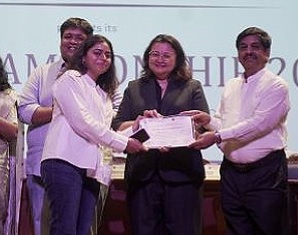
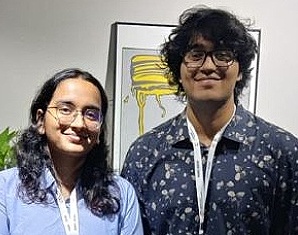

Krisha Anandpara developed an AI-powered, voice-first healthcare system for feature phones to tackle Western Rajasthan's acute doctor shortage. Their Humanin-the-Loop model integrates conversational AI with community health workers to deliver proactive, culturally sensitive care in underserved regions. The innovation earned them 6th place among 1,000+ teams at the SRCC AI for Social Impact Case Championship 2025 and a chapter in the ICAISI Case Book.
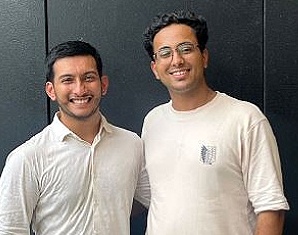
Dhruv Premani and Hariohm Bhatt developed ShapeGAN-DLV3+, a lightweight, high-speed eye-segmentation model that tackles the challenge of limited real-world biometric data through a shape-aware generative pipeline. Achieving 92 per cent accuracy in sclera segmentation in under 25 ms, their innovation won first place at the international Sclera Segmentation Benchmarking Competition 2025, making them the only Indian team on the final leaderboard.
Riddhi Bhargava and Maitreiya Vohra analysed how food delivery platforms shape market efficiency and gig-economy outcomes, addressing concerns around pricing, restaurant margins, and worker welfare. Their study revealed short-term benefits but long-term risks such as rising prices and worker instability, highlighting the need for stronger regulation. Their work won first place at the Meghnad Desai Young Economist Research Competition 2025 among 150+ teams.
A student team led by Devanshee Kansara, created a compact, pocket-sized asthma spacer that improves drug delivery through a uniquely engineered internal geometry, solving the problem of bulky, inefficient conventional spacers. Their validated prototype, developed through rigorous testing and iterative design, won first prize at InventX 2025 (IIT Jammu) with a unanimous 9/9 jury score. The team has also filed provisional patents in India and the US.
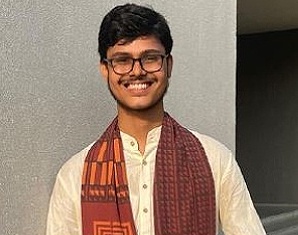
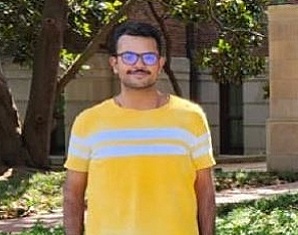

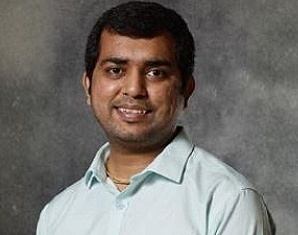
Blending engineering with his passion for sport, BTech alumnus Dhairya Shah developed a computer vision system that analyses Olympic weight lifting technique by correcting camera distortion, classifying snatch trajectories, and generating a 0–4 performance score from key kinematic variables. His research, presented at the International Sports Analytics Conference in China, has advanced athlete injury prevention and performance insights. Dhairya now applies his analytical skills as a Software Development Engineer at Trilogy Innovations.
At just 24, our BS (Hons) graduate Oem Trivedi has become a rising force in cosmology, with 38 research papers and the distinction of being the world’s youngest Fellow of the Royal Astronomical Society. Author of an upcoming volume in World Scientific’s prestigious Cosmology and Astrophysics series, he also earned the Vanderbilt Discovery Doctoral Fellowship, the only Indian selected this year. Oem also contributes to frontier cosmology through the Galileo Research Project at Harvard.
Spotting a gap in fashion delivery, BTech alumnus Deeprajsinh Gohil and his team founded Clozzet, a platform that digitises local fashion stores and brings quick commerce speed to retail. Supported and mentored by VentureStudio, their refined pitch helped Clozzet raise pre-seed funding at a $1.2M valuation. With plans to scale across India, the venture aims to empower small retailers while transforming how fashion is discovered and delivered.
At Ahmedabad University, Brijesh Soni's doctoral research reimagined spectrum management by using machine learning to decode real-world wireless activity, an innovative shift from theory to data-driven analysis. His work on improving Dynamic Spectrum Access led to more adaptive and efficient communication systems, laying the intellectual groundwork for his later breakthroughs in multiband networks. This strong research foundation propelled him to his current role as Assistant Professor at The Ohio State University.
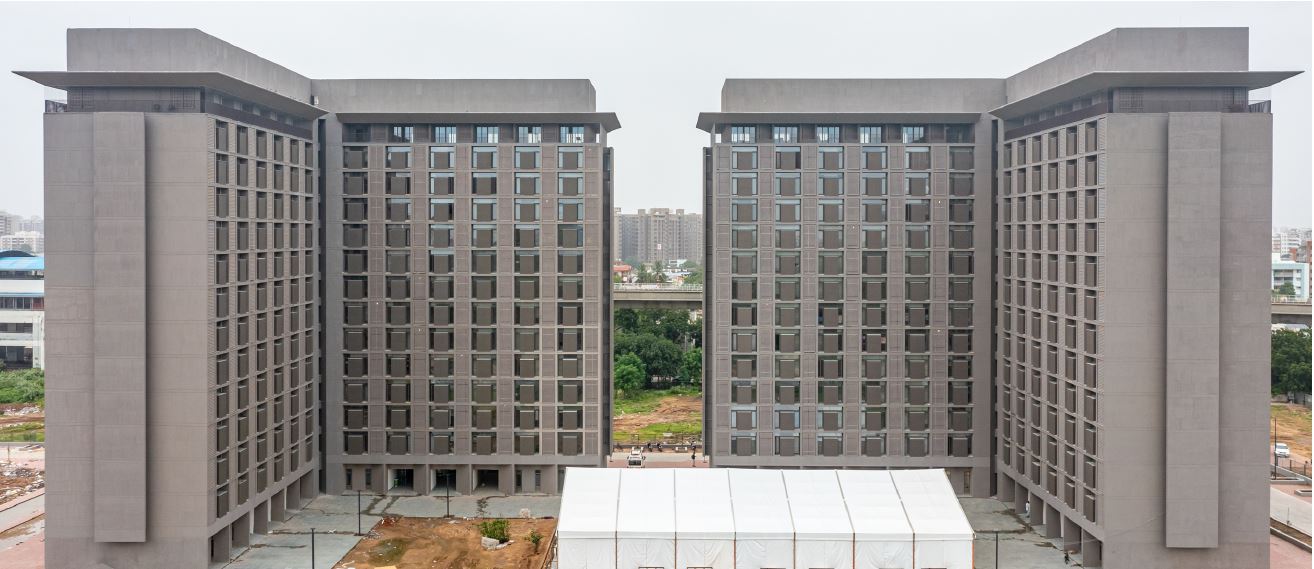
Ahmedabad University's success in building a unique research institution defined by interdisciplinarity, research thinking, and liberal arts values was internationally recognised at the prestigious Times Higher Education (THE) Awards Asia 2025 ceremony in Macao, where it won the Leadership and Management Team of the Year award.
This honour was followed by other accolades, including an Honorable Mention at the International Architecture Awards 2025 for its University Centre. Furthermore, the University has once again been recognised as a Centre for Excellence (CoE) by the Government of Gujarat, this time for a period of six years. This marks the second consecutive recognition.
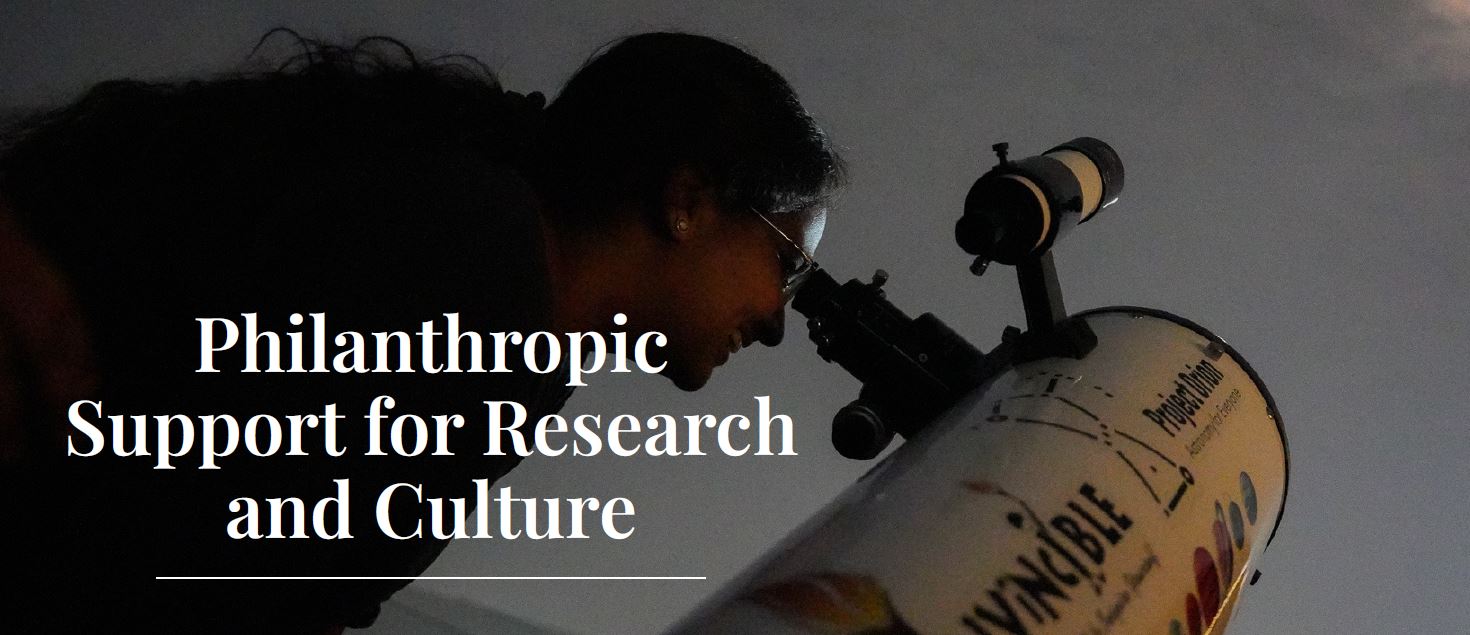
Our pedagogy, geared towards achieving excellence through teaching and research, garnered appreciation from Praful Amin, President of We are All Humans (WAAH), who made a generous donation to the International Centre for Space and Cosmology (ICSC). This support will advance education, academic excellence, and research initiatives at the University.
Ahmedabad University has established a Visiting Chair in Gujarati Literature and a Student Award for Sanskrit Education in memory of the distinguished poet and critic, Professor Ramprasad Shukla. These initiatives were made possible through the generous support of his family members, Priyadarshi Shukla, Distinguished Professor and Chair of the Global Centre for Environment and Energy, and Darshini Mahadevia, Professor in the School of Arts and Sciences.