1 October 2026
An Eco-Friendly Sustainable Method for Removing Wastewater Pollutants
Removing toxic pollutants from wastewater often relies on chemical separation processes that can themselves involve environmentally harmful solvents. Finding safer and more sustainable ways to separate these contaminants is therefore an important challenge in water treatment.
Hosam Kashaea, a doctoral scholar, and Professor Dharamashi Rabari, at the School of Engineering and Applied Science, have developed a new solvent system that could offer a greener approach to removing phenolic compounds, pollutants commonly found in wastewater and associated with toxicity and bioaccumulation.
With useful properties for chemical separation, a hydrophobic deep eutectic solvent is a mixture of choline chloride and octanoic acid that forms a liquid. Unlike many conventional organic solvents, these techniques can be designed using components that are less toxic and biodegradable. The researchers tested their solvent for extracting different phenolic compounds from water. The system achieved an extraction efficiency of 95% for 2,4-dichlorophenol, with performance varying for other compounds, including 2-chlorophenol, o-cresol, phenol and resorcinol, under standard laboratory conditions.
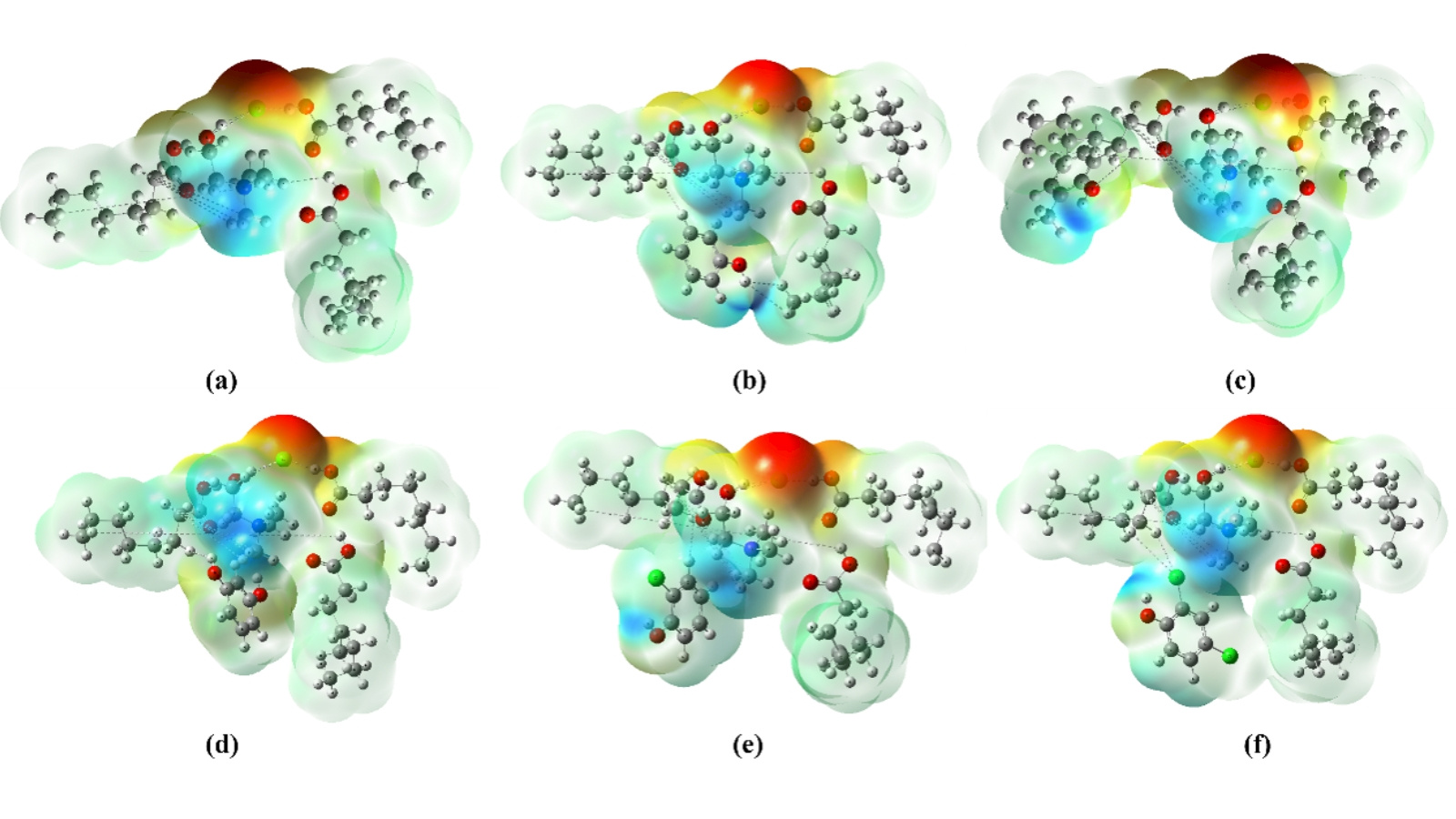
The study also goes beyond demonstrating that the solvent works. Using density functional theory (DFT) calculations, the researchers examined what happens at the molecular level during extraction. Their analysis showed that performance depends not on a single interaction, but on the combined effects of hydrogen bonding, hydrophobic interactions and the tendency of different compounds to remain dissolved in water.
By combining experimental chemistry with molecular-level modelling, the research provides a pathway towards designing safer extraction systems for wastewater treatment, helping move pollutant removal towards more sustainable chemical processes.