23 September 2025
The Next Frontier in Composite Materials and Innovation Explored at CINCE 2025
The NASA ISRO Synthetic Aperture Radar (NISAR) satellite, one of the most sophisticated Earth observation satellites ever built, was launched this July and makes extensive use of composite materials. Developed over 13 years through collaboration between ISRO and NASA, NISAR carries two radars, one built at ISRO’s Space Applications Centre (SAC) in Ahmedabad and the other at NASA’s Jet Propulsion Laboratory in California. Its 12-metre deployable antenna and 9-metre boom were possible only because of the stiffness, lightness, and strength of composite materials.
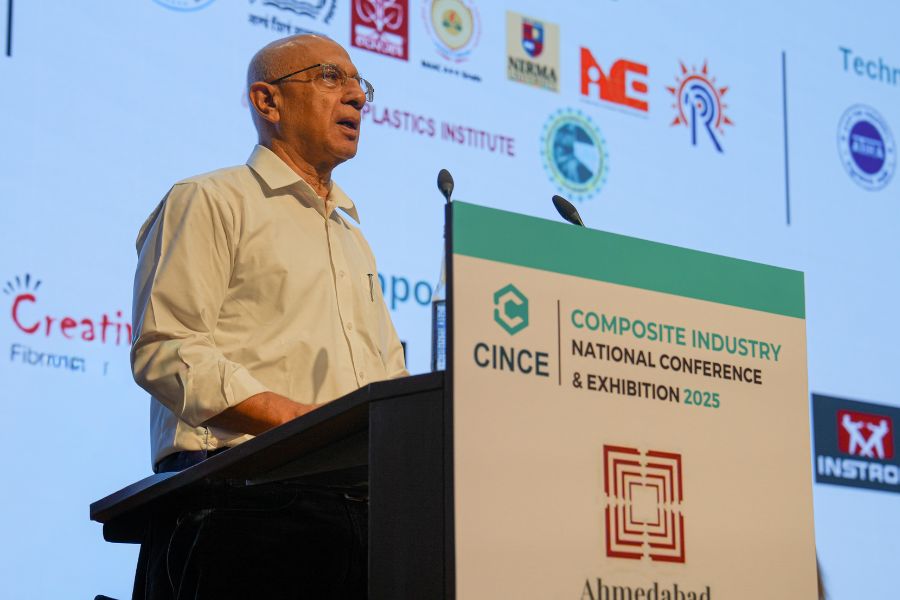
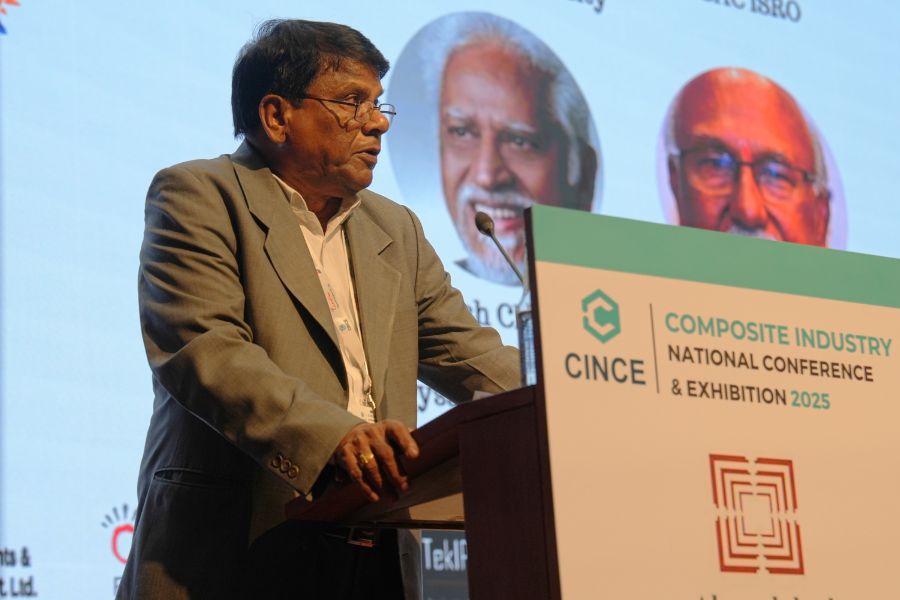
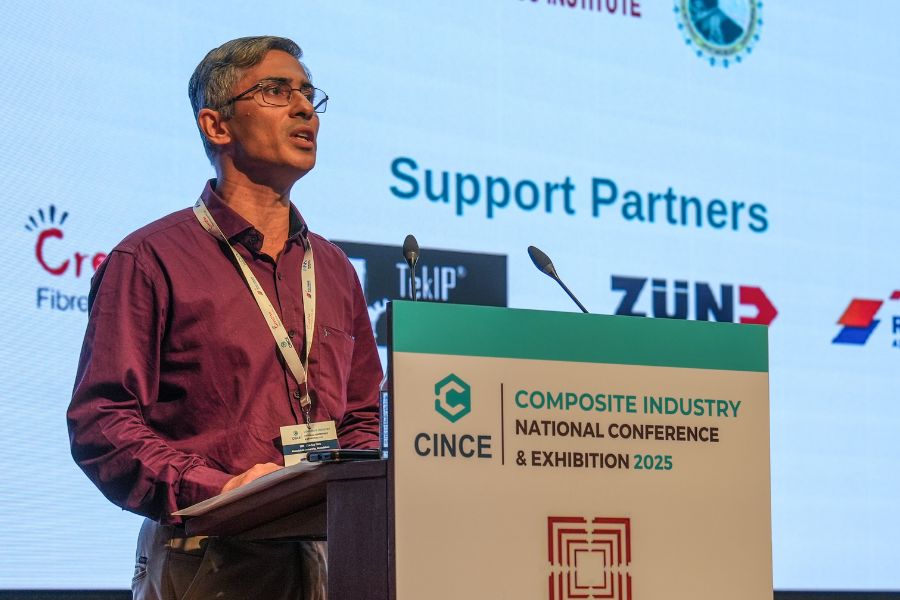
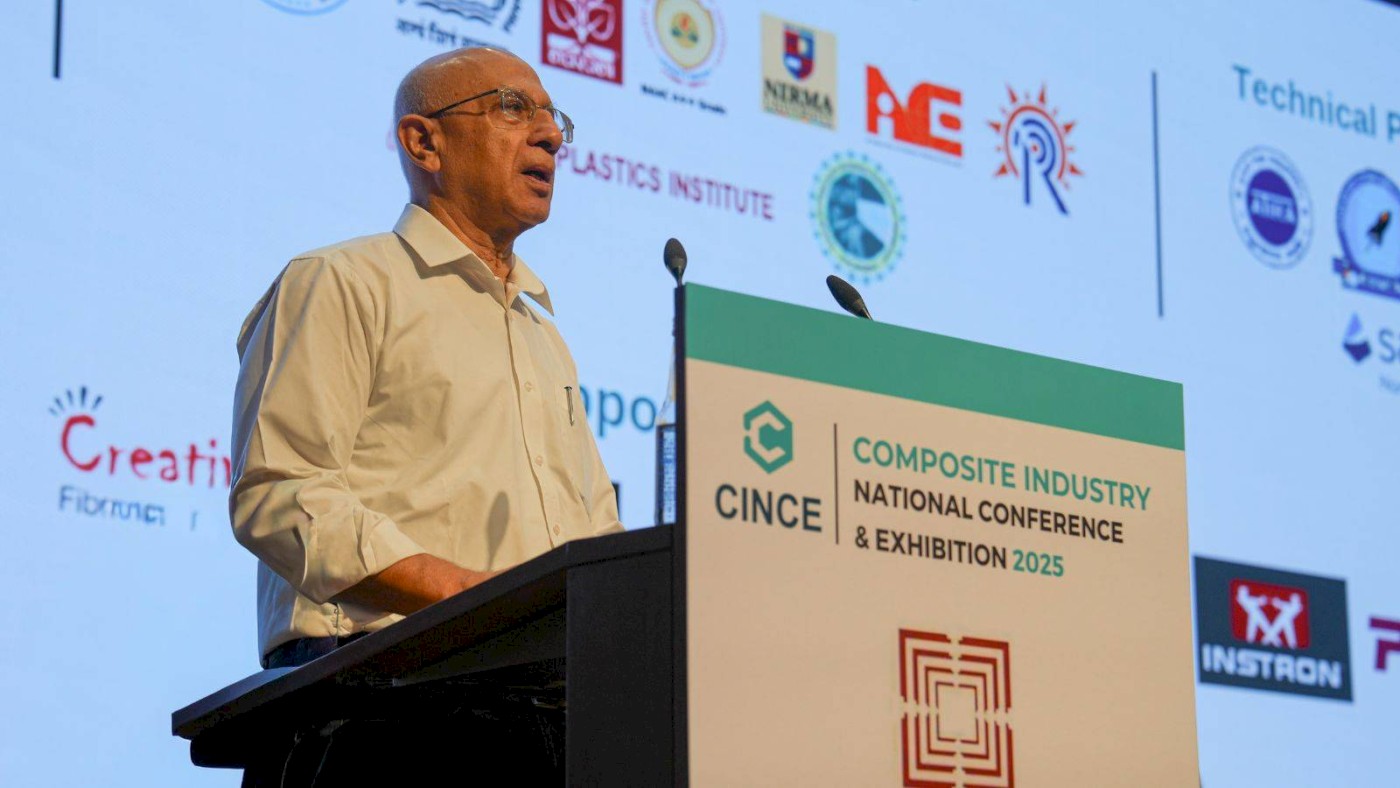
Speaking at the Composites Industries National Conclave and Exhibition (CINCE 2025) hosted at Ahmedabad University, Nilesh M Desai, Director of SAC/ISRO, described NISAR as not only a marvel of engineering but also a mission that could one day help scientists move closer to predicting earthquakes. He also highlighted the expanding role of composites in human spaceflight, India’s planned space station, and hydrogen storage technologies.
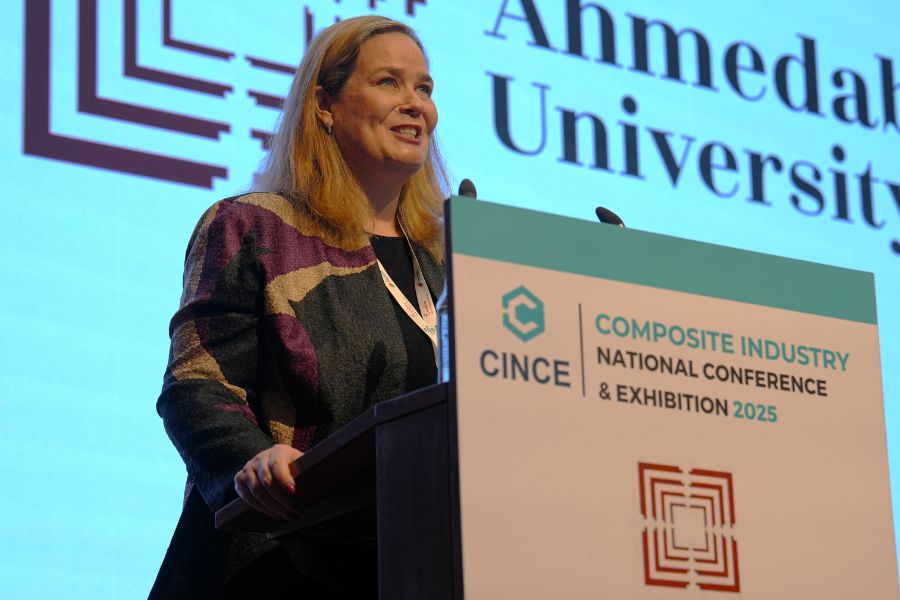
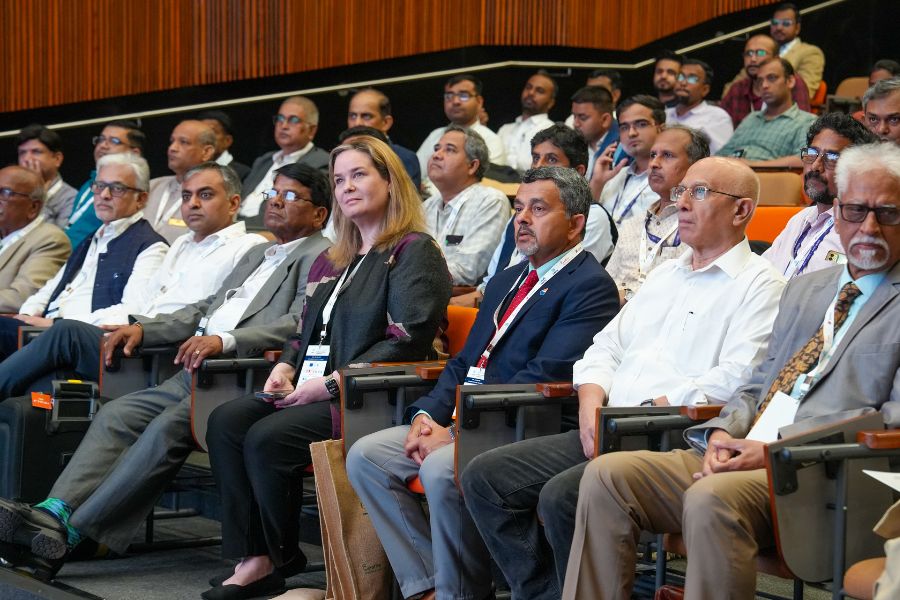
CINCE 2025, organised in collaboration with CECA Asia and the Composites Association, brought together experts from industry, academia, and research institutions to examine how composite materials are moving from specialist use to mainstream applications in aerospace, defence, healthcare, packaging, and clean energy. Over three days, the conclave hosted technical presentations, panel discussions, and case studies on cutting-edge manufacturing research and innovations in advanced composites. Participants from across the composites manufacturing supply chain engaged in dialogue on sustainability, circular economy practices, and the technologies shaping the next generation of materials.
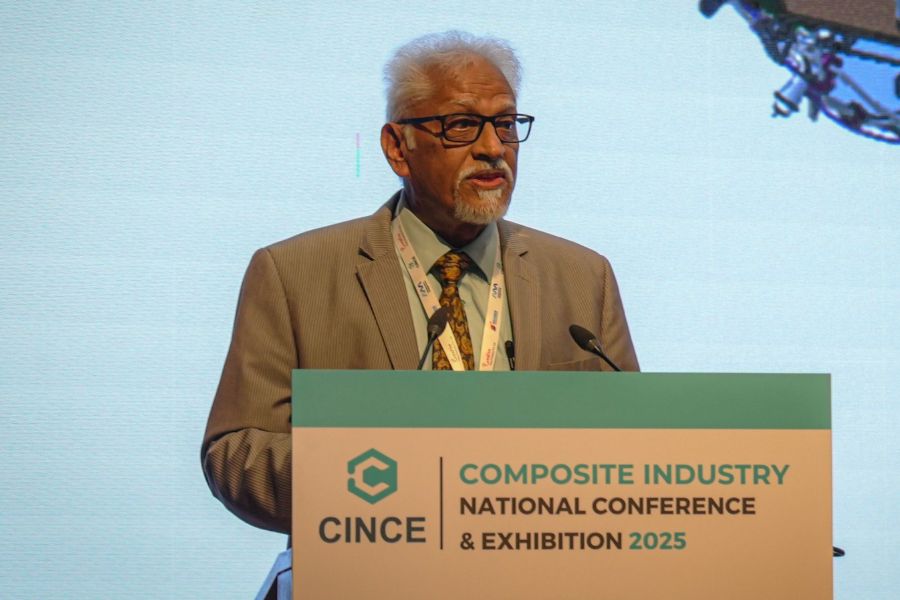
Professor Sunil Kale, Dean of the School of Engineering and Applied Science at Ahmedabad University, spoke about the new MTech in Composites programme, launched in collaboration with the Ahmedabad Textile Industry’s Research Association (ATIRA). He emphasised how the programme integrates research, industry engagement, and hands-on practice to prepare engineers for emerging industry needs.
The conclave underscored how rapidly the field of composites is advancing and why investment in talent, partnerships, and applied research is essential. At Ahmedabad University, this commitment is evident in programmes such as the MTech in Composites, faculty research on composite repair technologies and ballistic performance, and collaborations that connect academic inquiry with industrial innovation.