14 April 2026
Investigating the Scale, Scope, and Consequences of Artificial Intelligence in Society
Can AI be harnessed to pinpoint illegal brick kilns, notorious sources of air pollution? What are the challenges to AI algorithms, a mainstay of modelling in computational drug discovery and finance today? Can they predict rare events? How can AI algorithms be used by brands to predict and improve the visibility of their social media posts? Do people trust the output of generative AI tools like ChatGPT, Claude and Gemini? Can AI be used ethically for improving educational outcomes?
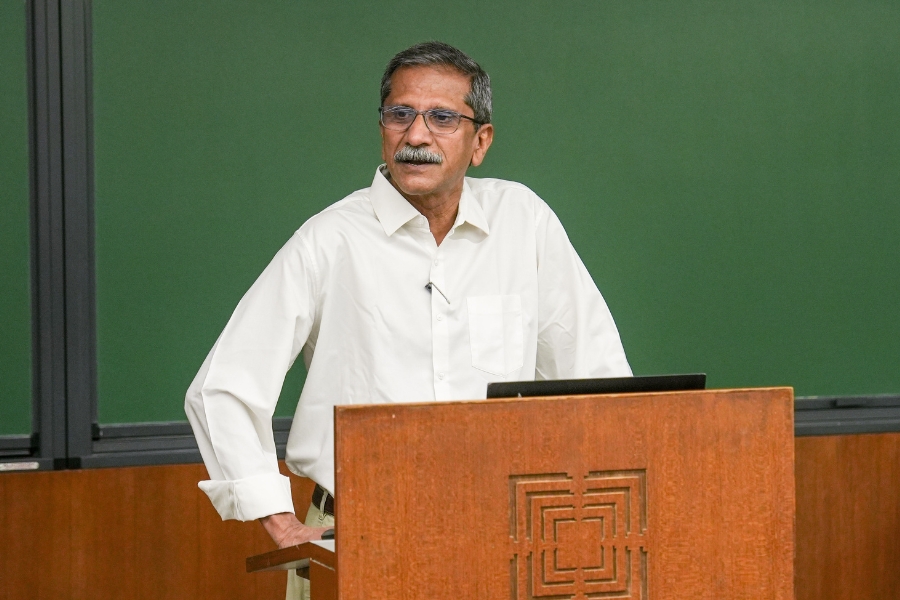
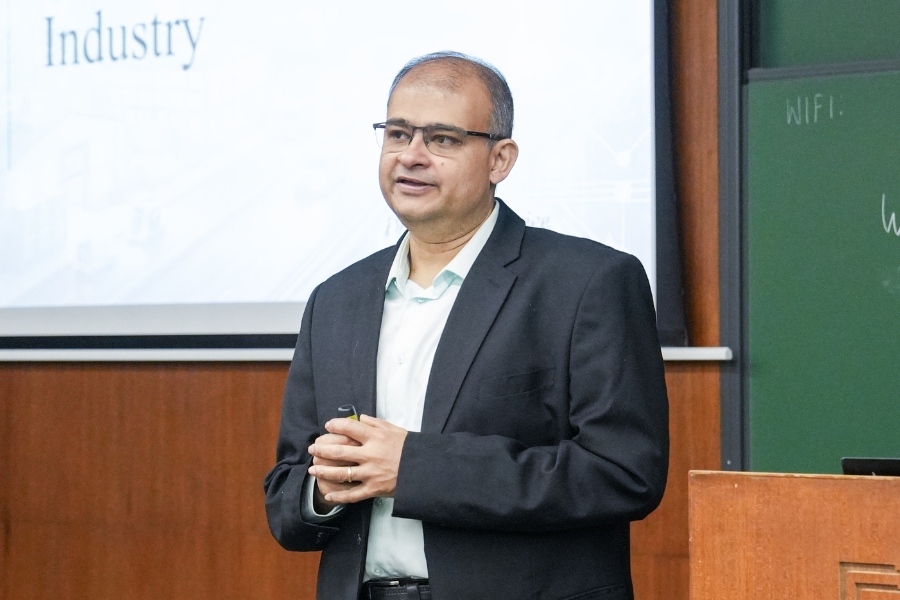
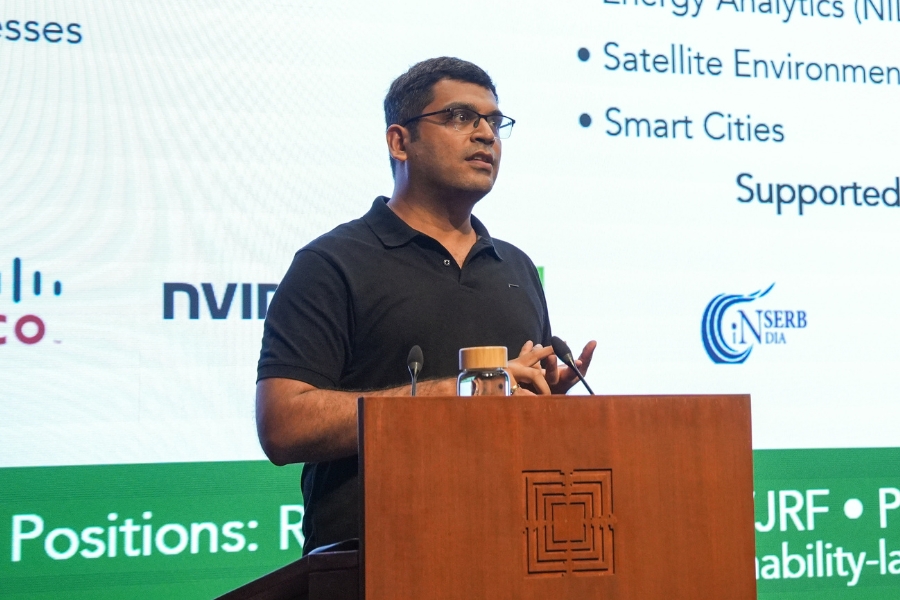
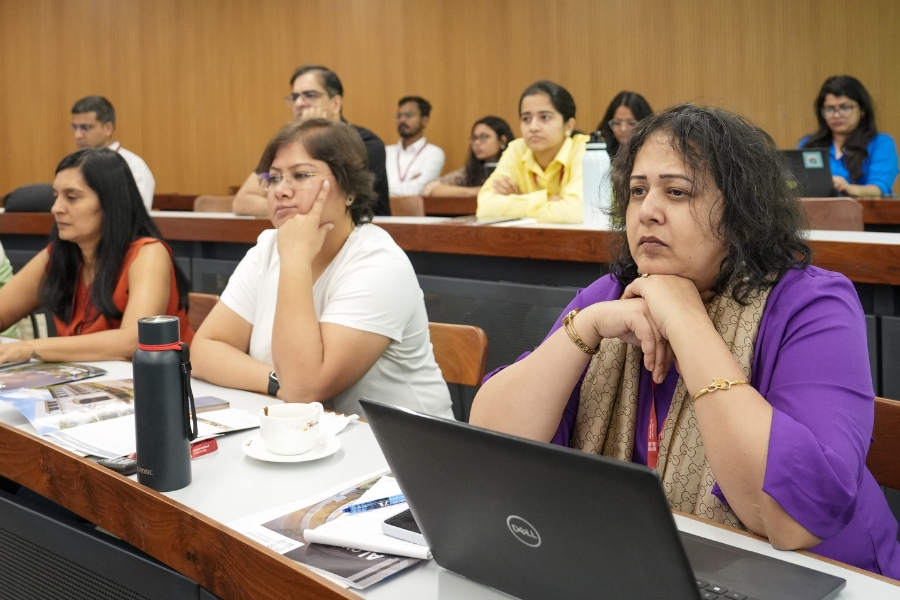
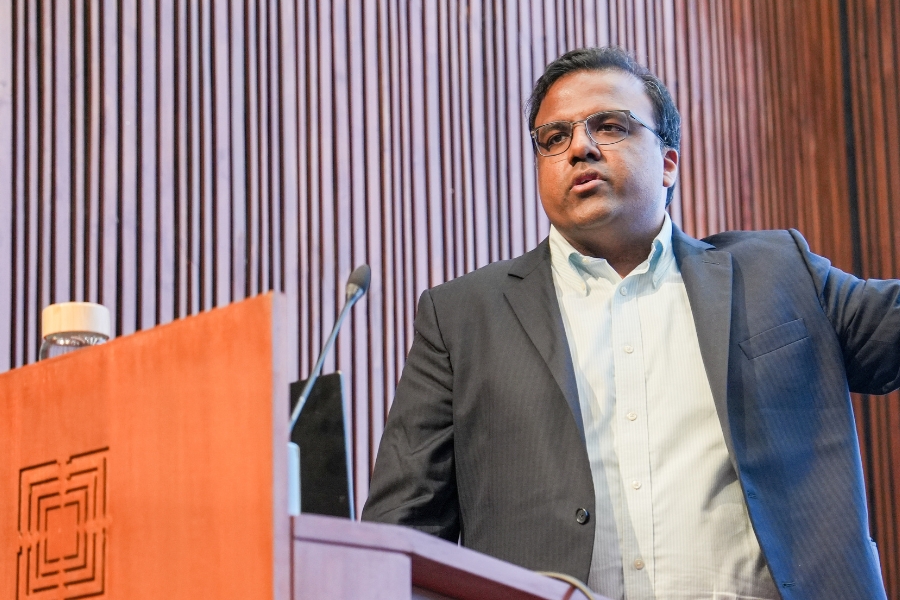
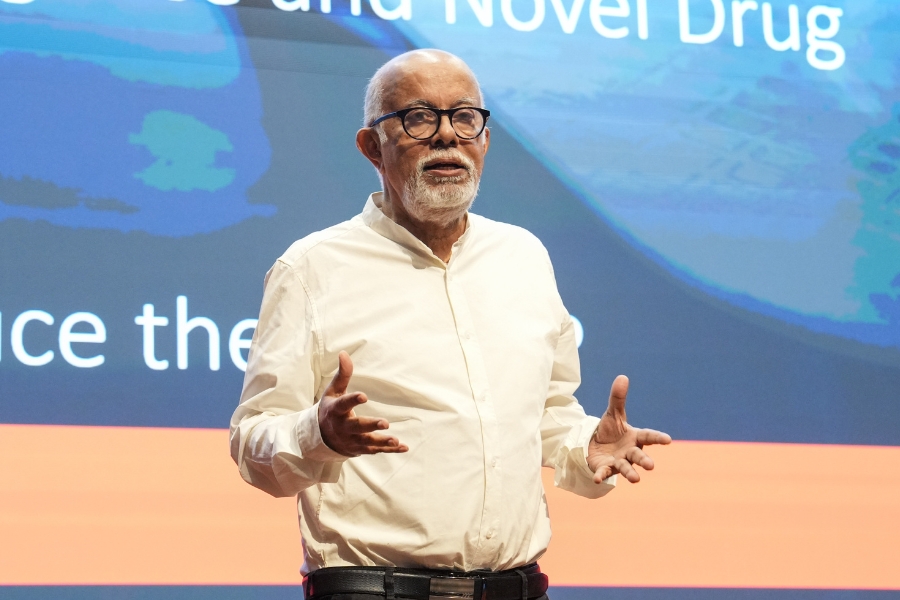
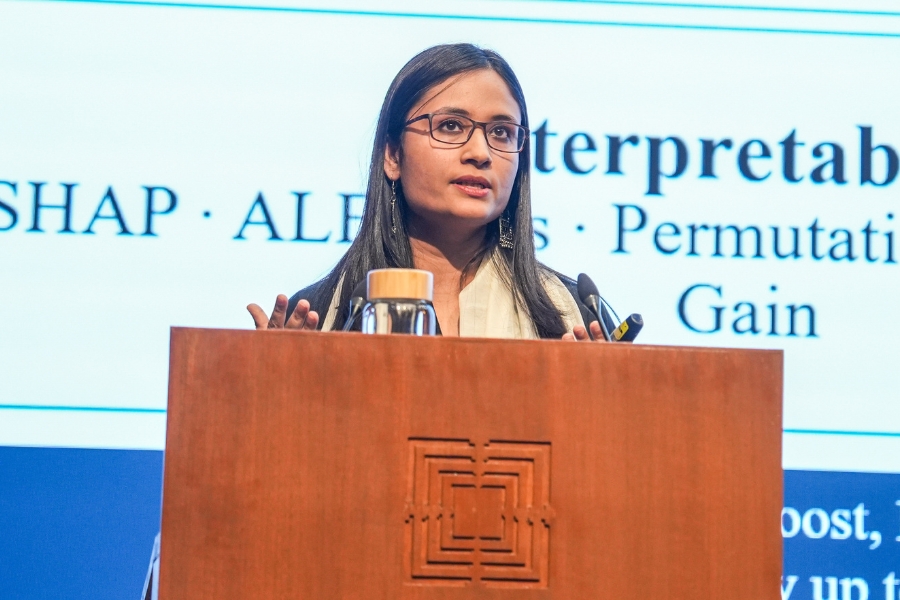
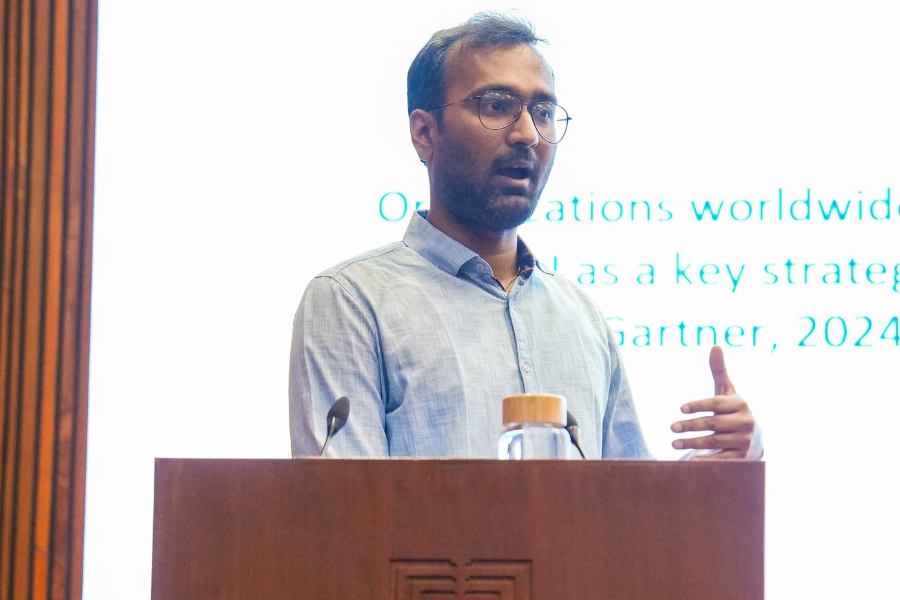
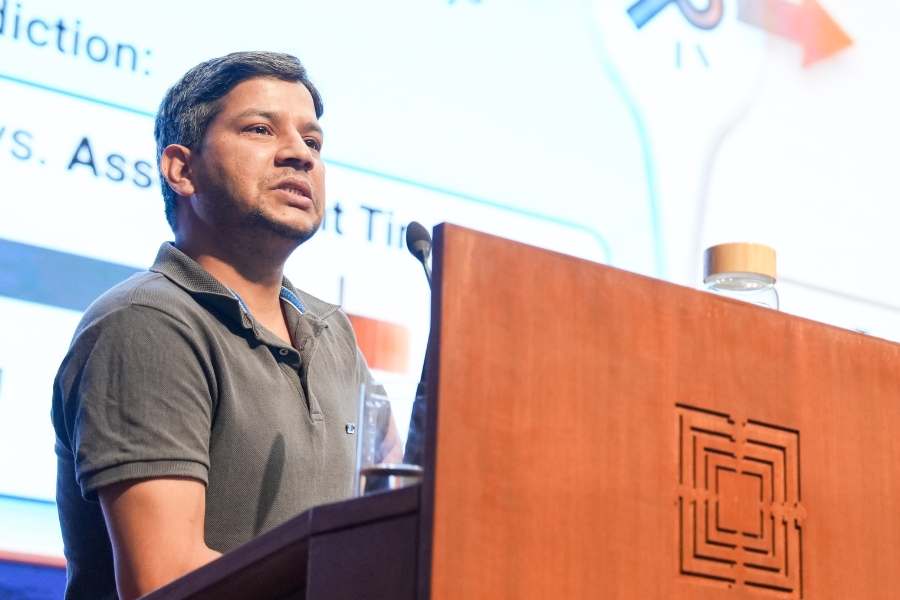
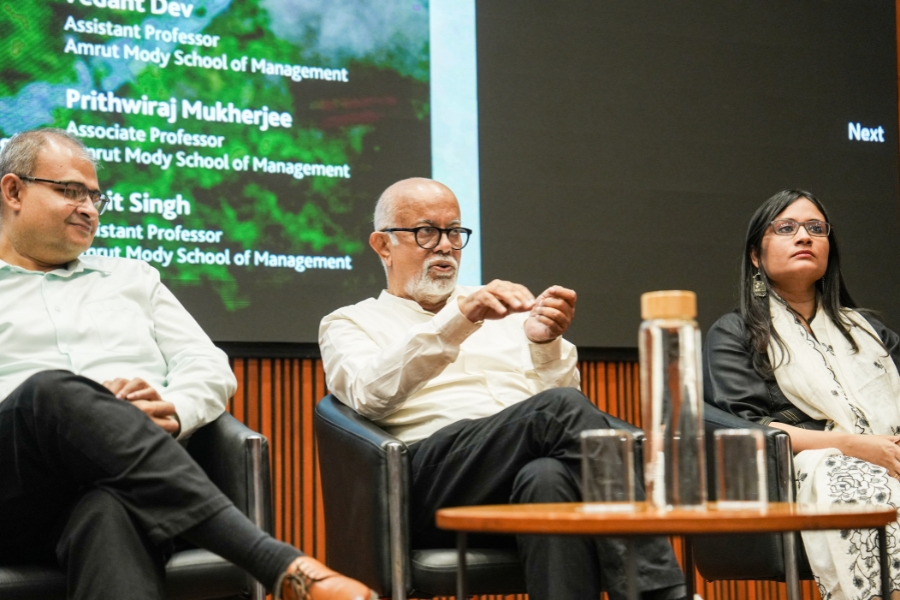
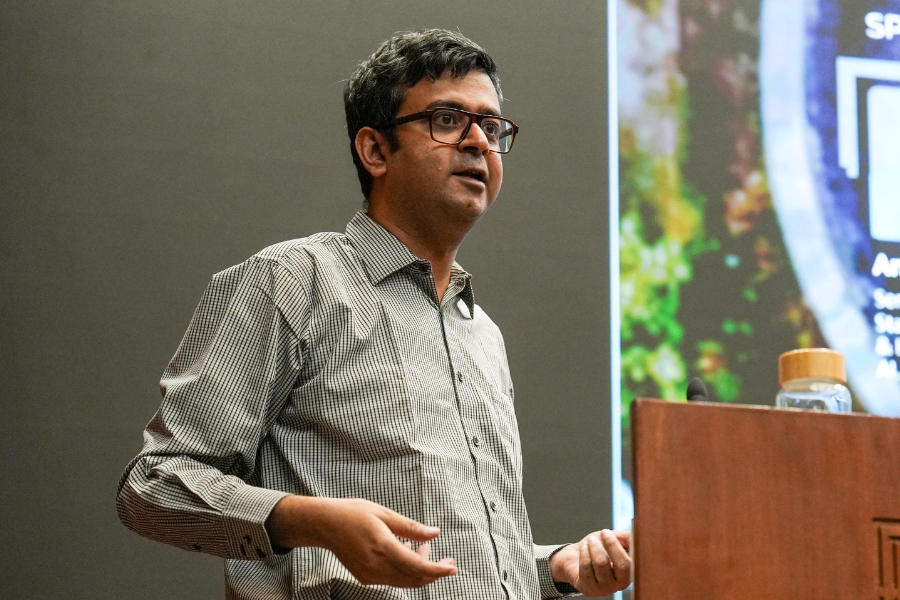
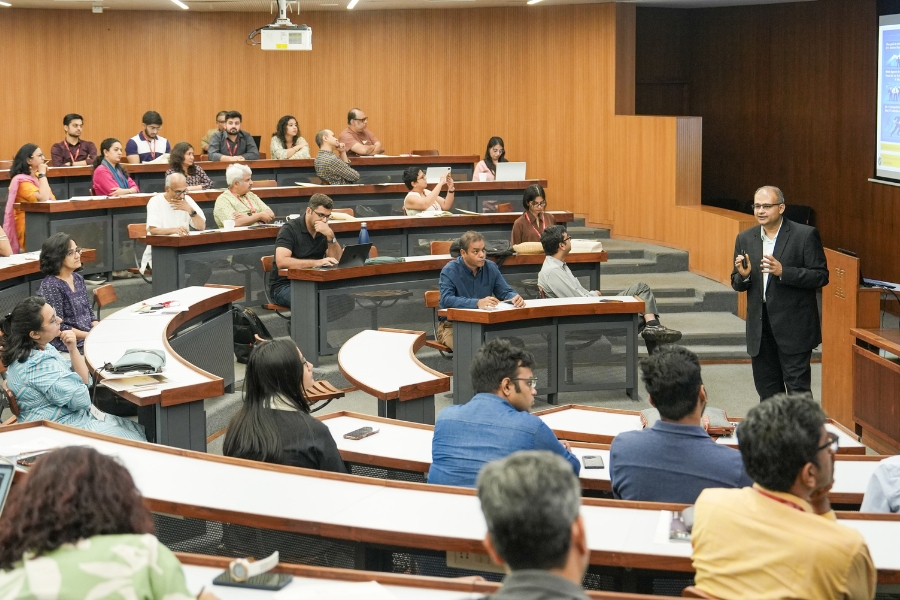
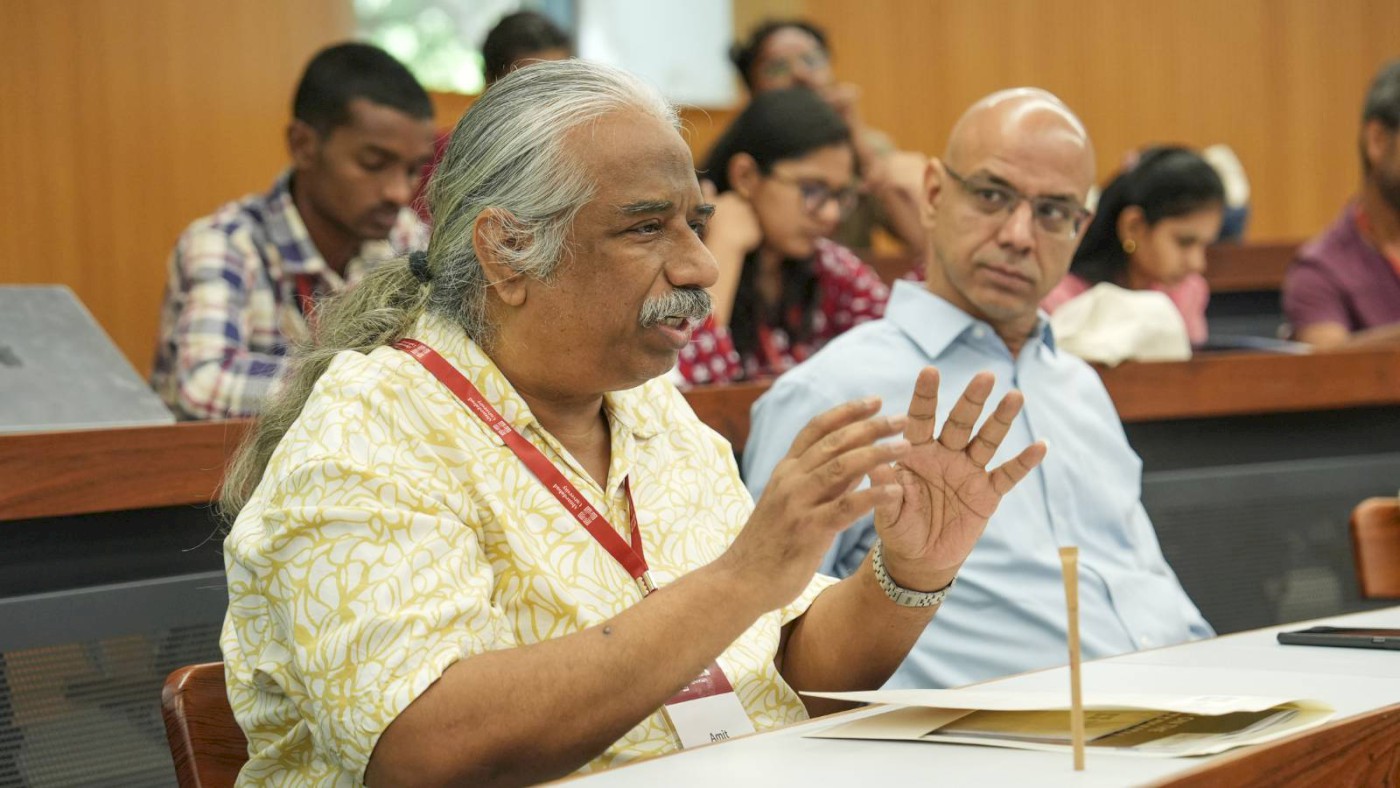
These were some of the questions raised by speakers at AI on the Stepwell, a one-day symposium hosted by Ahmedabad University. Helmed by management school’s faculty members Prithwiraj Mukherjee, Vedant Dev, and Amit Singh, the symposium brought together experts from industry and academia across semiconductors, drug discovery, computer science, information systems, and finance.
The discussions extended beyond conventional engineering and business perspectives to include insights from philosophy, social sciences, and the humanities. Some key insights emerging from the symposium are:
- Arnab Banerjee (Director, AI Solutions and Innovations, Micron Technologies): AI is driving a “tectonic shift” by significantly accelerating workflows in coding, data science, and supply chain management.
- Professor Nipun Batra (Computer Science and Engineering, IIT Gandhinagar): Harnessing AI to detect illegal brick kilns and developing VayuChat, a conversational bot for air quality inquiries.
- Santanu Datta (Drug Discovery Scientist & Co-founder, Bugworks Research): How AI excels at linear modelling but struggles with non-linear complexities and rare events typical of drug side effects.
- Professor Arun Gupta (Finance, AMSOM): Utilising machine learning to model financial risk, demonstrating that incorporating non-linearity improves forecasting in volatile markets.
- Professor Adrija Majumdar (Information Systems, IIM Ahmedabad): Using AI to predict social media brand reach, revealing how gender and age stereotypes still influence content visibility.
- Professor Harshit Kumar Singh (Information Systems, XLRI Jamshedpur): Researching trust in AI “black boxes,” finding that authenticity varies significantly between experts and lay users based on the stakes of the decision.
- Professor Shashi Kant Shankar (School of Arts and Sciences, Ahmedabad University): Exploring the use of generative AI for ethical, responsible decision-making through the interpretation of multimodal educational data.
The symposium also featured a panel discussion on AI in the workplace, where panellists examined its impact on white-collar professions such as coding, consulting, scientific research, and writing. There was broad consensus that, despite the rapid expansion of AI in professional settings, the human element, along with a strong grounding in conceptual fundamentals, will remain key in helping students and professionals differentiate themselves.
The panellists also addressed broader concerns, including the environmental impact of large-scale data centres, particularly in relation to climate change and water scarcity. They emphasised the need to develop more sustainable alternatives to the energy-intensive computing systems currently driving the AI revolution.
As the conversations at the symposium highlighted, the future of AI lies not only in advancing productivity and efficiency but in shaping how knowledge is created, shared, and applied across disciplines. While its expanding capabilities offer immense opportunities for research and innovation, they must be balanced with a critical awareness of environmental costs, infrastructural demands, and ethical use, especially in educational contexts. In bringing these perspectives together, the initiative reflects Ahmedabad University’s commitment to engaging AI not just as a tool, but as a subject of thoughtful, interdisciplinary inquiry across research, pedagogy, and practice.