In today's dynamic business environment, organisations seek MBA graduates who can view the enterprise holistically, integrating diverse functional areas to drive sustainable results. Employers value professionals who are apt problem-solvers, capable of navigating ambiguity and making informed decisions in unpredictable situations.
In response to these expectations, the Focused and Integrative Experiential Learning and Development (FIELD) Project aims to seamlessly blend functional knowledge with real-world business practices, preparing students to lead with clarity and confidence. As a credited, compulsory course, the FIELD Project is a core part of every second-year student's journey at Amrut Mody School of Management.
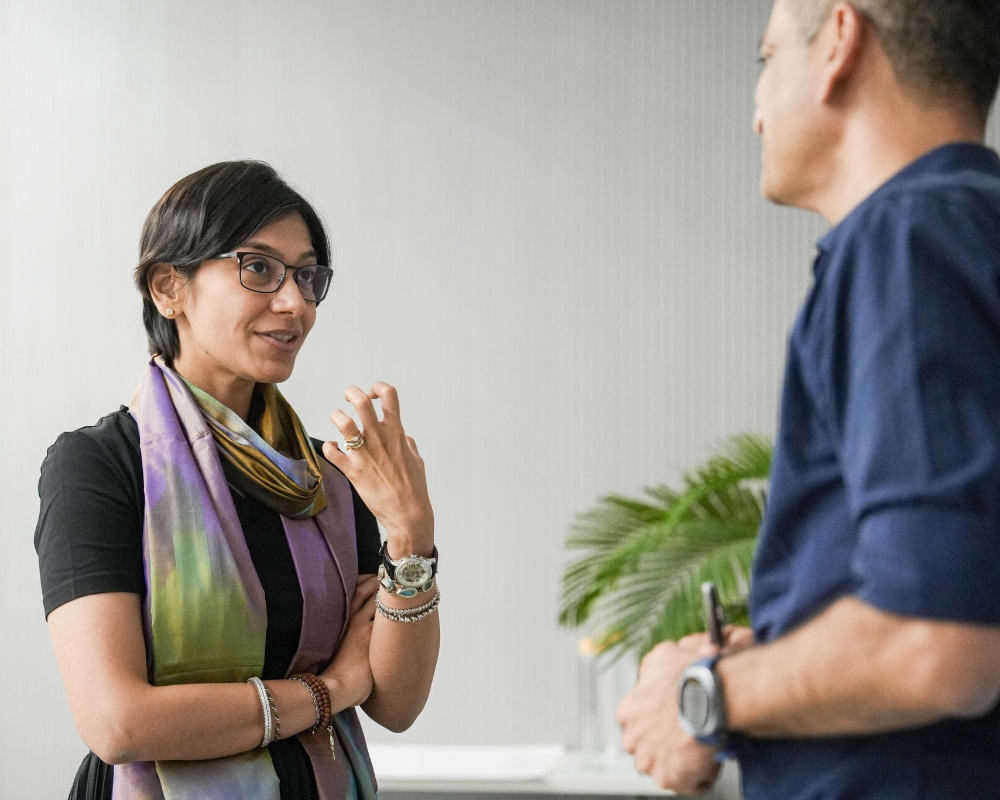
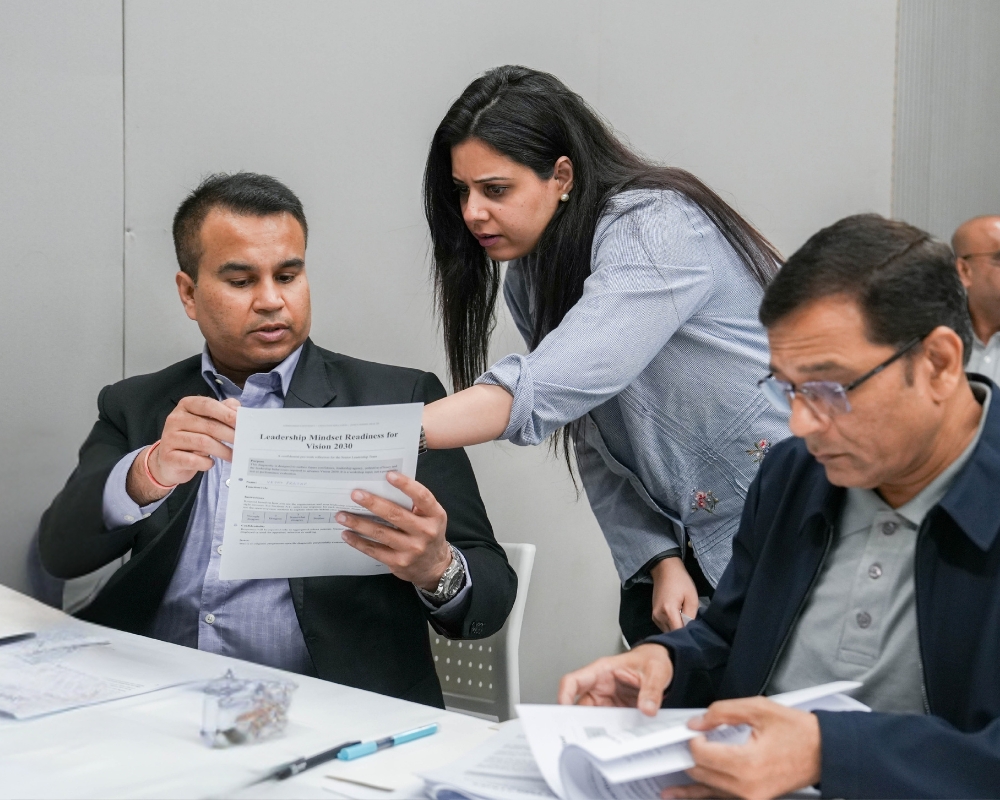
These projects are sourced from organisations, and students form teams of four to five members and select the project of interest to each team member. Each project is executed by a team of Amrut Mody School of Management's second-year students, under the guidance of the Faculty Mentor (FM) and a Client Mentor (CM).
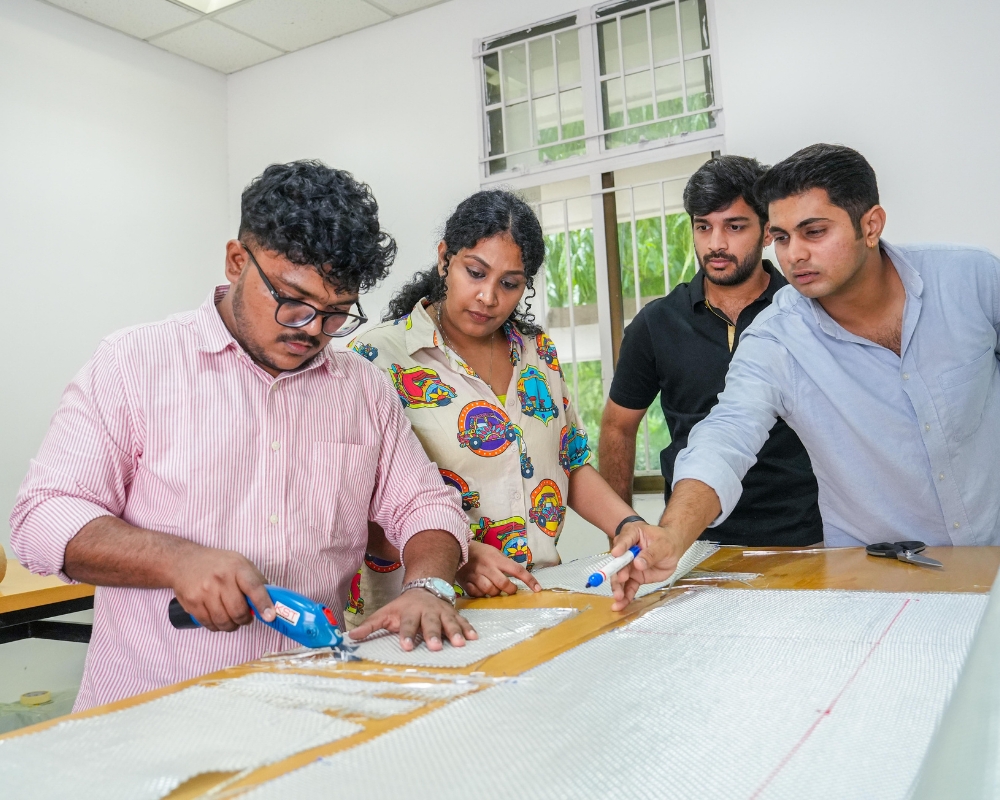
Experiential learning or immersive learning is core to the FIELD Project. To facilitate experiential learning, the project includes mandatory fieldwork, as appropriate. The fieldwork gives ample opportunities for students to understand field-level managerial challenges in solving live, real-world problems. Each team is required to demonstrate measurable project outcomes for their client organisation and obtain a certificate from their client mentor confirming their success.
We have had the privilege of collaborating on impactful, real-world projects across a diverse array of sectors, including Education, Real Estate, NGOs, Healthcare, Hospitality, FMCG, F&B, Pharmaceuticals, Tourism, Consulting, IT, and FinTech.
Why Experiential Learning?
Experiential learning is essential to bridge the gap between traditional textbook theory and the practical demands of today's fast-changing job market. Practical skills, live projects, and hands-on problem-solving give aspiring graduates tangible portfolio proof to compete for corporate roles. Employers want job-ready candidates who can add value from day one.
Real-world consulting projects, simulations, and internships transform passive learners into agile decision-makers. Rote memorisation cannot teach leadership, adaptability, or emotional intelligence under pressure. Handling crises or managing team dynamics builds workplace confidence. Live corporate interactions and mentorship help students build crucial professional connections outside their immediate campus environment.
Learning Outcomes
The FIELD Project has three learning outcomes that guide students' growth through hands-on, real-world work. Each one is backed by a set of focus areas that together shape practical, thoughtful, and collaborative learners.
The table below breaks down each outcome and what it focuses on.
Integrative Knowledge & Agility
- Knowledge Application
- Research Methodology
- Solving Real-World Problems
- Technical Agility
- Measurable Project Outcomes
Collaborative Leadership
- Interpersonal Skills
- Communication
- Teamwork
- Storytelling
Critical Reflection
- Lifelong Learning
- Self-Assessment through Reflections
- Critical Thinking
- Innovation
- Project Management
- Assessment of Social Impact
Pedagogy
The pedagogy is unique in nature: interactive, inclusive, reflective, and impactful. It fosters interdisciplinarity by bringing together students and faculty from diverse backgrounds to work on and mentor real-world problems, integrating perspectives from multiple disciplines.
Learning happens through student interactions with:
- Their own team members
- Group meetings (student teams, FM, CM)
- Fieldwork under the guidance of CMs
- Faculty and students from diverse fields, promoting interdisciplinarity
Field Immersion
The FIELD Project provides two field immersions to expose the students to field-level challenges in solving real-world problems.
Field Immersion 1: A Pilot Study
Three working days, during which the students get an opportunity to undertake a pilot study. Pilot study findings provide valuable input for students to develop their project proposals.
The design of the pilot study may include:
- A clear statement of the project objectives and deliverables,
- A clearly defined measurable Impact Indicator,
- Field data requirements for project deliverables,
- Proposed methodology for data collection and analysis,
- Establish a methodology for project execution and
- Measurement and demonstration of the proposed impact indicator.
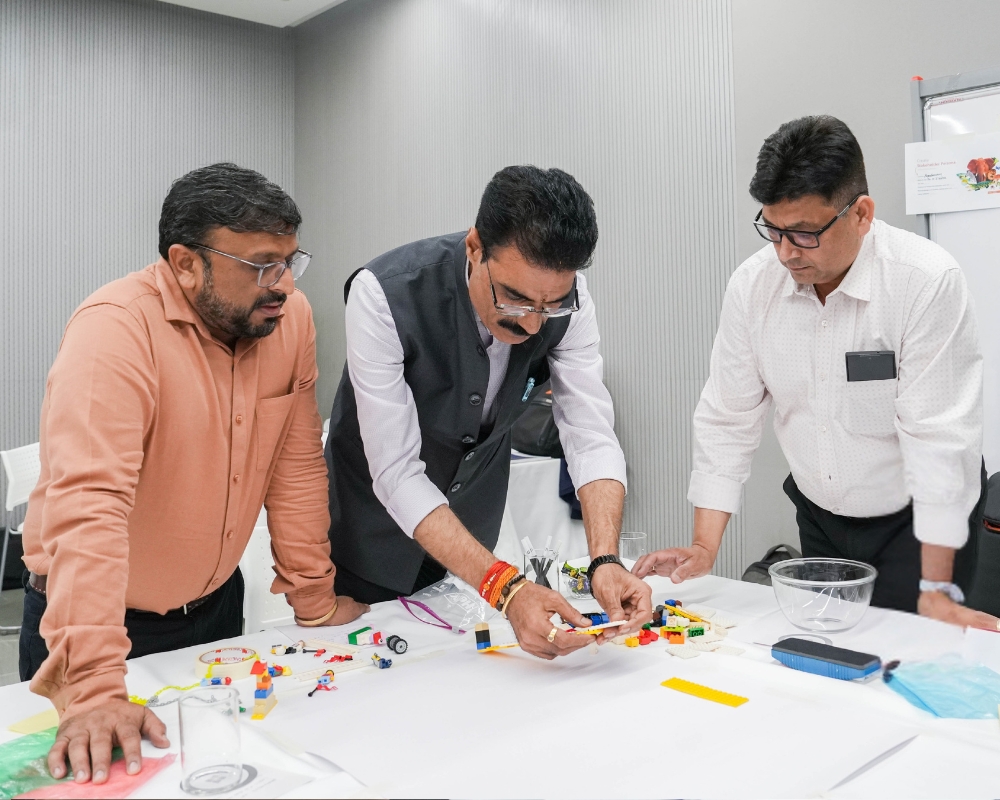
Field Immersion 2: Project Execution
Three working days, during which the student teams can complete the project execution. This will provide students with an opportunity to gain field experience solving real-world problems. Each student team will also set up a system to facilitate the CM's measurement of outcomes over a 4–6 week period (in March).
Blogs
Stories and reflections from FIELD Project teams.
Real Problems. Real Clients. Real You! FIELD Projects at AMSOM
Read more >
People
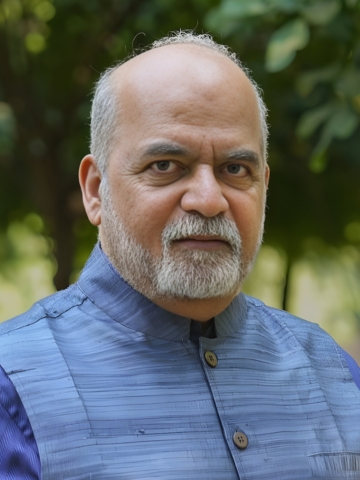
SATISH DESHPANDE
Chief Mentor
FIELD Project

KUNAL PANDYA
Manager
FIELD Project
Contact Us
Have a project you've always wanted to get done but never had the resources or time to pursue? Share it with us!
Email us at routecamp@ahduni.edu.in for any further information.