7 October 2026
Student-led research on English Language Learning Models Through the Vernacular Secures ICSSR Grant
Nearly eight decades after Independence, English-language education in India continues to operate within frameworks shaped by colonial learning models. These frameworks can create language barriers and learning anxieties for students from vernacular-medium backgrounds, even as English remains central to education and professional opportunities.
While the National Education Policy (NEP) 2020 advocates multilingualism in education, there is still limited empirical research on how decolonised, multilingual classroom practices can be developed and studied in practice. This gap shifts the focus to whether one can leverage vernacular languages not as obstacles to English proficiency but as cognitive and pedagogical bridges.
This question forms the basis of An Ecosystem of Inclusive Language Education: Decolonising English Language Pedagogy through the Madhyam Gujarati Uttam Angrezi (MGUA) Initiative, a research project led by Juhi Jani, along with Siddhi Rathod, from the BA (Hons) Class of 2027, under the supervision of Professor Tana Trivedi.
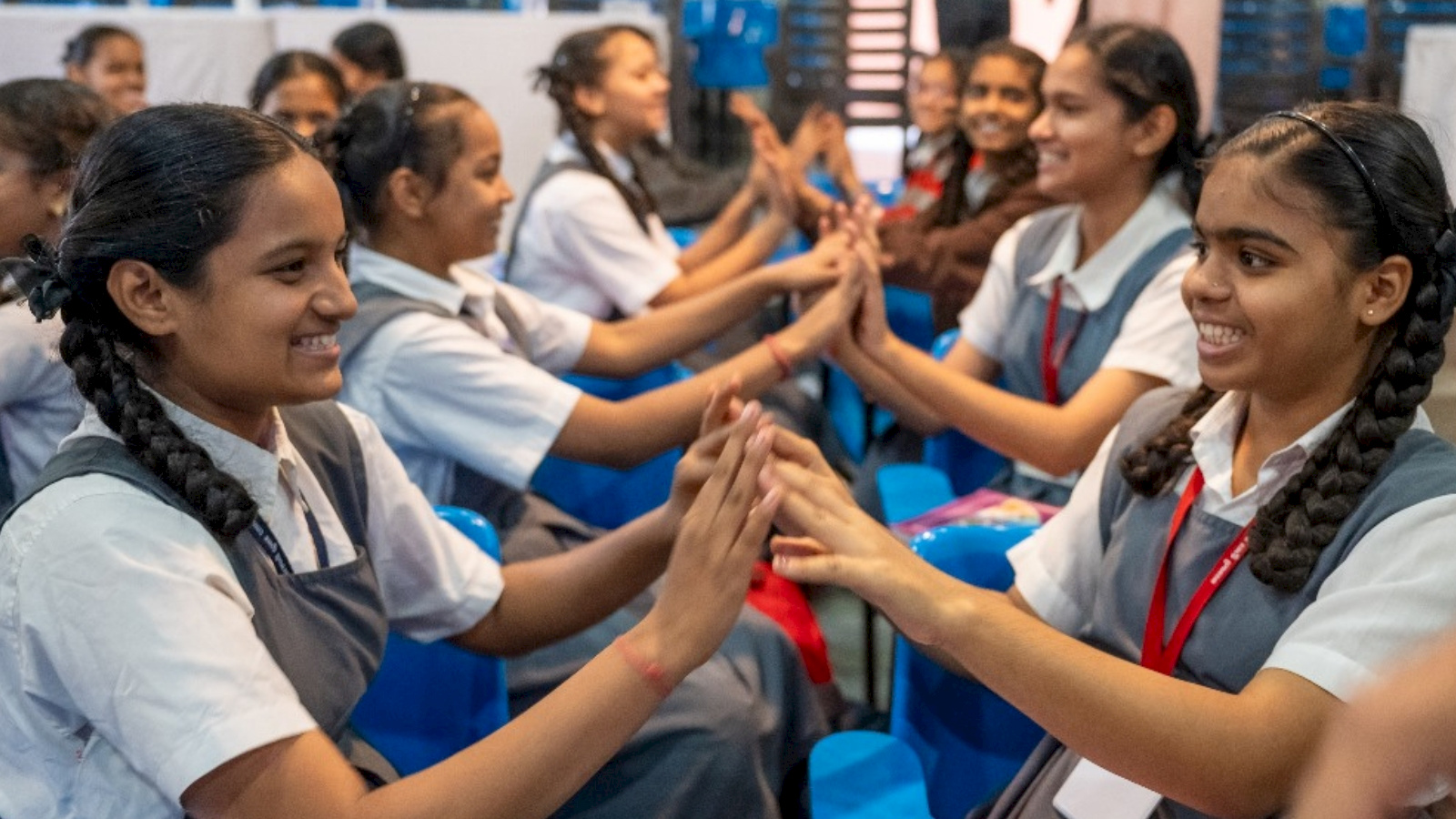
The project examines the Madhyam Gujarati Uttam Angrezi (MGUA) initiative as a living laboratory for exploring inclusive approaches to English language education. At its core is the use of translanguaging, in which Gujarati can serve as a cognitive bridge for students to learn and communicate in English. Instead of treating the vernacular as separate from or secondary to English, the research examines how movement between languages can support learning and reshape classroom practices.
The study is expected to contribute to a deeper understanding of how language is acquired, taught, and used in multilingual educational contexts. The project aims to make English education more accessible to students from diverse linguistic backgrounds. It also intends to rethink language education in a postcolonial context.
The project has received a grant from the Indian Council of Social Science Research (ICSSR) Yuva Shodh Pratibha Scheme under the theme “Youth and Decolonisation.” The grant will support the research and enable further investigation into the MGUA initiative and its potential as a model for decolonised language pedagogy.
The work reflects Ahmedabad University’s commitment to creating opportunities for students and researchers to engage with contemporary questions through interdisciplinary and research-led approaches. It also emphasises the University’s priority on examining education, language, and society from perspectives grounded in local contexts while engaging with broader global conversations.