Independent Study Period 2025
The 2025 Independent Study Period brought together students and faculty across disciplines to explore questions at the intersection of health, technology, creativity, climate, and heritage. Some of the courses offered included:
3D Printing/Additive Manufacturing for Healthcare
Can medical imaging be transformed into physical models that help us understand and treat complex medical conditions?
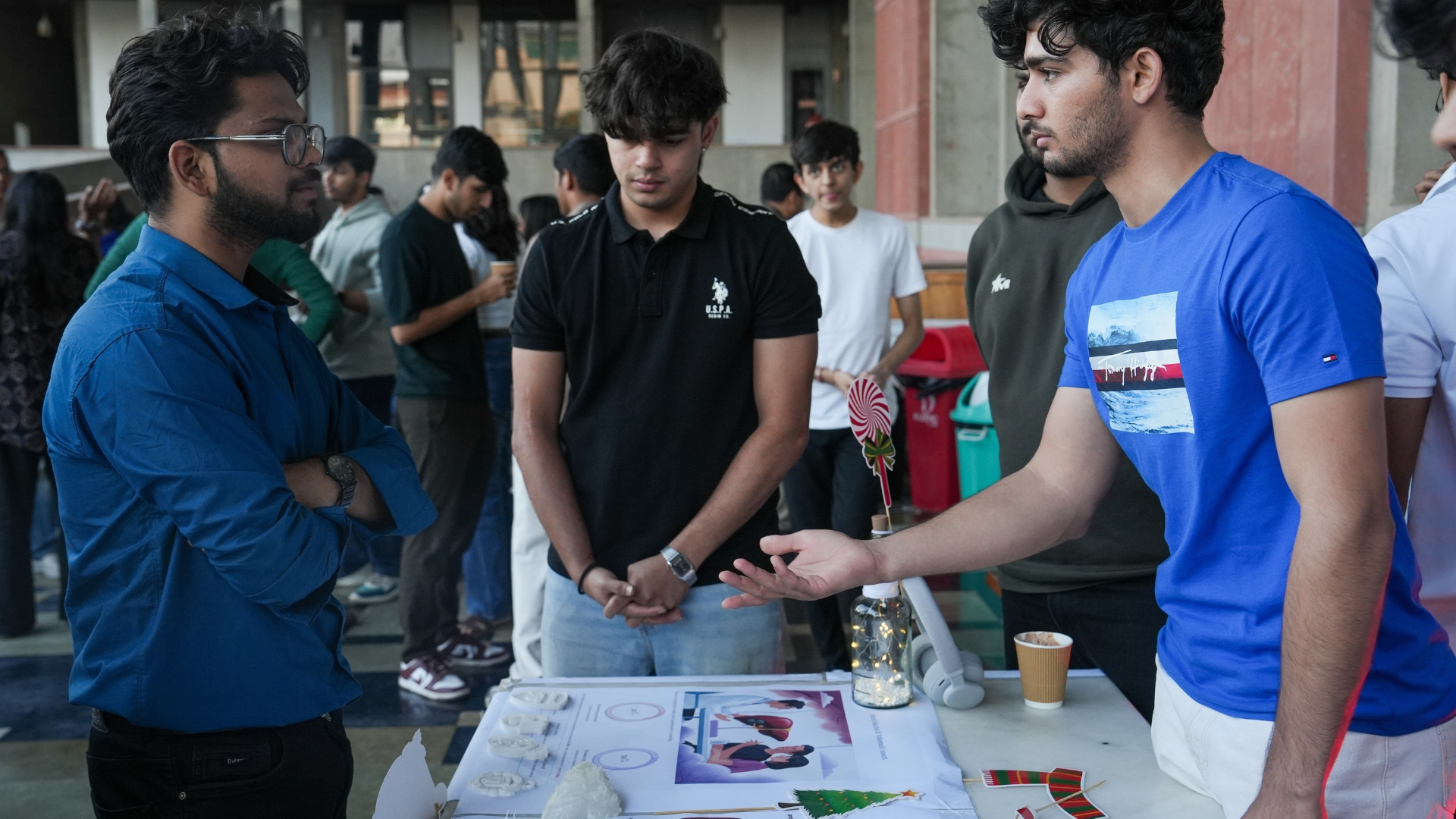
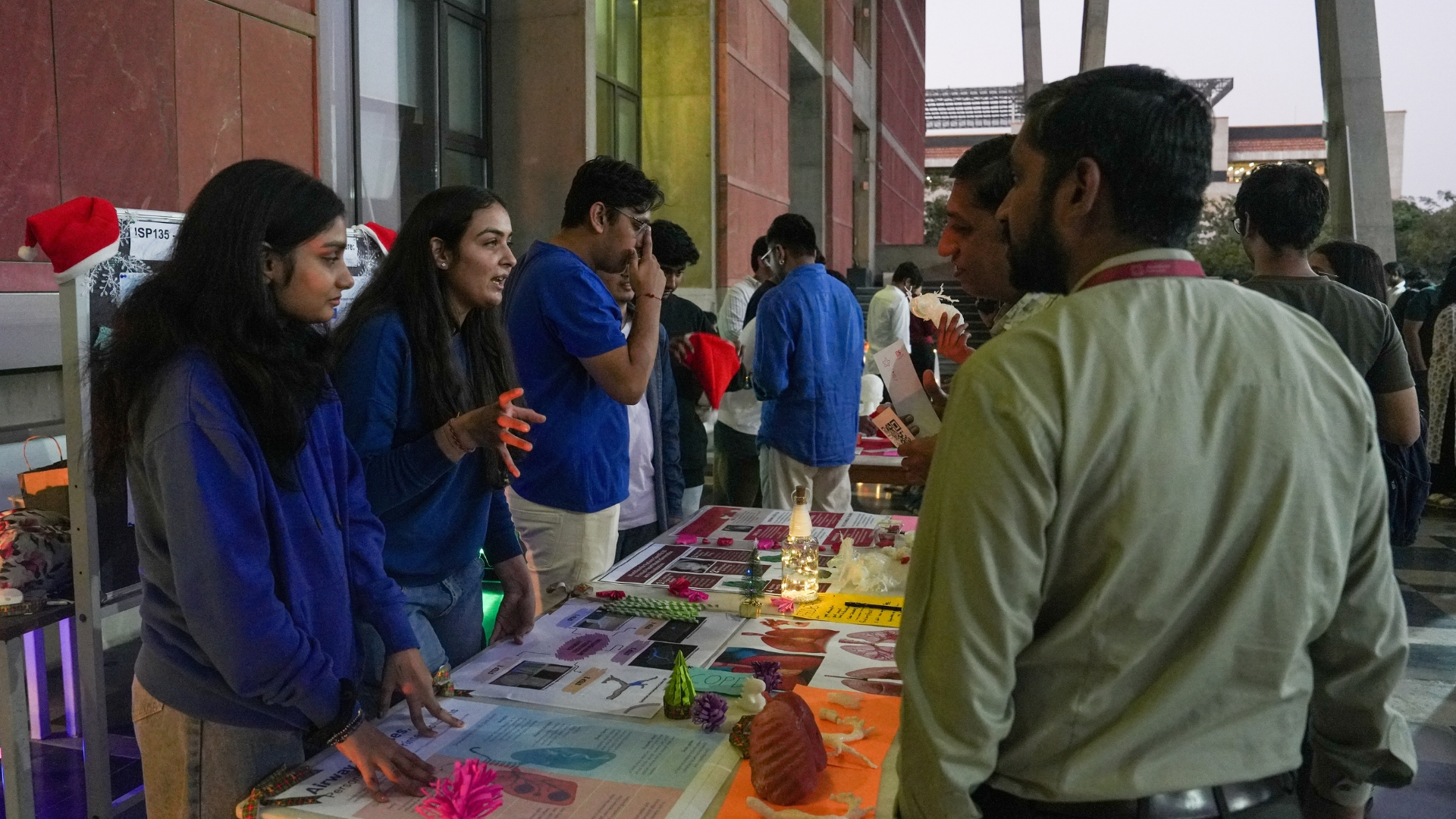
Students explored how biological knowledge, medical imaging, and engineering can come together to create patient-specific anatomical models. They learned to work with CT/MRI data, digital segmentation and additive manufacturing before producing 3D-printed organ replicas for applications such as surgical planning and medical education. The course brought together engineering, biology and clinical perspectives, including insights from a practising cardiologist.
Faculty
Tarun Rijwani
CEO, Rudrabots
Co-founder, Rudrabots Meditech
Dr Arvind Singh
Cardiologist, Apollo CVHF Heart Institute
Clinical Advisor, Rudrabots Meditech
Final outcome: Patient-specific 3D-printed anatomical models accompanied by documentation of their clinical application.
Creation in the 21st Century: Humans + Machines: Neuroscience + AI
What happens to human creativity when machines can increasingly create?
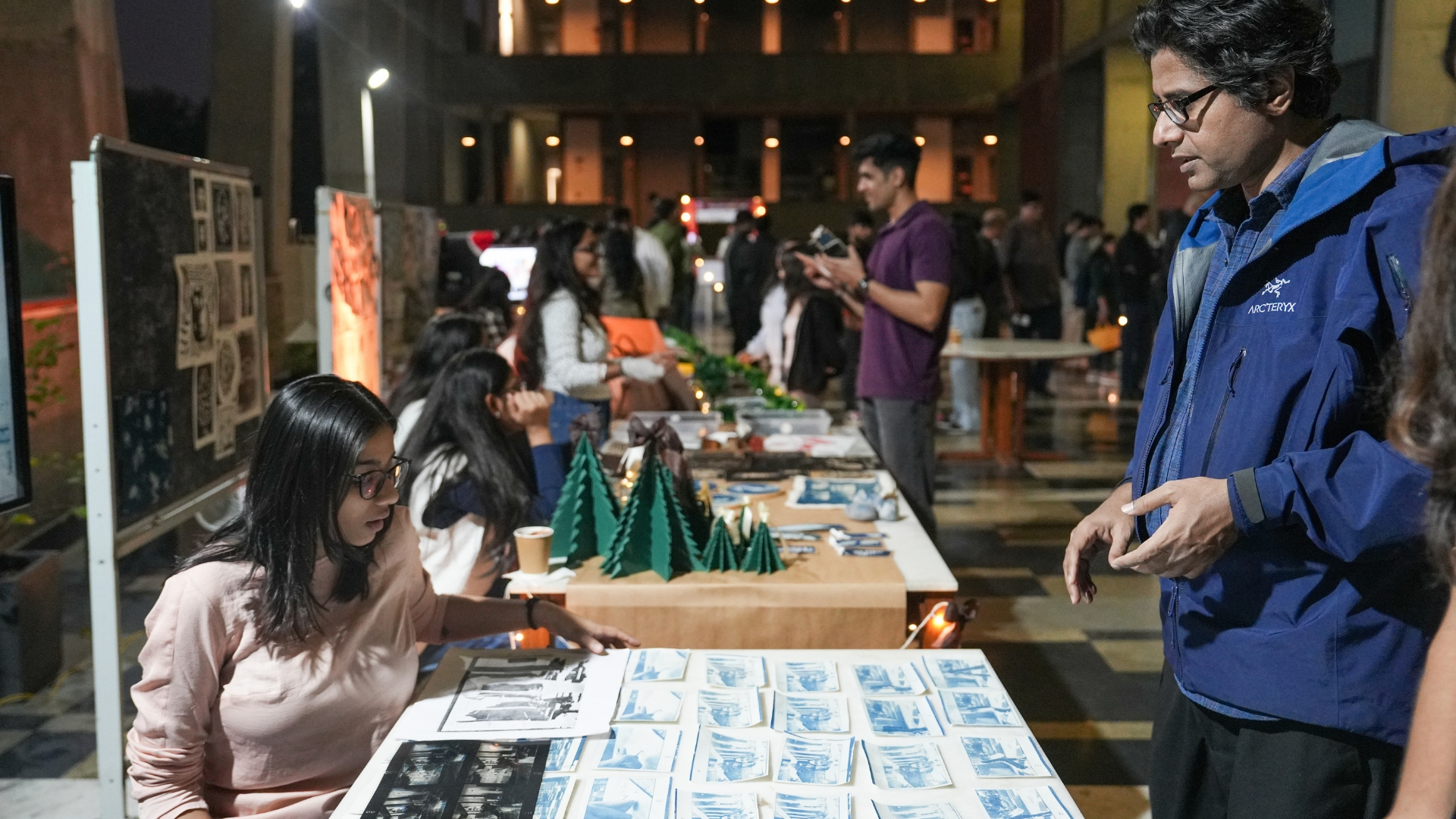
This course explored the relationship between human creativity, machines, and artificial intelligence through the combined lenses of art history, neuroscience, machine learning, and philosophy. Students studied the history of artistic creation and mechanical reproduction alongside concepts such as neural networks, synaptic learning, consciousness, and generative AI. They also experimented with analogue artistic processes and AI tools, using making as a way to investigate what it means to create.
Faculty
Santanu Chakraborty
Art historian, photographer, scientist, and engineer
Final outcome: A material and multimedia exhibition combining students' artistic works, experiments with AI, and reflections on creativity and machines.
Virtual Museum of Climate Objects
How can objects help us understand climate change?
This course explored the intersection of material culture, climate change, museums, science communication, and digital technology. Students investigated how everyday and historical objects can reveal changing relationships between people, materials, and the environment. Through museum visits, field documentation, research, visual storytelling, and digital curation, students worked together to create a virtual museum focused on climate objects.
Faculty
Aditya Prakash Kanth
Assistant Professor
Centre for Heritage Management
Ahmedabad University
Bhargav Padhiyar
New media designer, archaeologist, and computer engineer
Final outcome: A curated, public-facing virtual museum featuring digitally documented climate objects, research, and visual narratives.