8 May 2026
UNESCO-CHM Research identifies policy gaps for India’s Indigenous Foodways, suggests including it in Intangible Cultural Heritage
Food traditions today face multiple, overlapping challenges. Climate change is disrupting crop cycles and seed diversity, while environmental degradation and urbanisation are limiting access to local resources. On the other hand, markets, packaged and ultra-processed food, standardised approaches increasingly prioritise uniformity over regional diversity, eroding traditional and ecologically contextual culinary practices.
The Centre for Heritage Management (CHM) at Ahmedabad University was recently commissioned by the UNESCO to conduct research and compile a policy analysis report on Safeguarding of Foodways as Intangible Cultural Heritage in India. Developed as part of UNESCO’s “International Food Atlas and Digital Platform for safeguarding, promoting and transmitting foodways to future generations.”
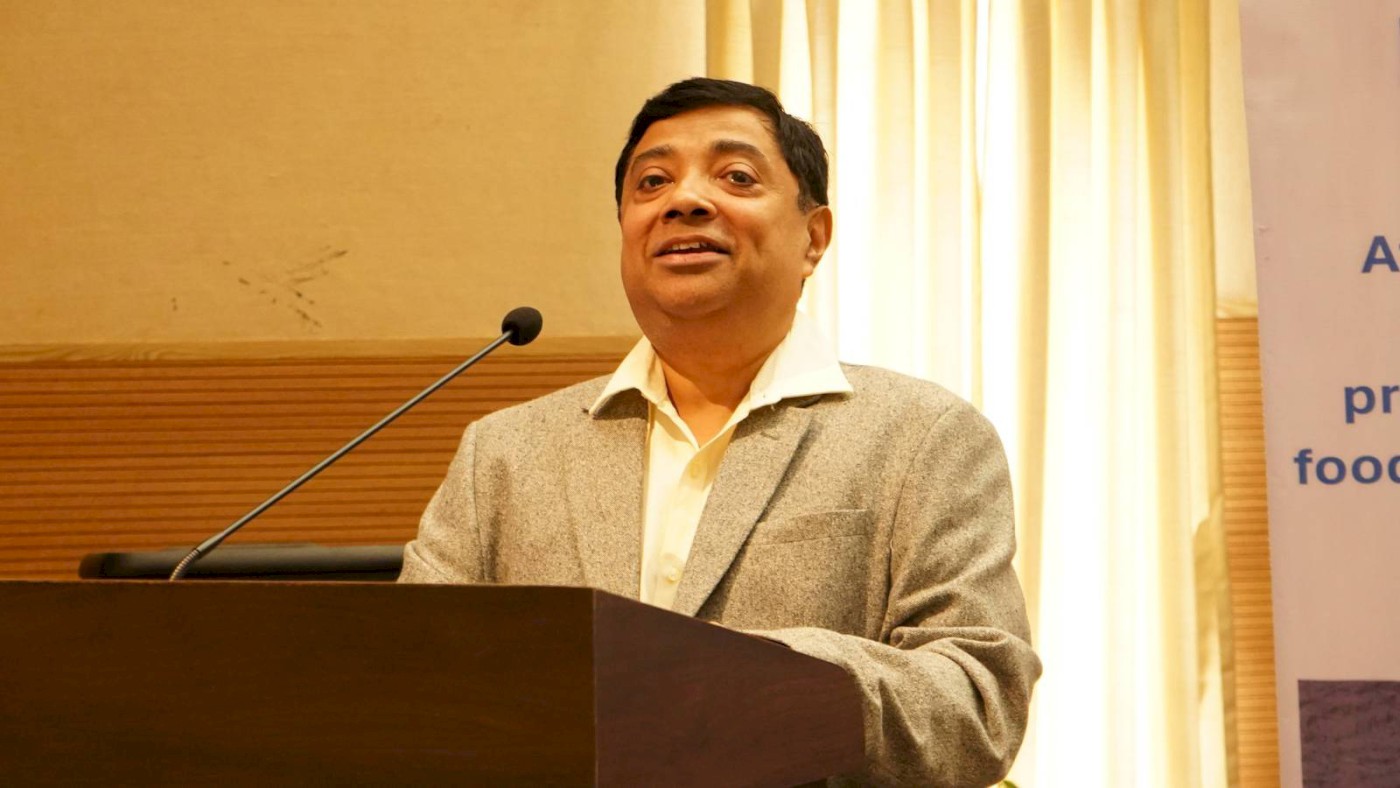
The project was led by Professor Molly Kaushal, Director, CHM and Professor Aditya Ghosh, faculty member at CHM. The project was carried out with research support from the CHM alumna Nandana Sanker along with Ananya Rao and Swaran Viswanathan. The report was presented to UNESCO by Professor Ghosh, in Shillong, Meghalaya in April, 2026. The study reflects CHM’s larger interdisciplinary approach to heritage, positioning food not merely as a cultural artefact, but as a living system connected to ecology, identity, health, and everyday life.
The report highlights how food remains obscured within India’s intangible cultural heritage framework, despite its deep cultural and ecological significance. It also points to the fragmented nature of food governance, where multiple ministries and departments engage with food-related issues independently, often without coordination.
Using Meghalaya as a case study, the report examines how local food systems are shaped by community practices, biodiversity, and regional governance structures. It also examines how external interventions, ranging from policy decisions to market pressures, gradually reshape these systems. For example, rice from Andhra Pradesh – distributed nationally in Public Distribution System – gradually marginalised the consumption and cultivation of various local rice varieties in Meghalaya. Many of these landraces had distinct health and nutritional benefits, developed by local farmers for generations, which are on the verge of extinction.
The report focuses on strengthening and aligning with existing systems. Its recommendations include recognising foodways within India’s heritage framework, encouraging stronger inter-ministerial coordination, localising food-related federal public schemes, improving documentation of indigenous food knowledge, and integrating foodways into educational curricula. It also highlights the important role women play in preserving food knowledge and practices within communities.
The study ultimately positions food as a lens through which broader questions of sustainability, culture, ecology, and community resilience can be understood. The initiative also reflects how students and researchers at CHM contribute to interdisciplinary, policy-oriented work through collaborations with global organisations such as UNESCO and local communities.