17 February 2026
Study on Applying Operations Strategy to Elevate Animal Welfare and Visitor Experiences in Zoological Parks Recognised
Public parks and zoos serve purposes far beyond tourism or recreation. They play a critical role in conservation, education, and public engagement. At the Sardar Patel Zoological Park (SPZP), however, these roles are increasingly challenged by operational and service management pressures arising from highly concentrated visitor arrivals. Sharp mid-day peaks have led to overcrowding, strained resources, compromised animal welfare, reduced visitor safety and satisfaction, and growing reputational risk.
Addressing these challenges is complex. As a Public–Private Partnership (PPP), SPZP operates under constraints that limit unilateral changes to ticket pricing or rapid infrastructure expansion. The immediate task, therefore, lies in managing arrival variability and visitor flow within existing institutional boundaries.
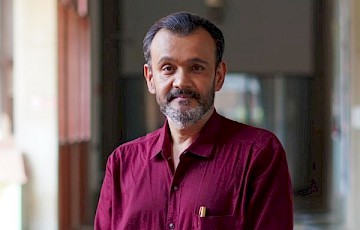
This challenge is examined in a recent study by doctoral student Manil Agarwal, conducted under the guidance of Professor Tana Trivedi from the Amrut Mody School of Management. The research explores operations- and service-strategy–based solutions that focus on redistributing visitor arrivals across the day, rather than expanding capacity. Proposed interventions include timed-entry systems, dynamic pricing incentives inspired by global zoo practices, and hybrid models that balance flexibility with operational control.
A distinctive internal lever highlighted in the study is SPZP’s Docent Program, which functions as a human-centred crowd management mechanism. By guiding visitor behaviour, diffusing footfall, and embedding learning into the visitor experience, the programme supports calmer, more meaningful engagement while easing pressure on infrastructure and animals. Collectively, these strategies aim to create a sustainable and replicable visitor flow framework that balances efficiency, experience, animal welfare, and public accountability.
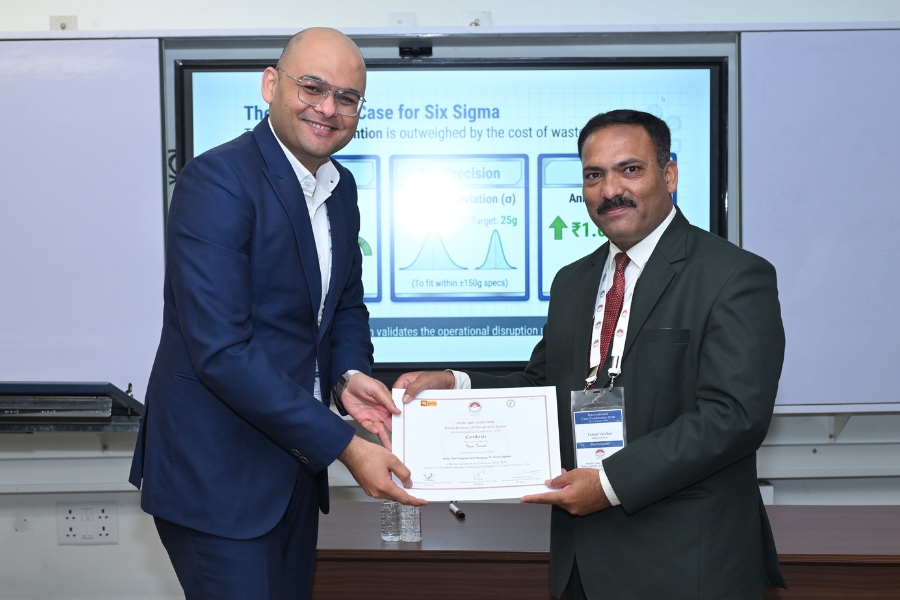
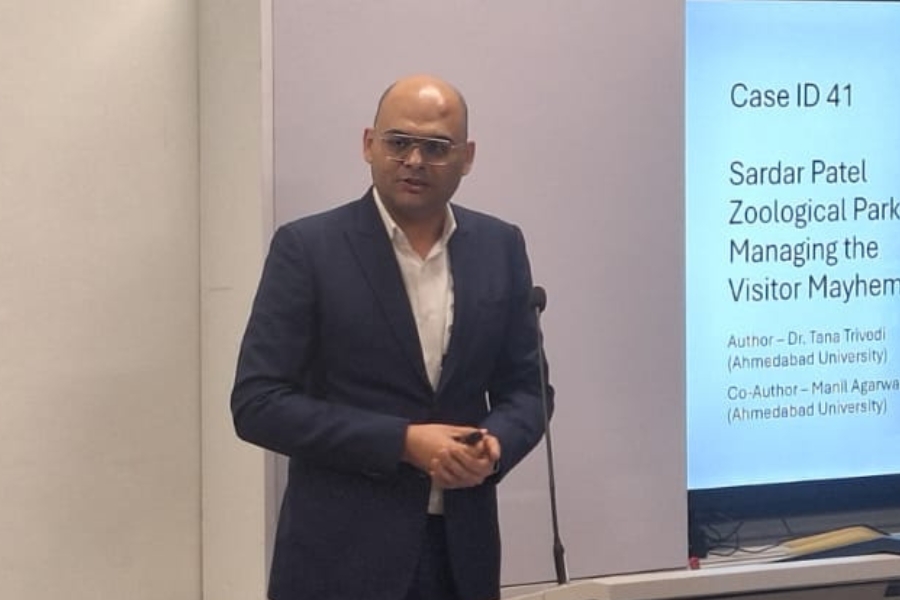
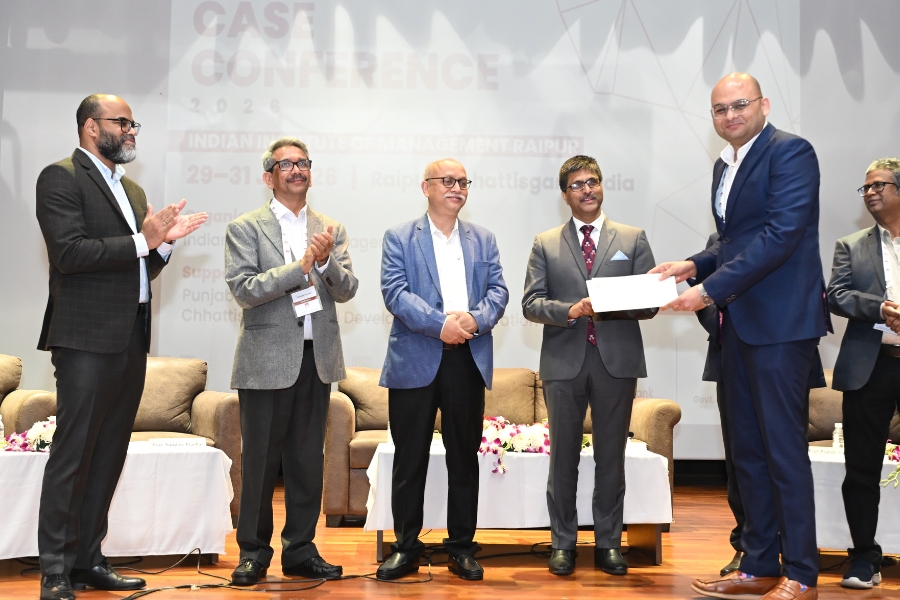
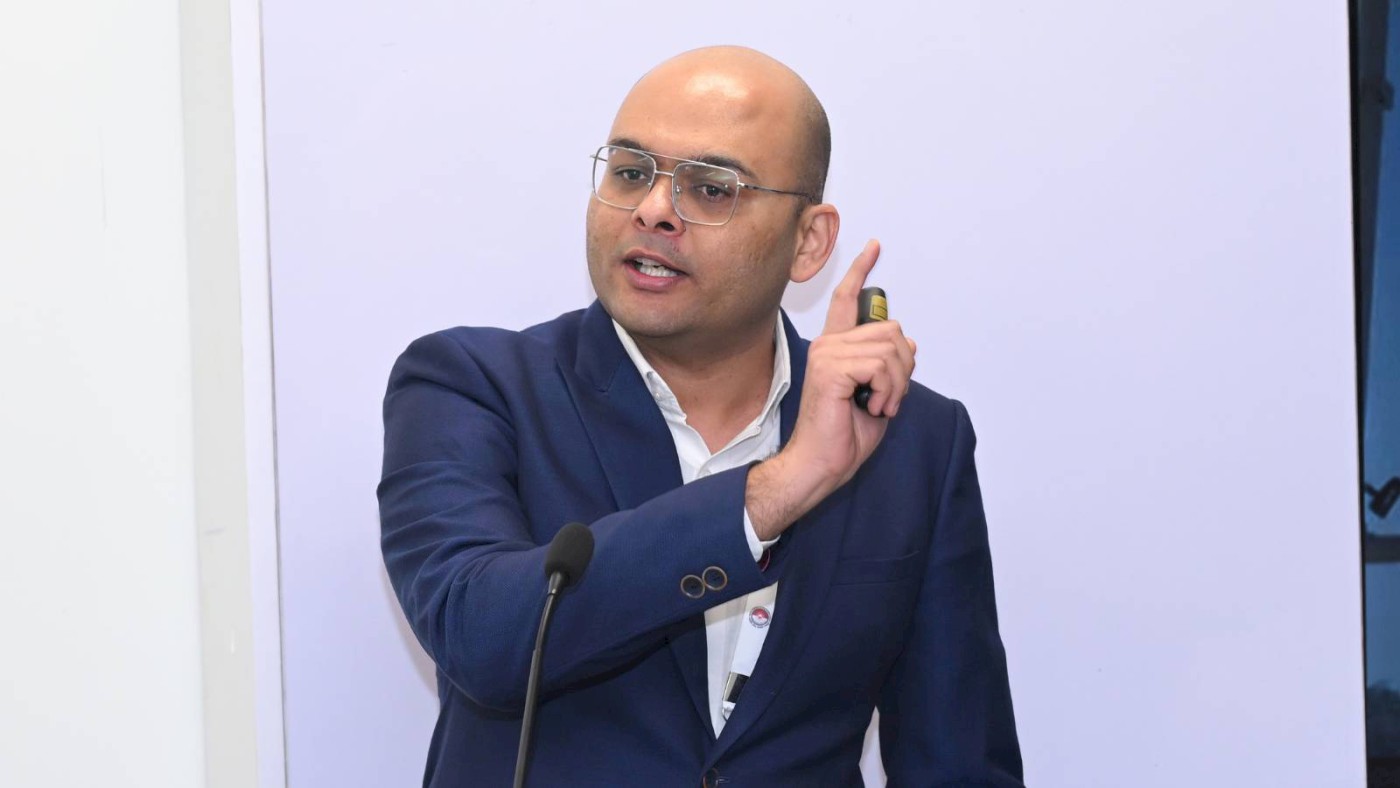
This work was presented through the teaching case “Sardar Patel Zoological Park: Managing the Visitor Mayhem,” authored by Professor Tana Trivedi with Manil Agarwal as co-author at the International Case Conference 2026, held at Indian Institute of Management Raipur. The case facilitates classroom discussion on visitor flow and capacity management within an emerging market public-sector context. The authors received the Best Case Presentation Award in the Operations Strategy track at the conference. The award recognises excellence in problem framing, analytical depth, and the effective articulation of teaching cases for academic audiences.