9 February 2026
Catalysing Conversations and the Changing Nature of Innovation at Ahmedabad University's R&D Conclave
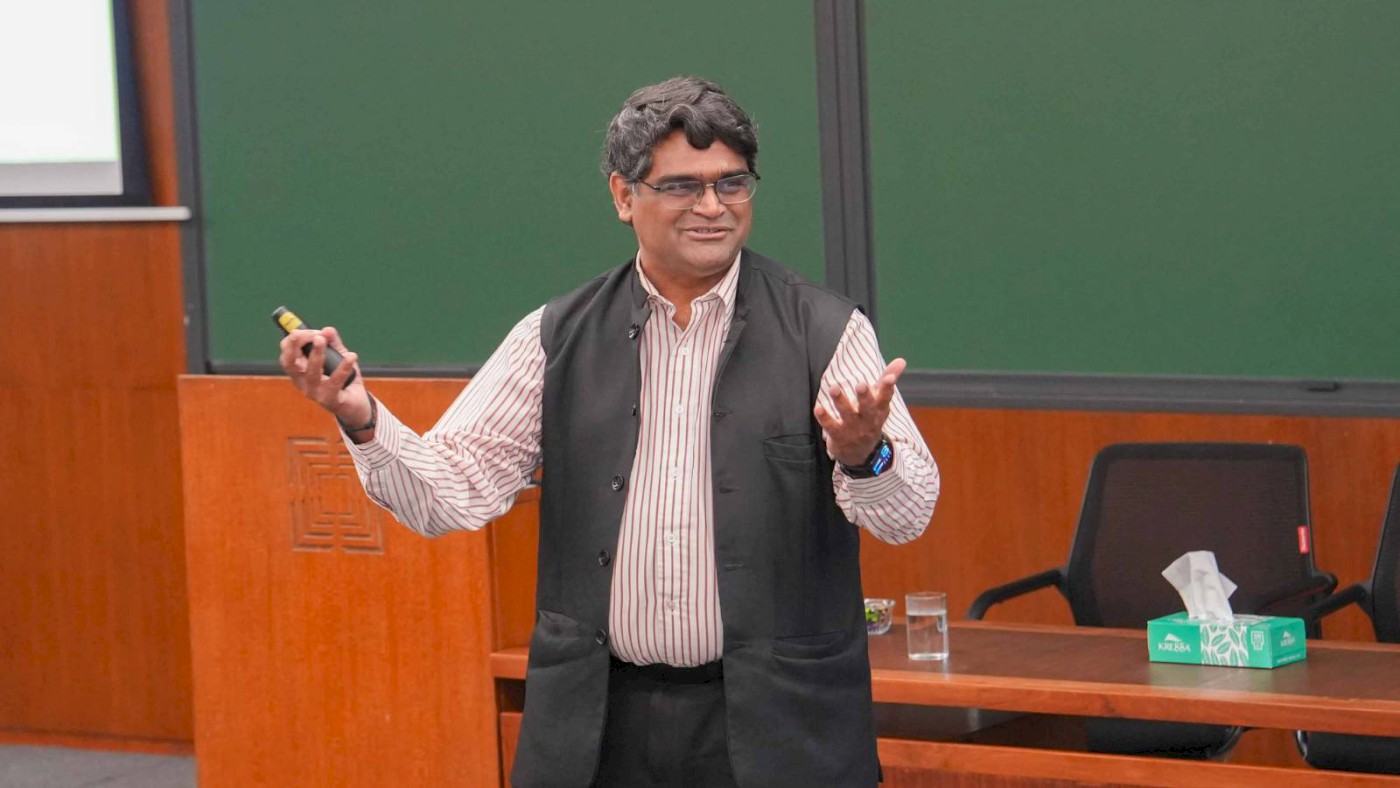
R&D is central to how India builds technological capability, strengthens manufacturing, and positions itself in global markets. As research and development evolve, their centre of gravity is shifting towards areas that directly shape industrial competitiveness. Advances in semiconductors, advanced materials, digital and AI-enabled manufacturing, and sustainability-led innovation are no longer peripheral to manufacturing. These developments are pushing the boundaries of industrial innovation and defining its future.
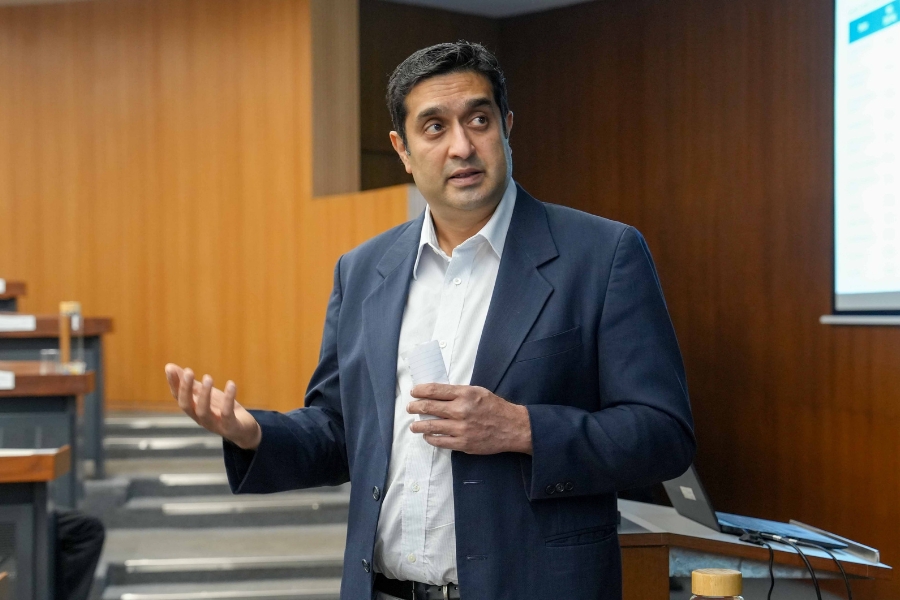
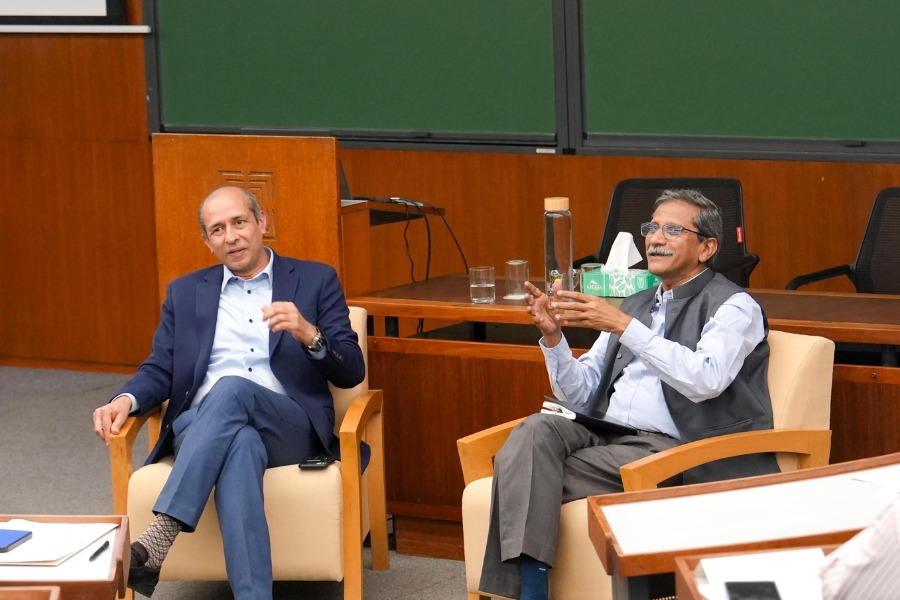
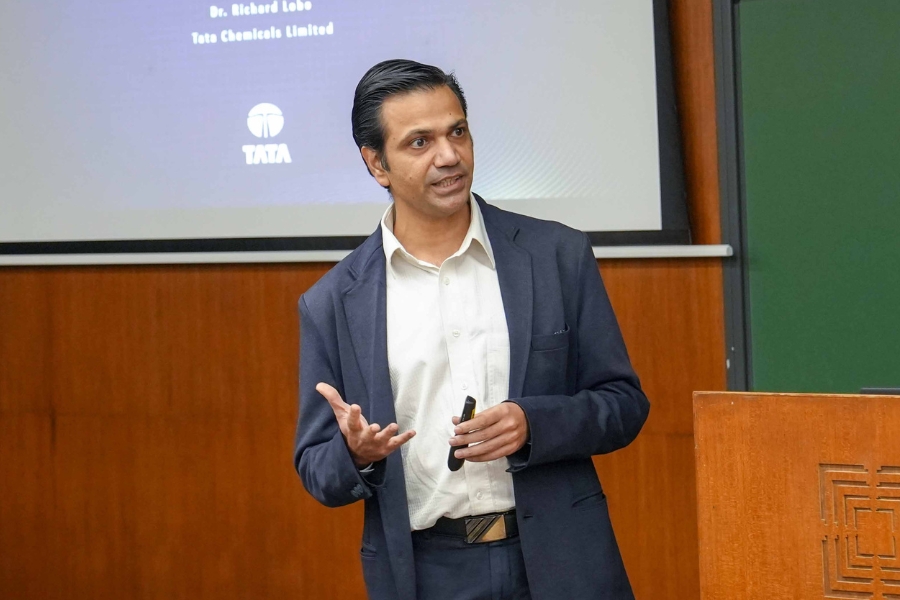
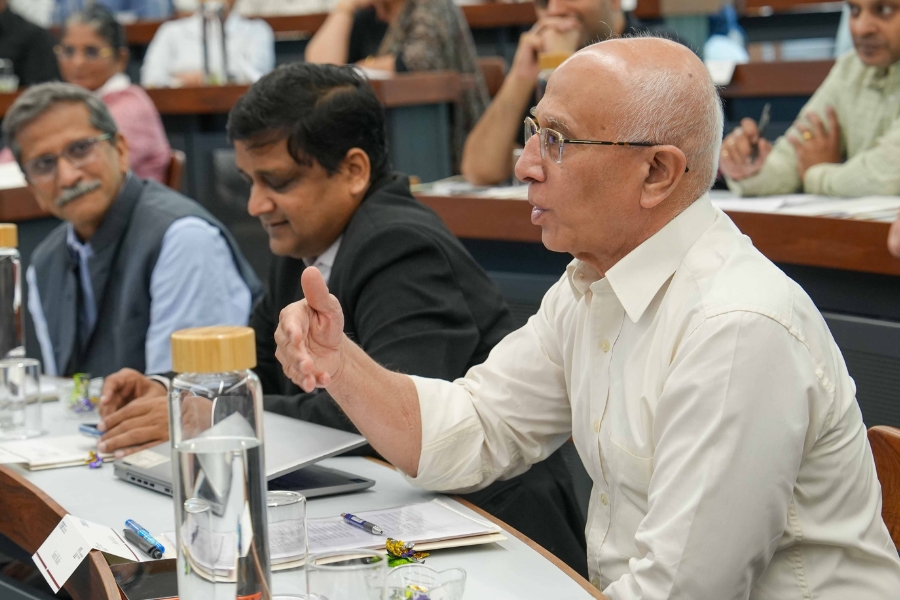
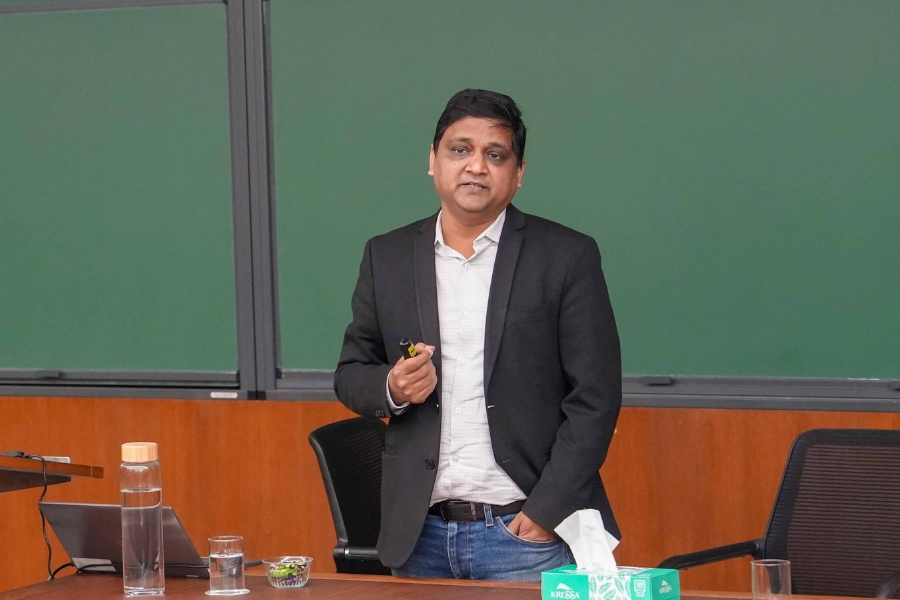
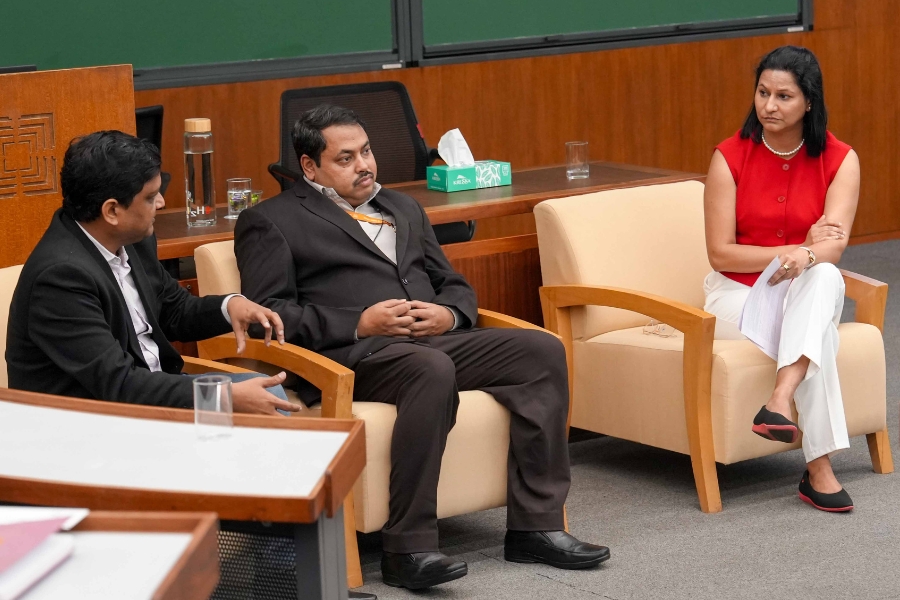
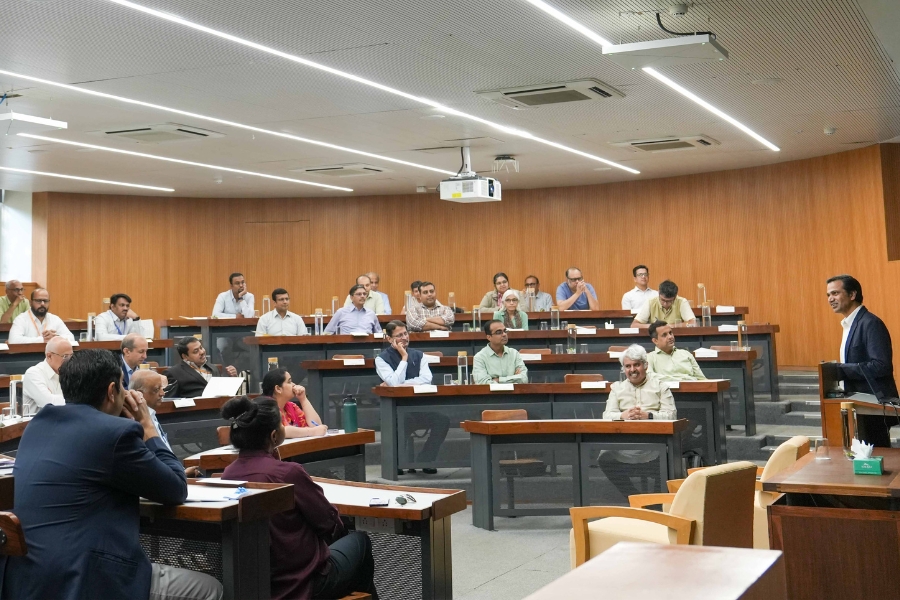
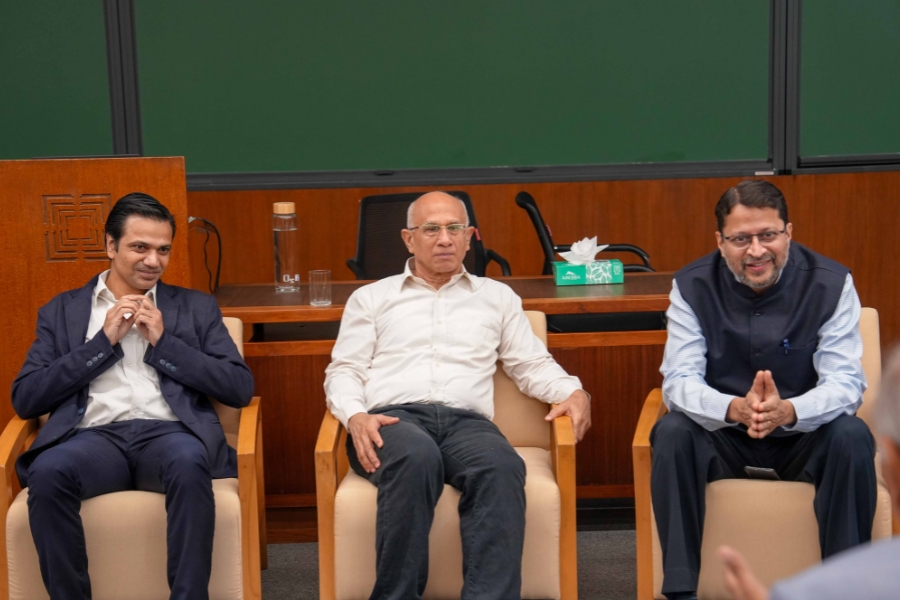
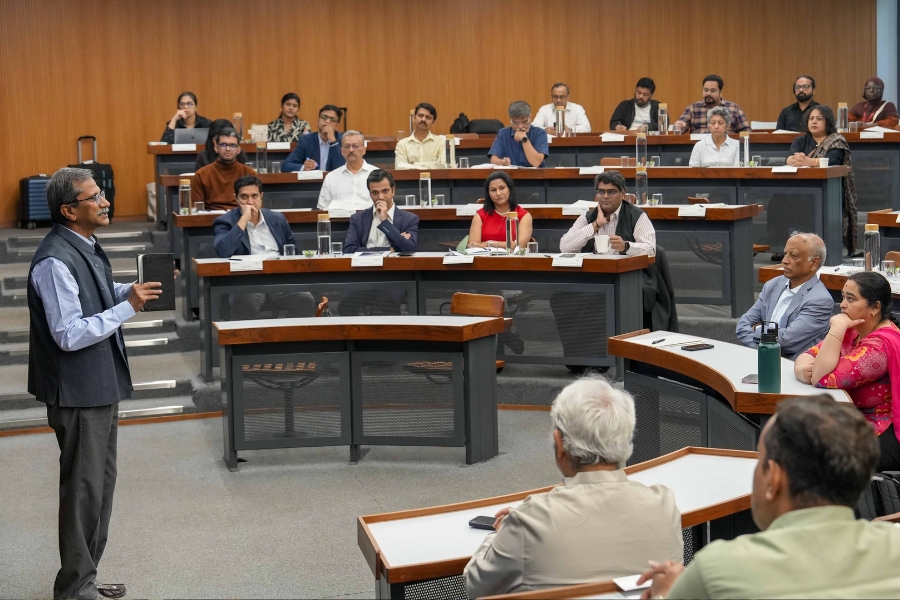
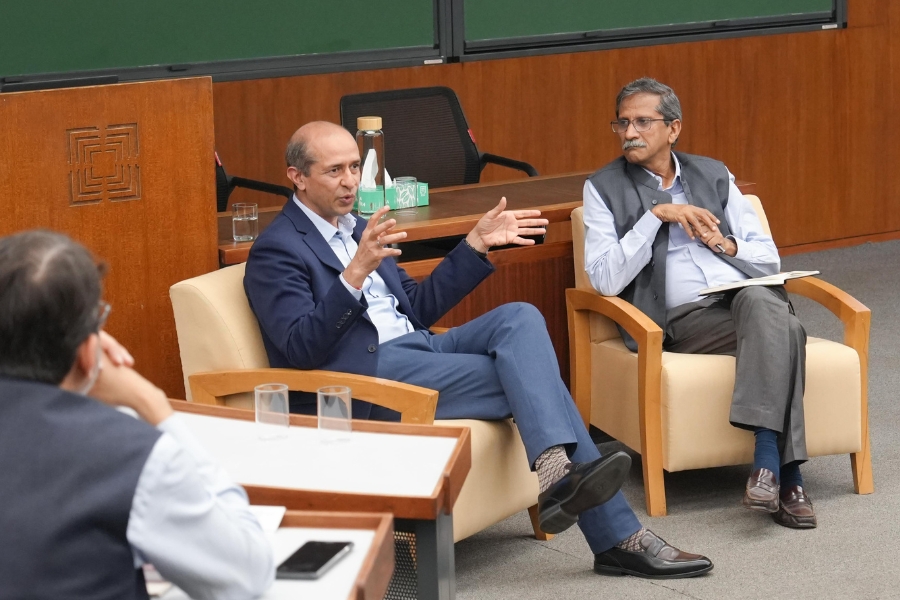
In this context, Ahmedabad University, in collaboration with the Centre for Technology, Innovation and Economic Research (CTIER), hosted the R&D Conclave on the Changing Nature of Innovation. The Conclave brought together perspectives from national research and funding institutions, government, industry, and academia, including participation from the Anusandhan National Research Foundation (ANRF), the Ministry of Electronics and Information Technology, Centre for Sustainable Energy and Mobility (C-SEM) and industry leaders from Tata Chemicals, Pidilite Industries Limited, and NXP Semiconductors.
Discussions highlighted how India’s innovation agenda must increasingly focus on building capabilities in semiconductors and electronics, advanced materials, clean energy and mobility, and digital manufacturing, alongside strengthening R&D cultures within firms and developing multidisciplinary talent. Participants emphasised that translating research into industrial impact will require closer alignment between national research priorities, manufacturing strategy, and global value chains. The conversations underscored the importance of sustained, interdisciplinary engagement between academia, industry, and policymakers in shaping India’s next phase of innovation-led manufacturing growth.