16 March 2026
Negotiating Freedom in Post-Liberalisation India
India’s economic liberalisation was expected to encourage young people to move beyond traditional social constraints and embrace a modern, individualistic future. This transformation was expected to happen through education, skills, and economic mobility rather than inherited identities such as caste. However, recent developments, including debates over proposed laws requiring parental consent for adult marriages, suggest otherwise and show how social anxieties continue to shape public policy.
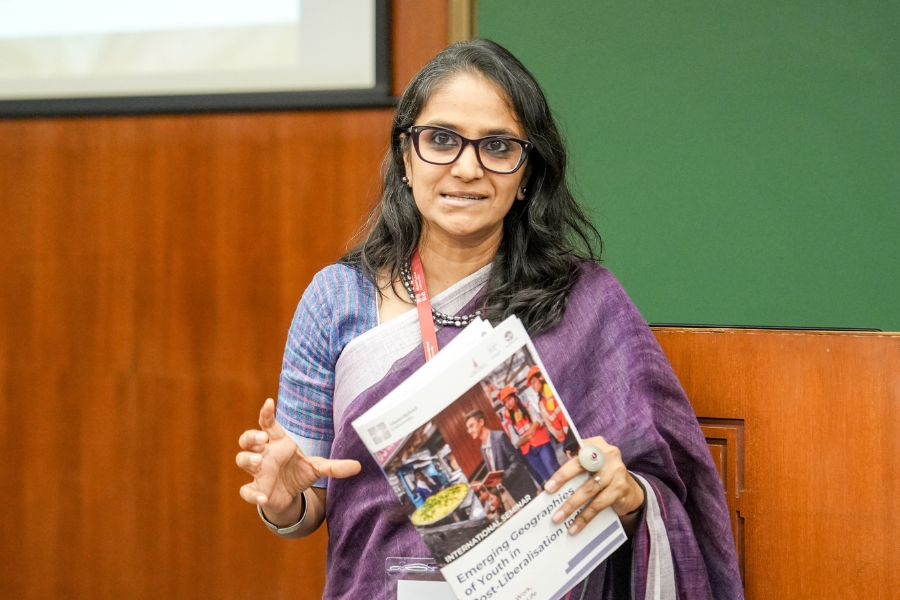
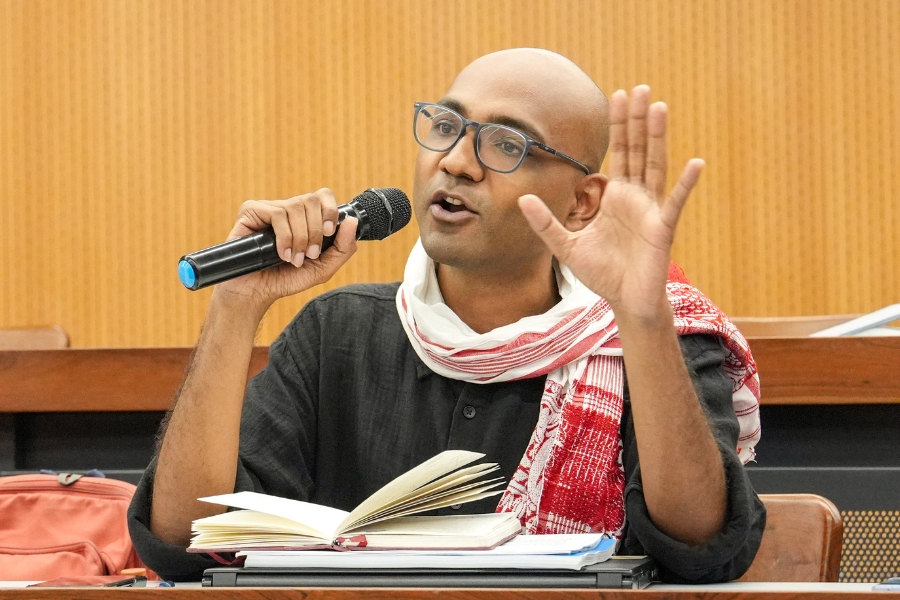
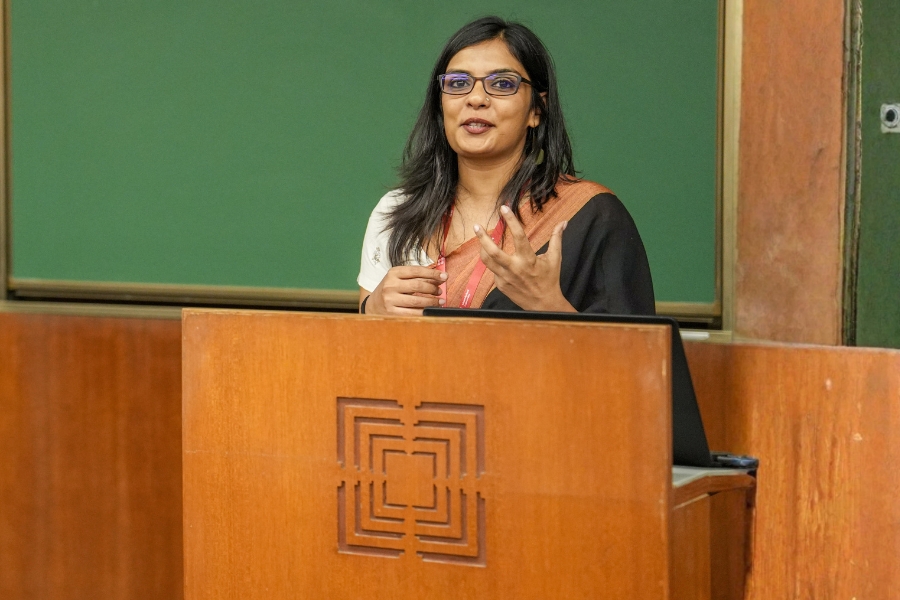
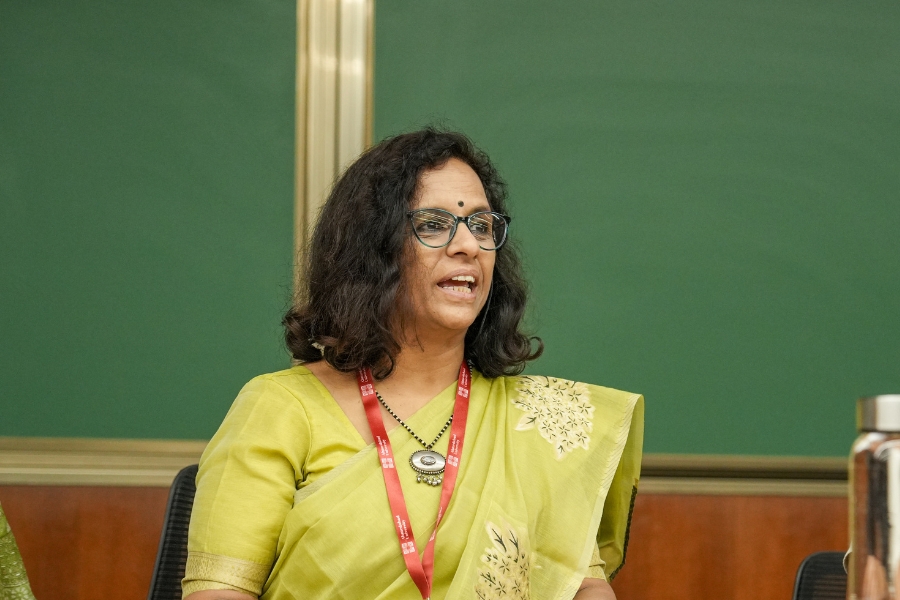
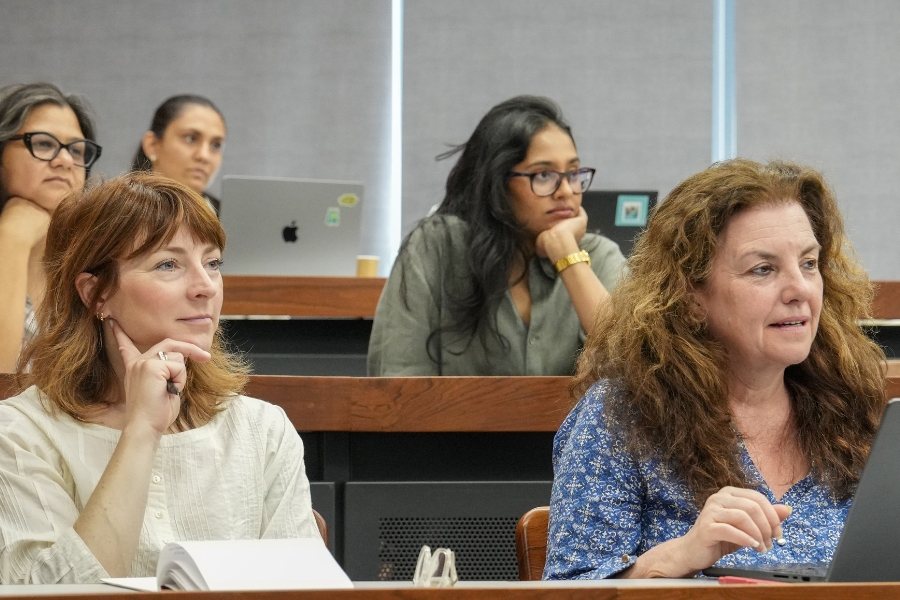
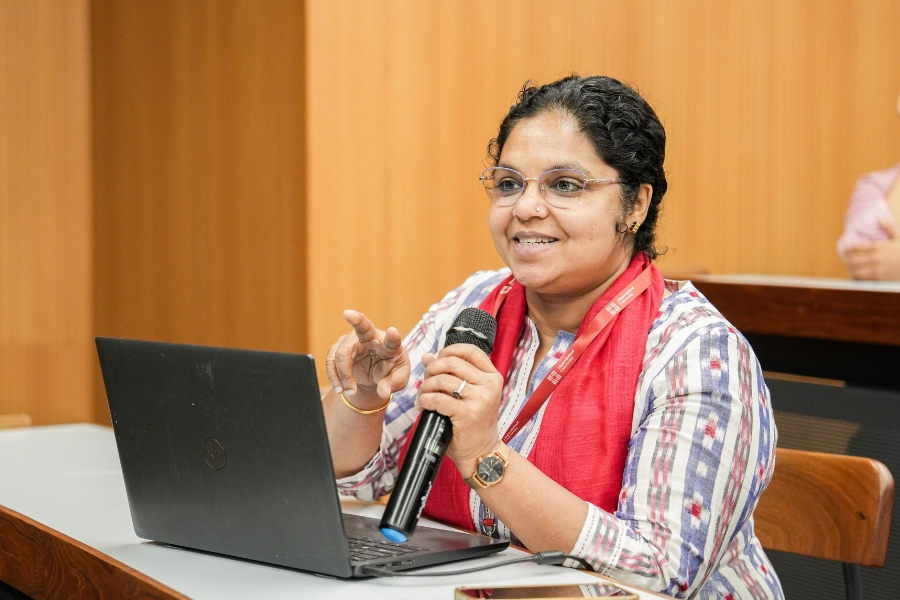
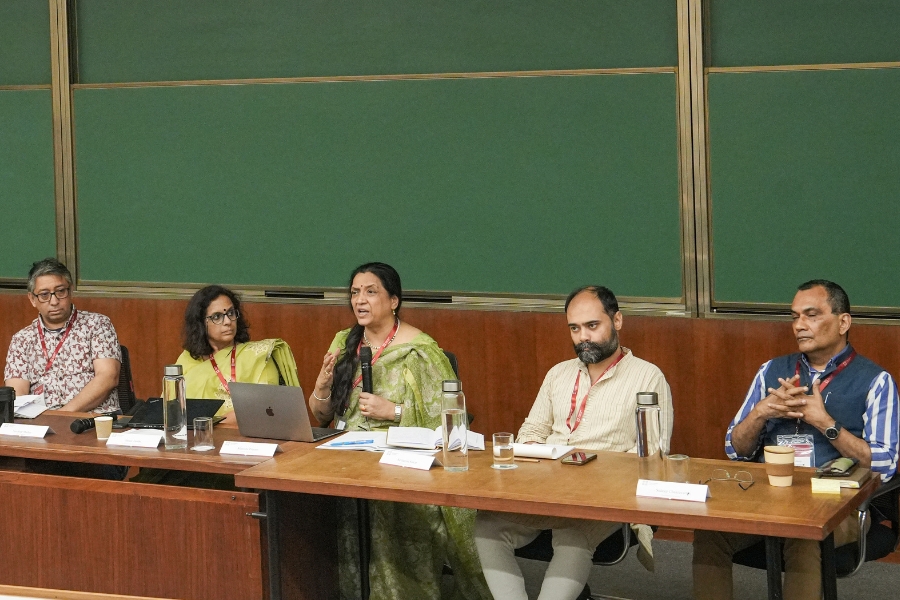
Examining the relationship between consumer culture, youth aspirations, and the persistence of caste in post-liberalisation India, particularly in Gujarat, Mona Mehta, Associate Professor and Associate Dean, Arts, School of Arts and Sciences, argues that consumerism has not weakened caste hierarchies in the state. During her presentation at the international seminar Emerging Geographies of Youth in Post-Liberalisation India, she examined how the growing visibility of consumer aspirations has coincided with caste communities becoming more organised, self-regulating, and politically aware.
Weddings in Gujarat have become major platforms for displaying modern consumer aspirations, with young people adopting elaborate wedding practices. Professor Mehta examined how, in response, many caste communities have begun drafting “caste constitutions,” documents presented as reformist tools to address economic pressures and cultural change. Many of these include rules such as limits on wedding spending, bans on DJ music, and guidelines for marriage practices. At the same time, they reinforce conservative ideas such as strict endogamy. Professor Mehta pointed out that young people’s responses to these rules are selective and complex, seeking freedom in areas of consumption and lifestyle while continuing to accept the broader structure of caste-based marriage and community identity.
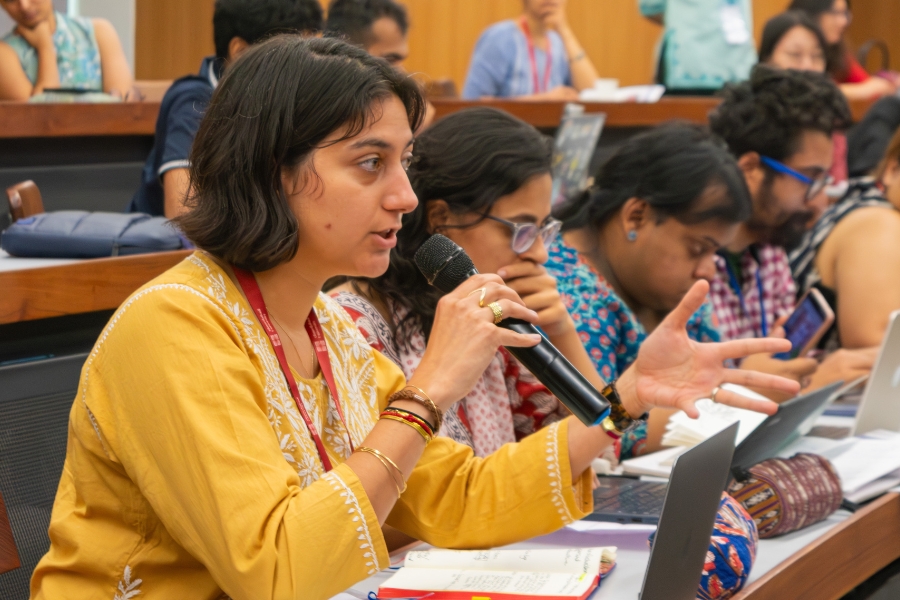
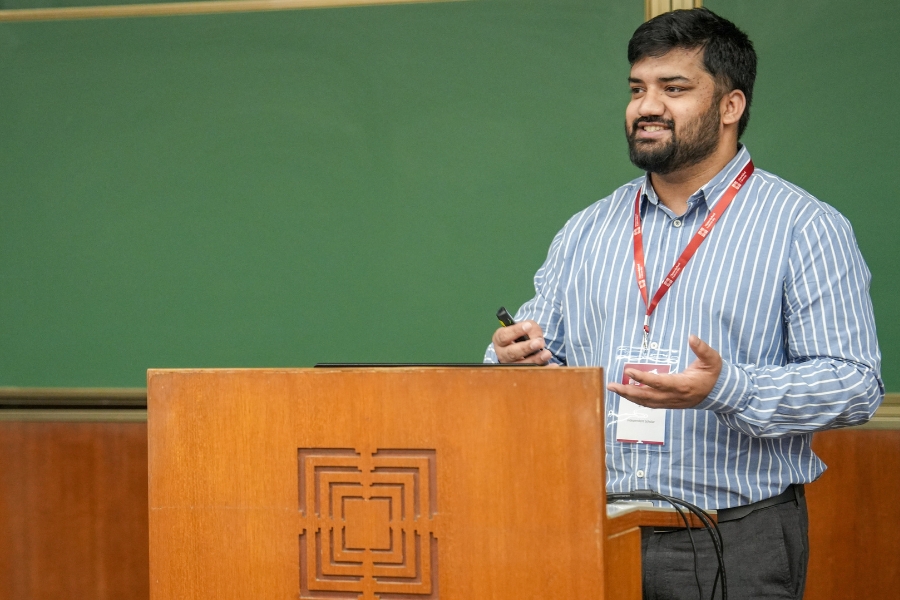
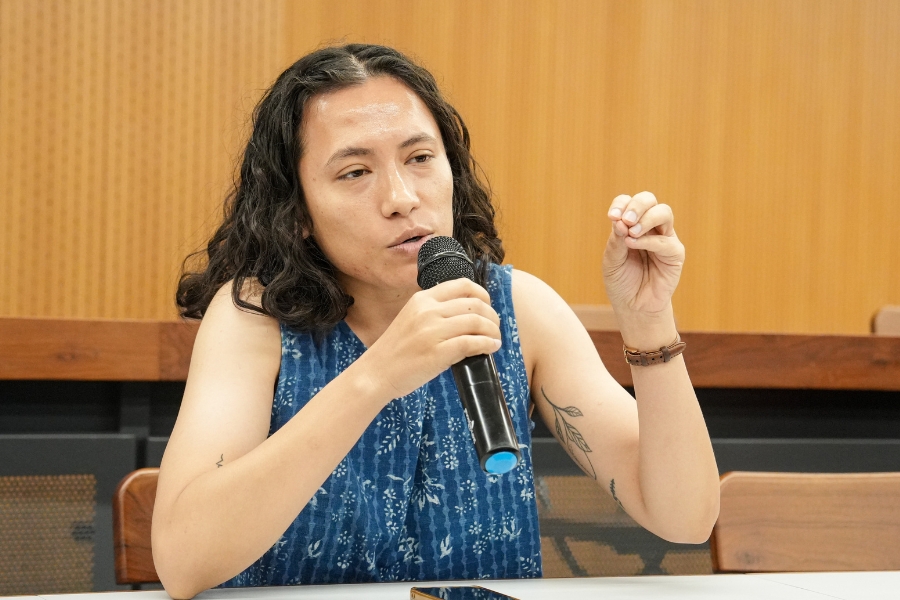
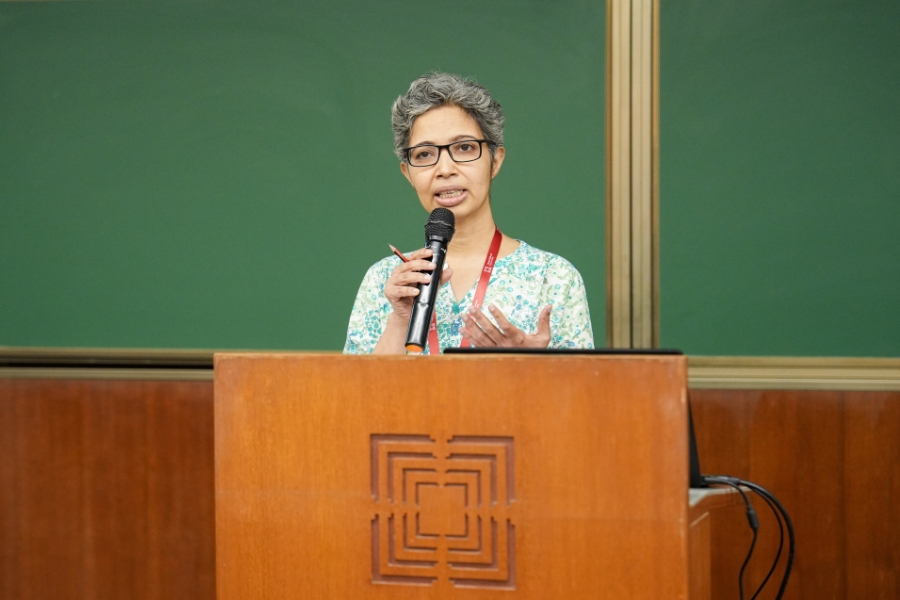
While this is one way in which Indian youth negotiate the structural constraints that continue to shape their lives after economic liberalisation, several conference presenters highlighted other ways in which young people navigate post-liberalisation challenges in education, employment, and everyday life. These discussions included research on how young people from marginalised caste and class backgrounds access higher education through state support systems such as scholarships, hostels, and welfare institutions. Migration was also discussed as a process that reshapes aspirations, social networks, and identities, while also exposing young people to urban precarity, housing challenges, and new forms of inequality. The seminar further highlighted the gendered barriers faced by young women from socially disadvantaged communities and examined how, despite acts of resistance and negotiation, youth practices can sometimes reproduce existing social hierarchies.
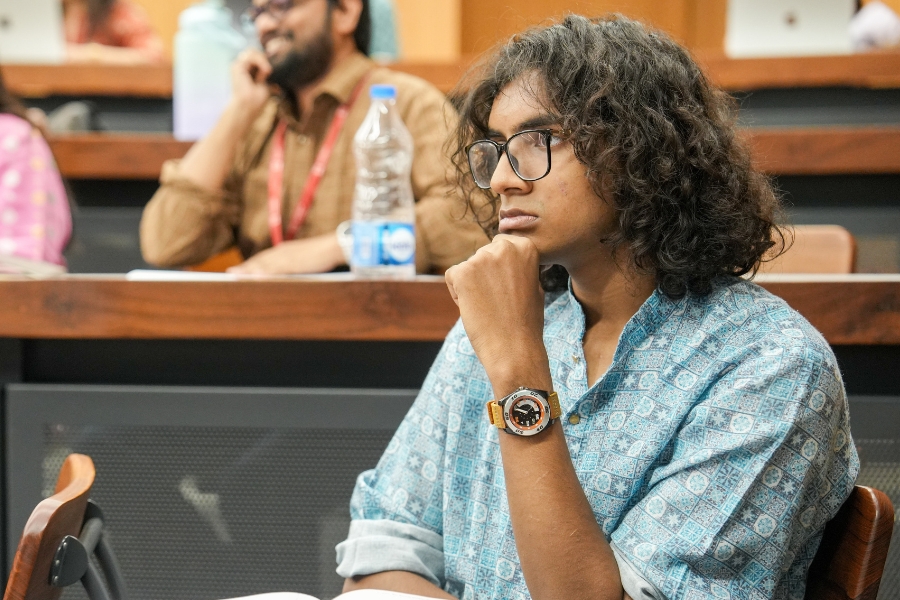
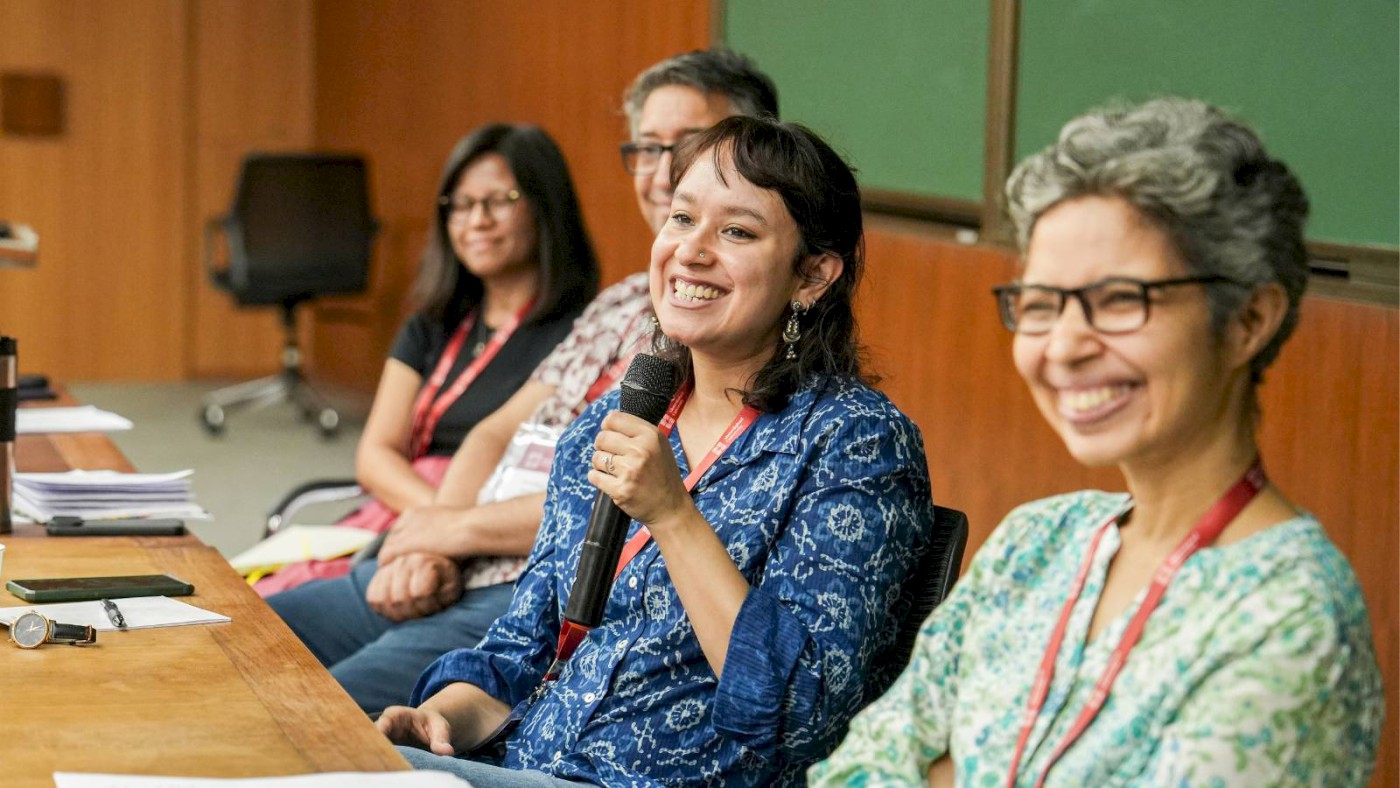
A key highlight of the seminar was the Youth Voices panel, which featured Ahmedabad University students pursuing different programmes at the institution. The panel explored the strong pressure many young people feel to define success and career paths early. Students also discussed broader structural issues, including inequalities in educational access between urban and rural areas and the challenges of integrating new technologies into learning. These conversations showed that young people today are navigating uncertainty, searching for meaningful work and identity, and negotiating the pressures of social expectations, technological change, and institutional structures.
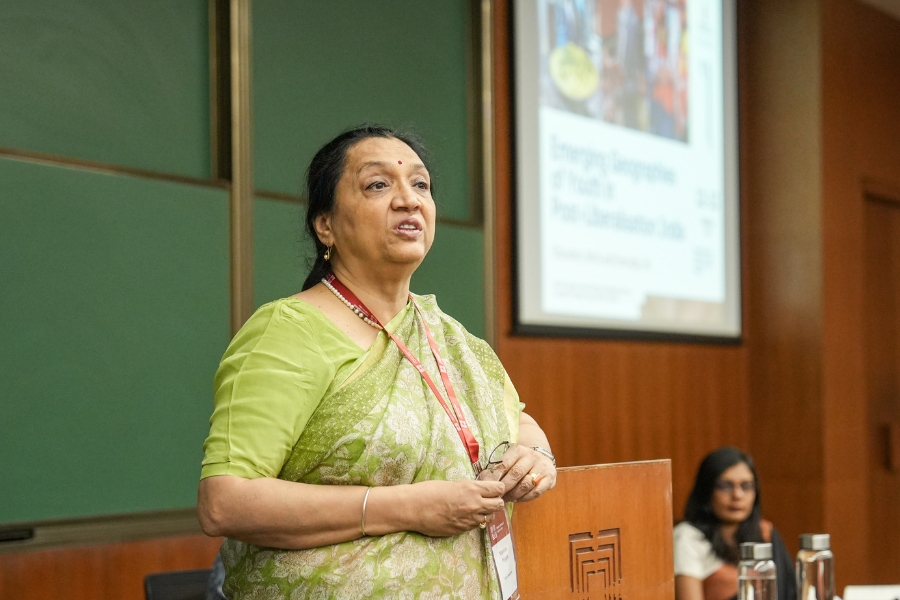
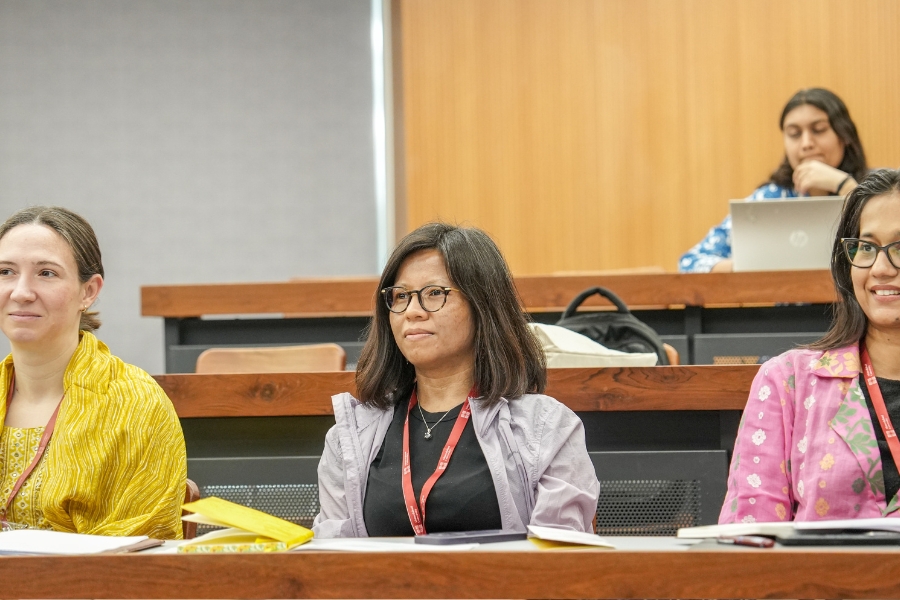
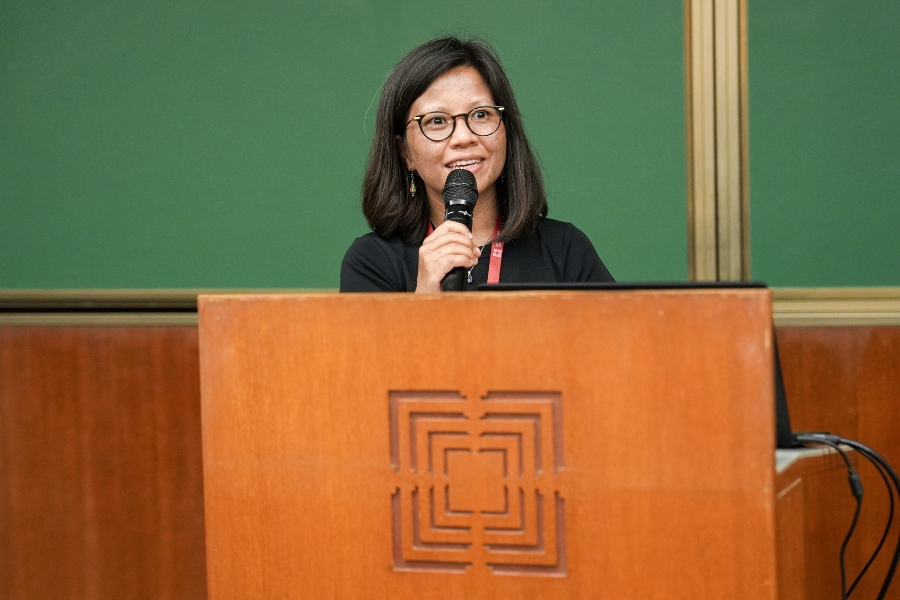
Bringing together interdisciplinary perspectives, the two-day international seminar, held at a time when India is home to the world’s largest youth population, aimed to better understand how young people experience, resist, and reshape inequalities while creating new meanings around education, work, and everyday life over the three decades since liberalisation.