21 July 2026
What Two Weeks of Climate Fellows Programme Taught About Climate Change
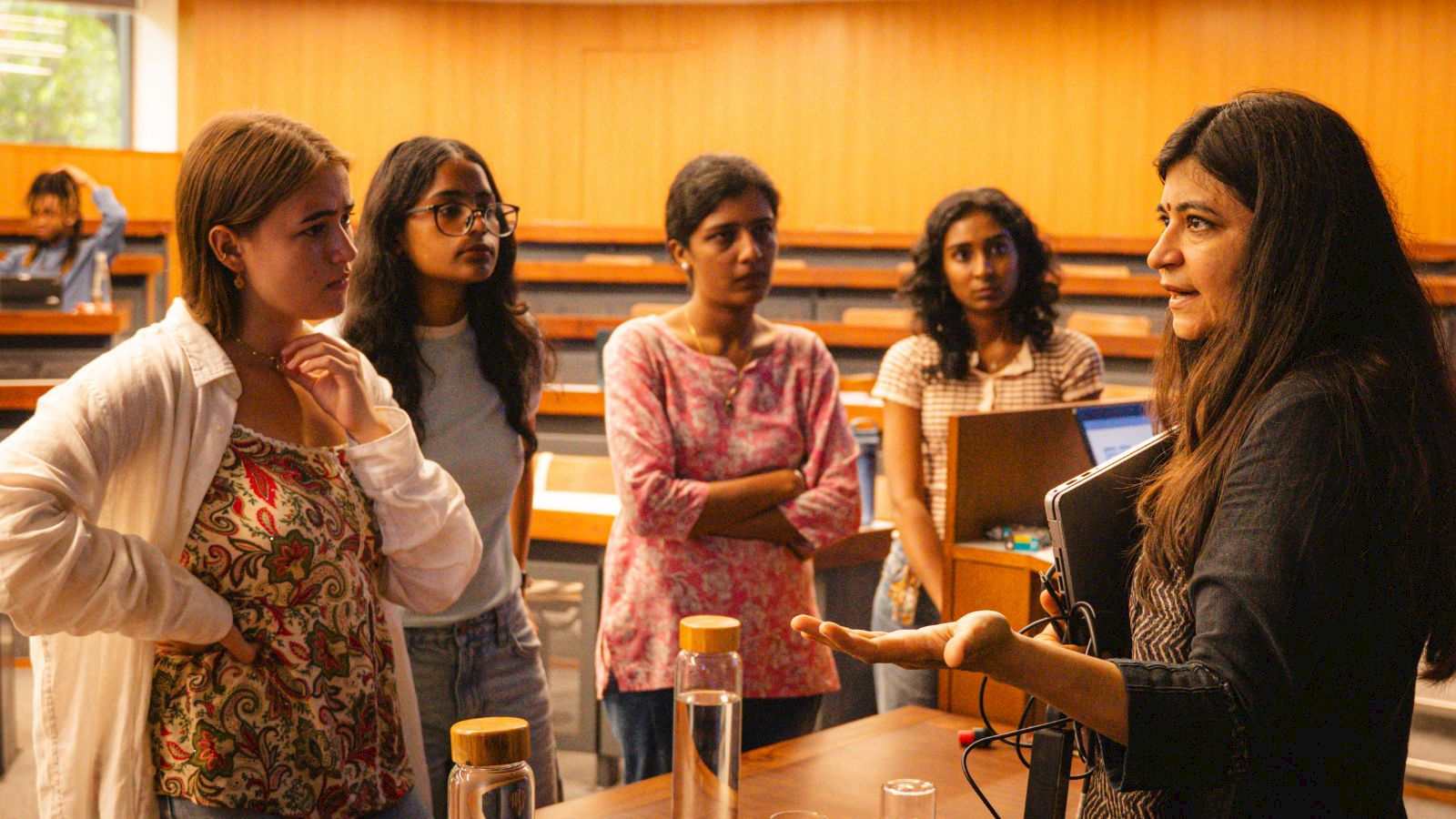
Economies, cities, and societies are undergoing rapid transformation as they respond to the realities of climate change. Addressing these challenges requires perspectives from across disciplines, institutions, and geographies to converge. The Climate Fellows Programme 2026, underway at Ahmedabad University, embodied this approach.
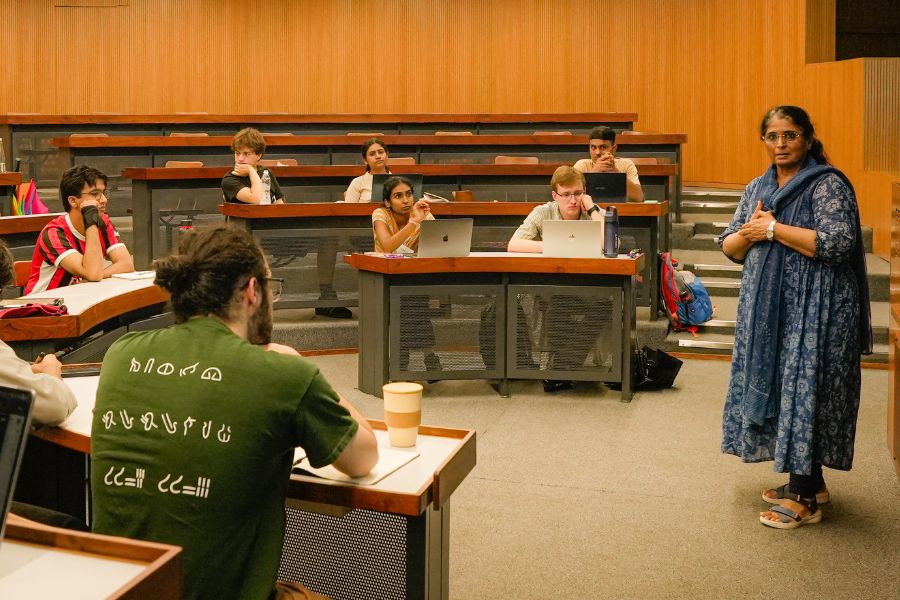
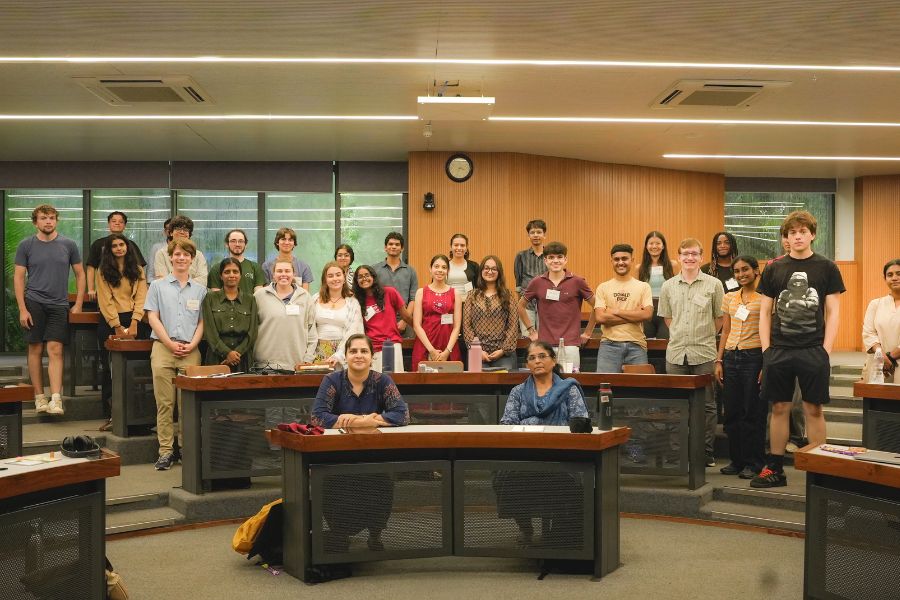
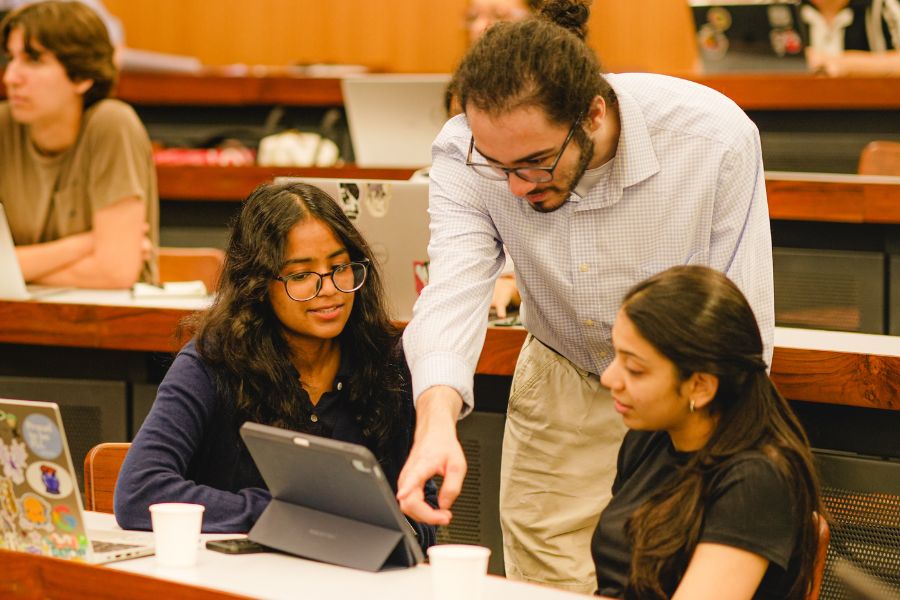
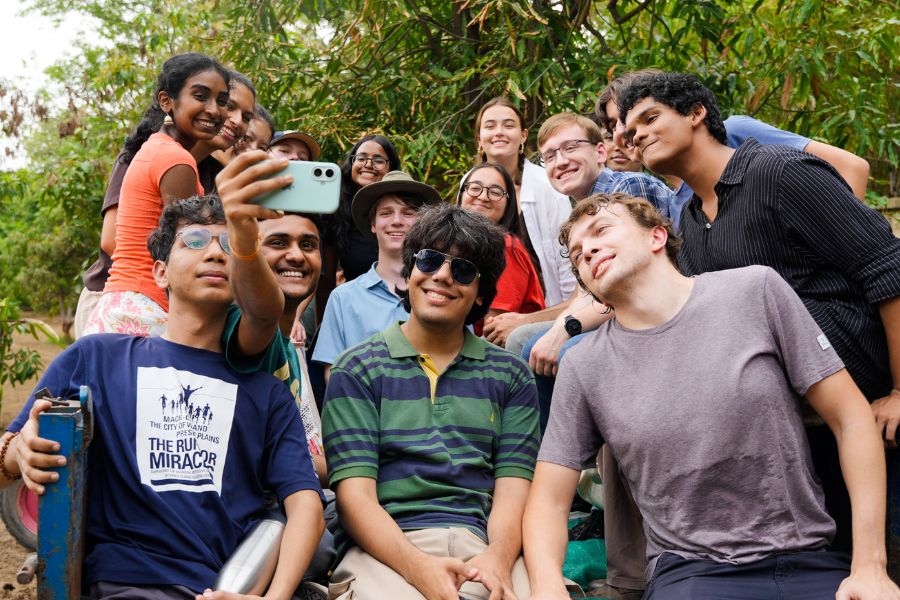
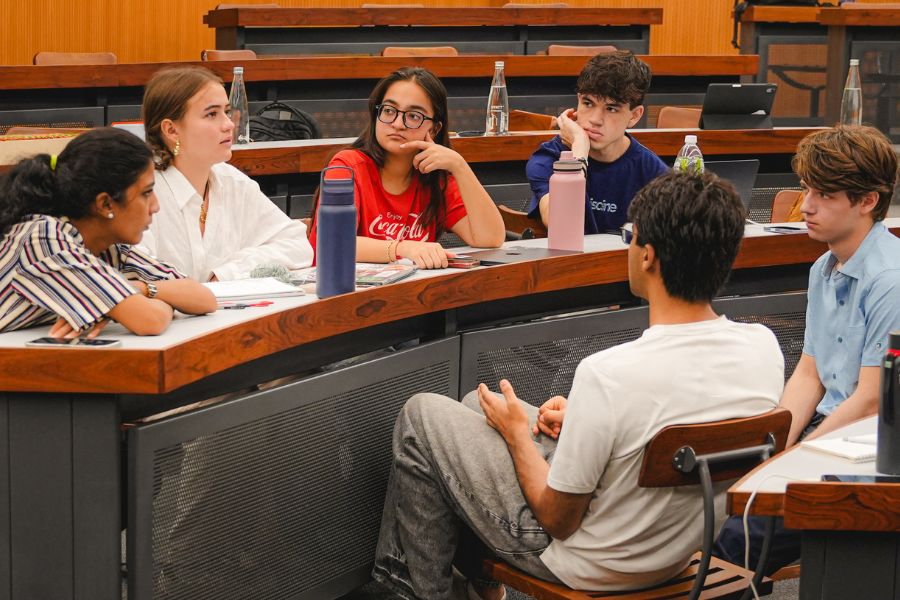
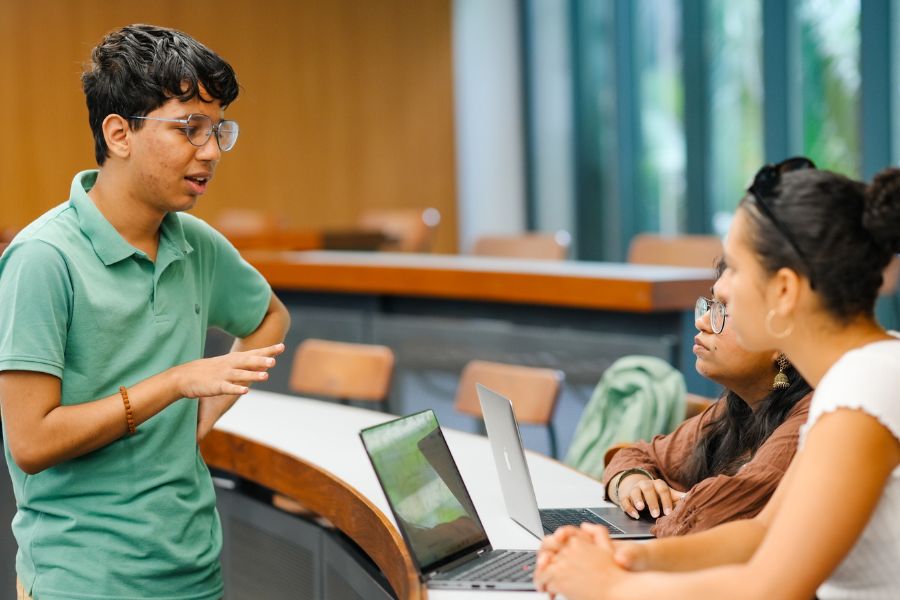
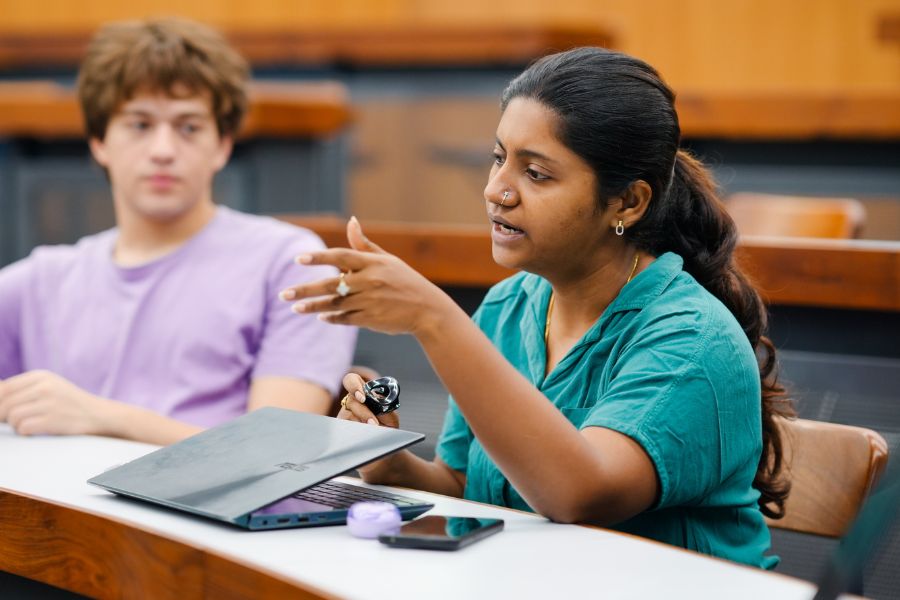
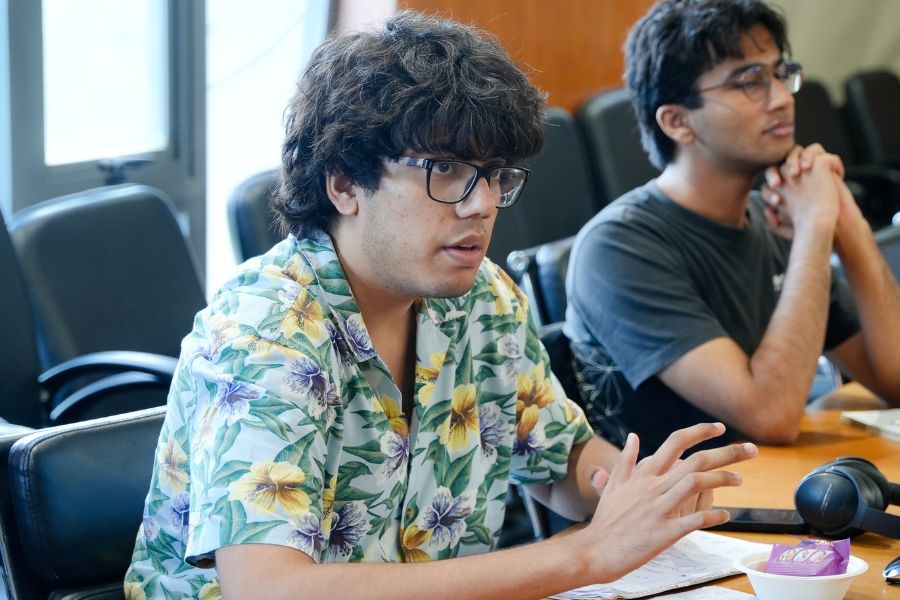
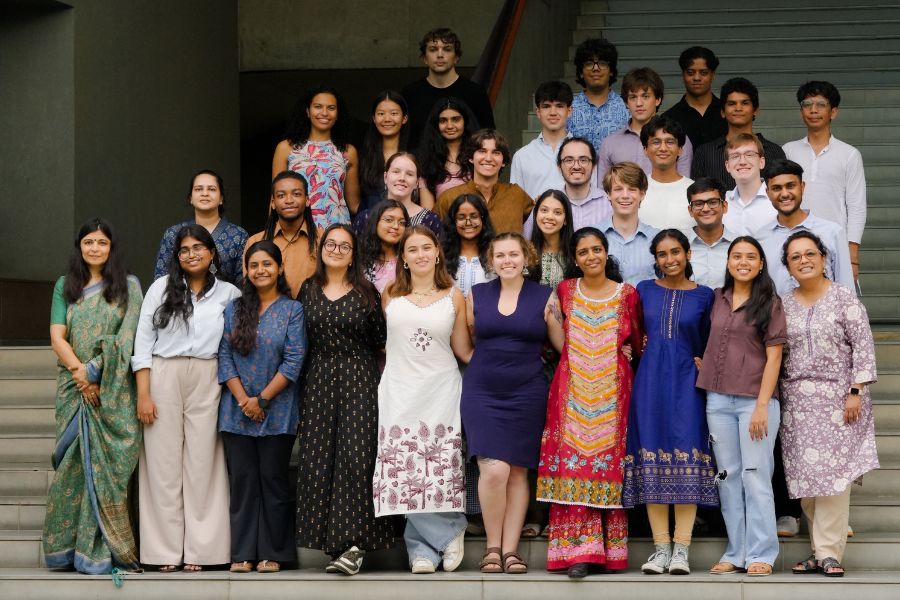
The second cohort of the India Summer Fellows Programme brought together students from the University of Chicago and Ahmedabad University for hands-on learning. Over the course of two immersive weeks, students explored how rapidly growing economies can balance climate action with sustainable development through interdisciplinary classroom learning and experiential field engagement.
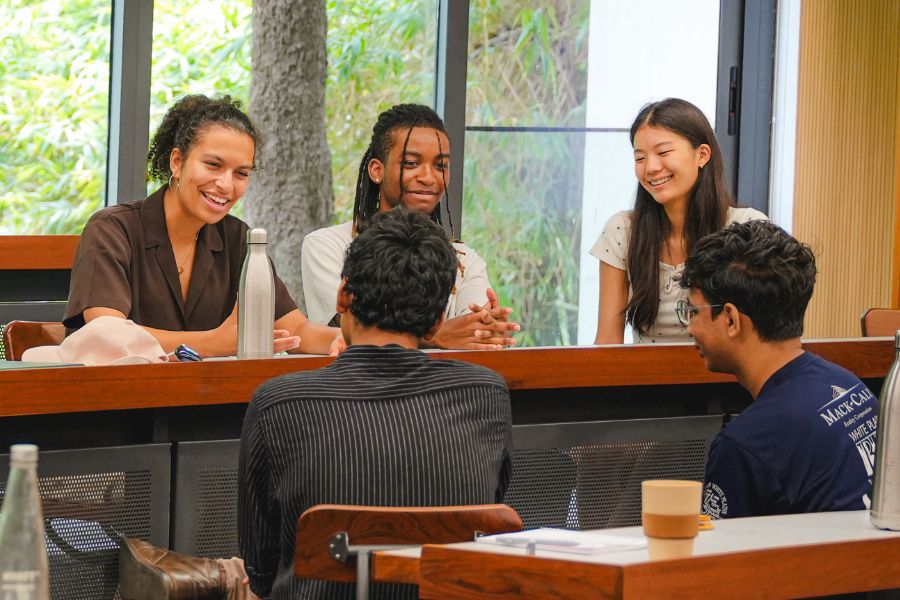
Held from July 6–17, the Climate Fellows Programme 2026 is a joint initiative of the UChicago Institute for Climate and Sustainable Growth and the Climate Institute at Ahmedabad University. Fifteen UChicago College students joined their peers at Ahmedabad University for over 20 sessions and field immersions with researchers, policymakers, entrepreneurs, and practitioners across the climate and energy sectors.
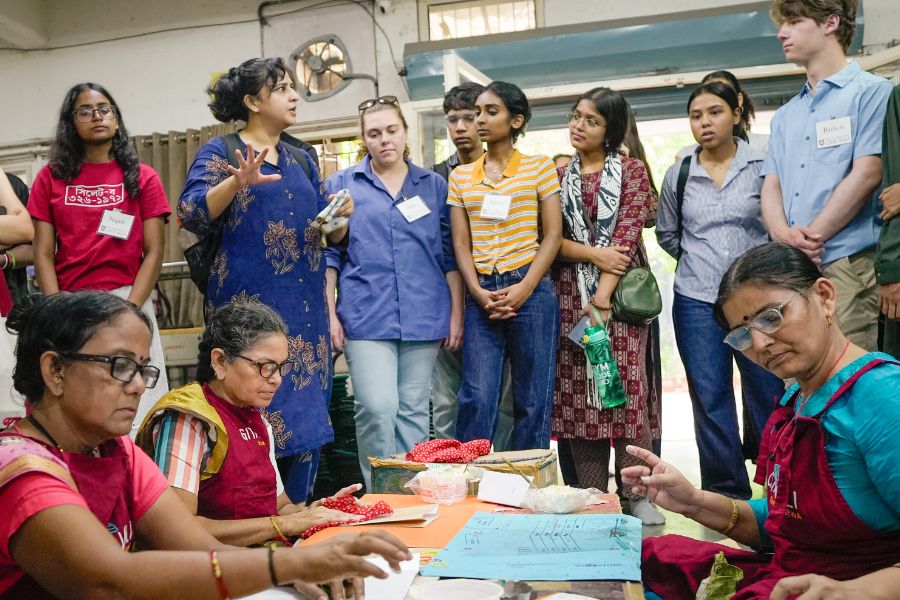
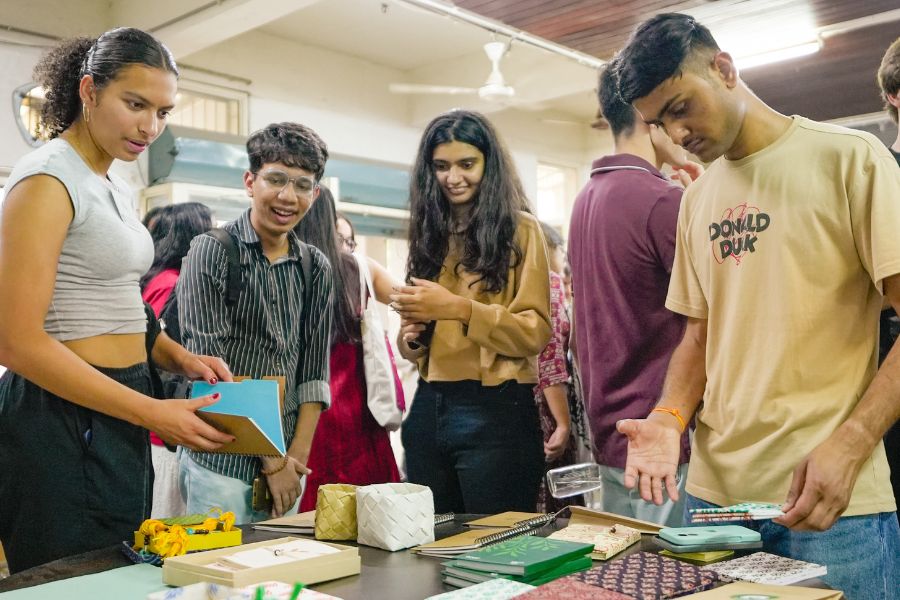
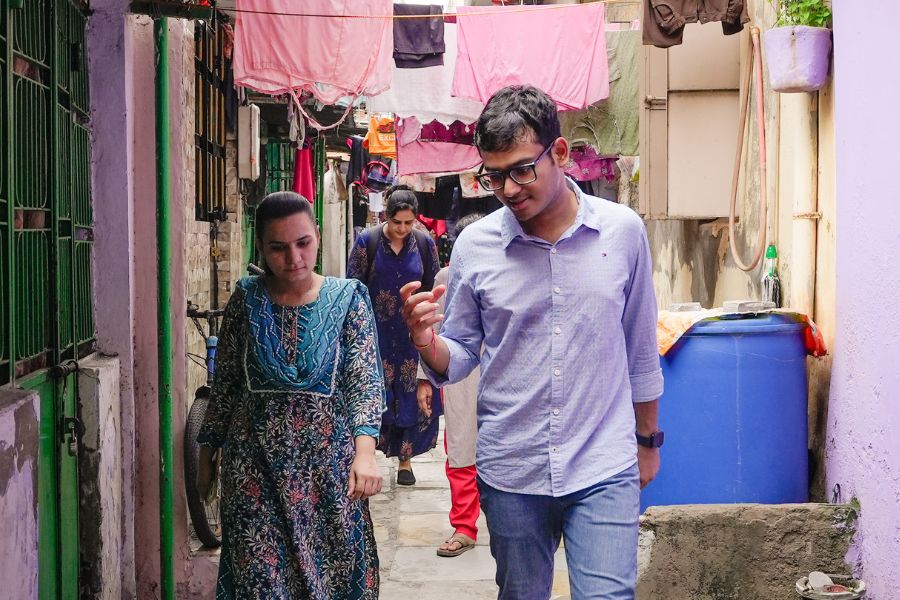
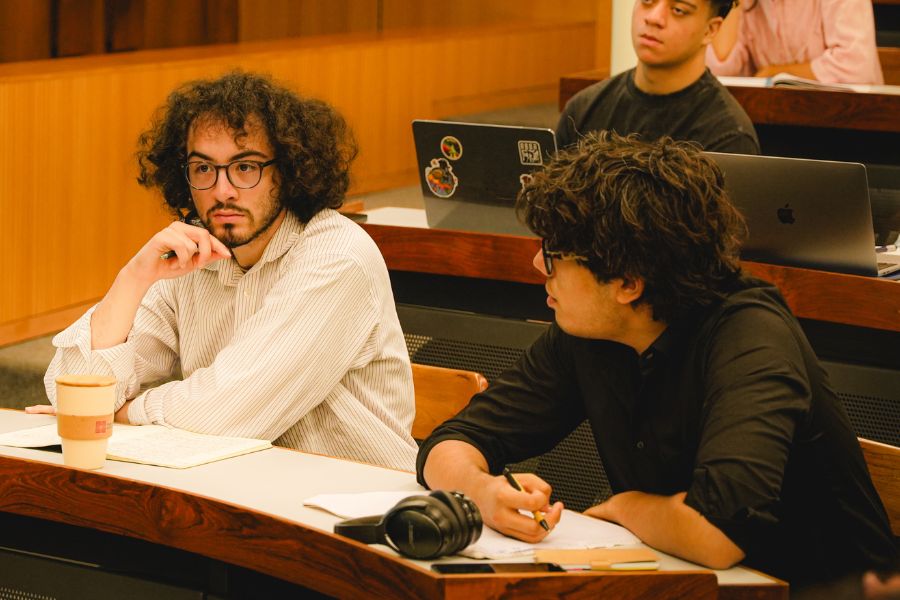
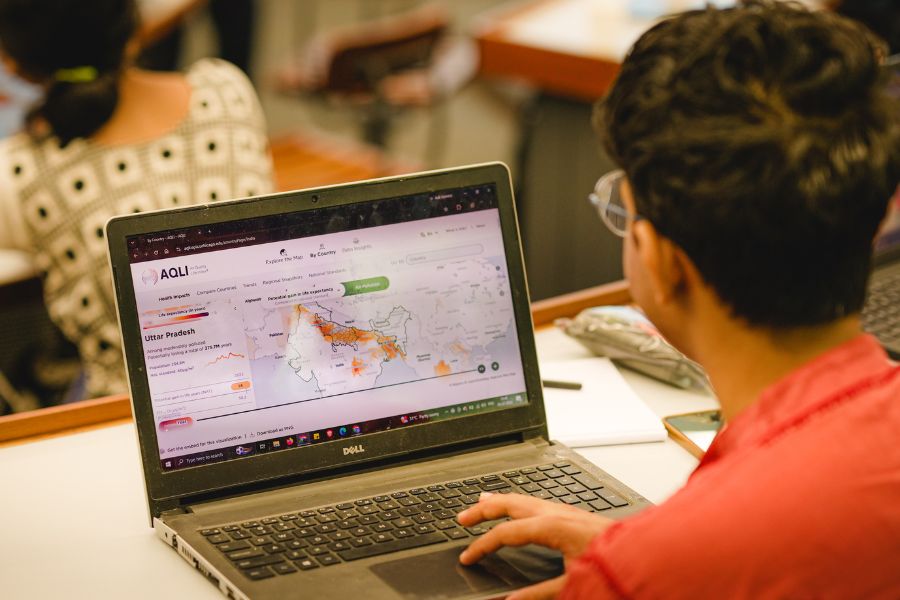
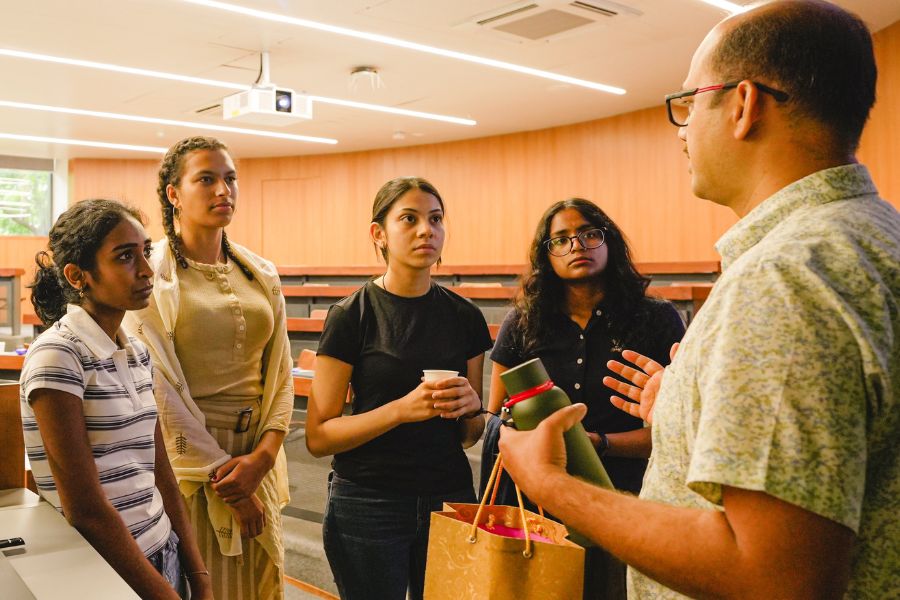
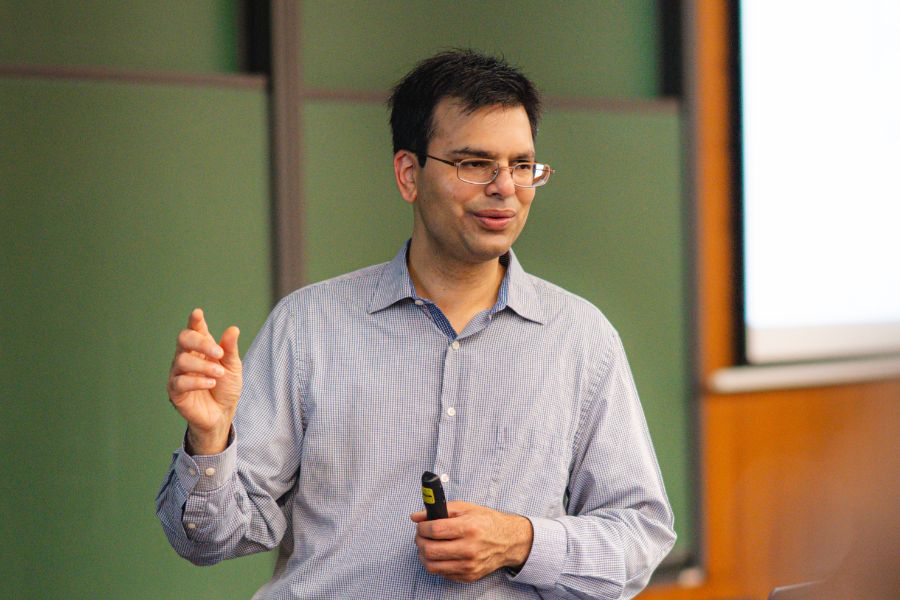
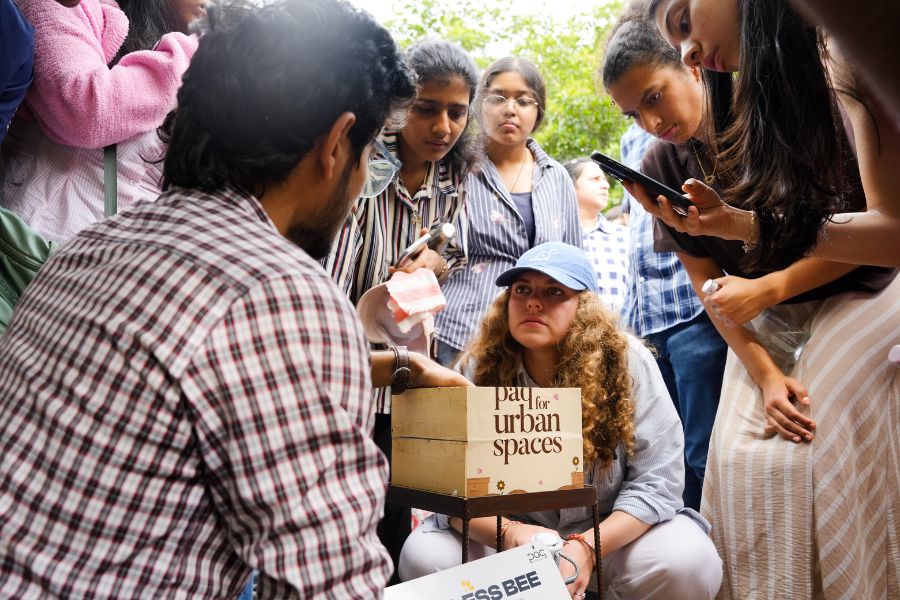
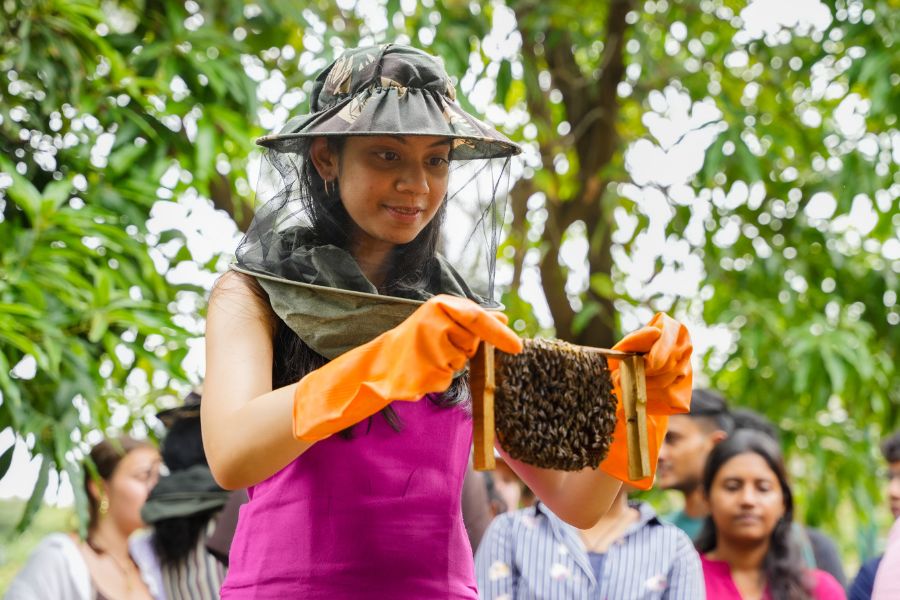
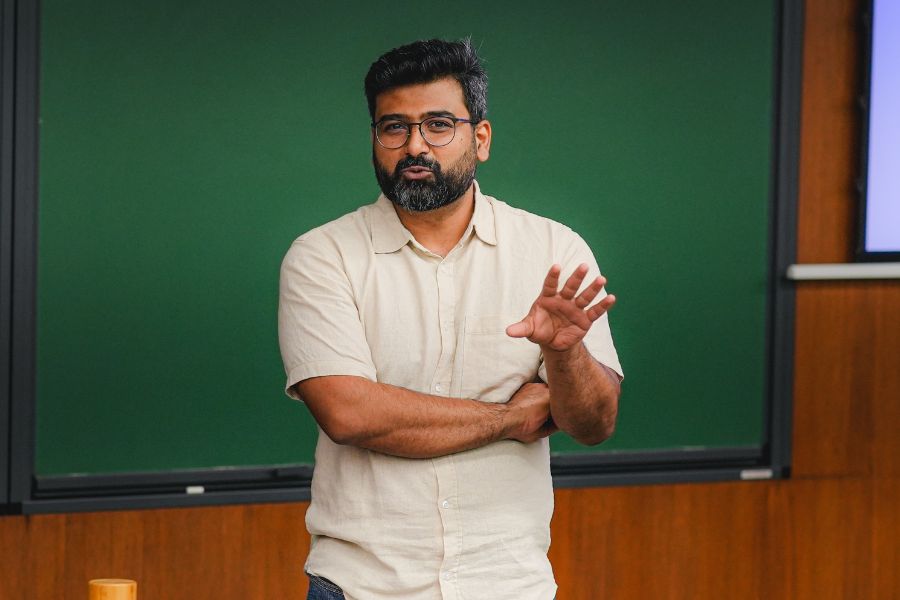
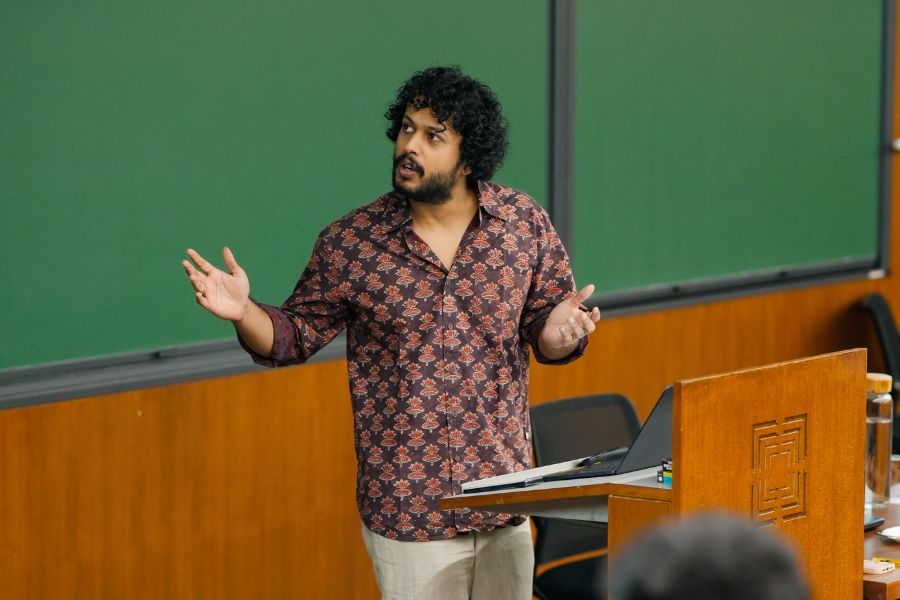
The sessions covered the physical science of climate change, global climate governance, urban heat and flooding, housing and climate justice, sustainable mobility, climate finance, carbon markets, data science and machine learning, and climate communication. Field visits to SEWA, Jindal Worldwide Limited, the High-Level Committee on Urban Planning, and the beekeeping initiative Project Adopt a Queen connected classroom learning to on-the-ground realities.
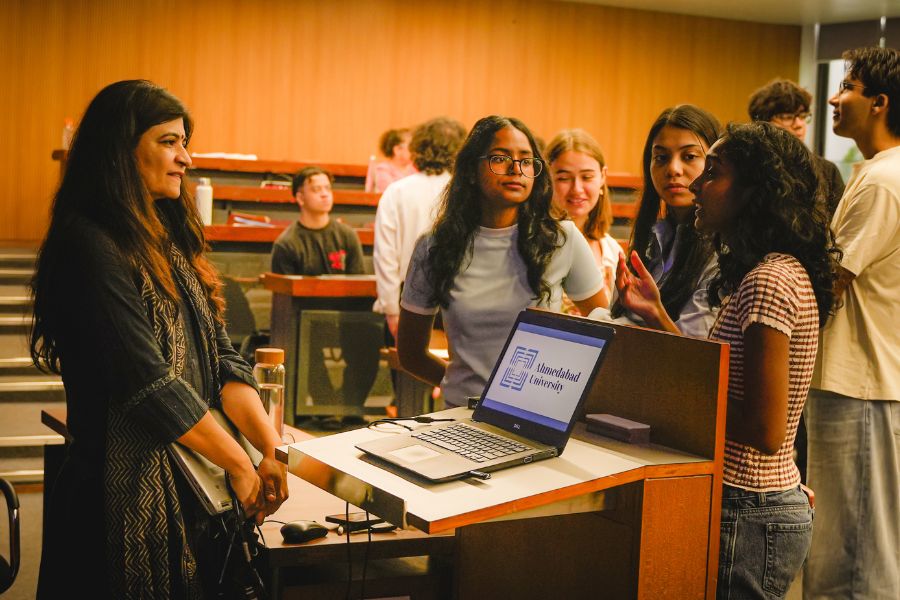
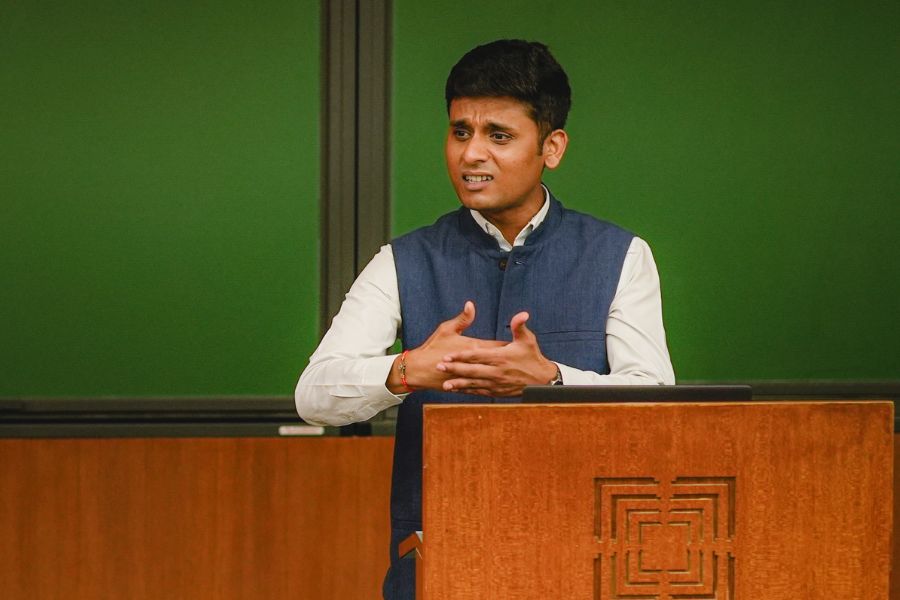
“The next generation of climate leaders must understand not only the science of climate change, but also how research translates into real-world solutions,” said Kaushik Deb, Executive Director of EPIC India. “The programme brings future thinkers from both universities to a common ground, where they engage directly with cutting-edge research and see first-hand how evidence informs policy and action.”
Minal Pathak, Academic Director of the Climate Institute at Ahmedabad University, added: “Combined with immersive field experiences, it allows participants to engage with climate and development not just as a concept, but as a lived reality. That blend of diverse perspectives and on-the-ground learning is what makes this fellowship unique.”
The programme concluded with a group project, “Fix One Climate Pain Point,” where fellows chose a city in India or the Global South, identified a climate-linked challenge, and proposed an actionable intervention addressing adaptation, mitigation, or development with climate co-benefits. Final presentations covered problem analysis, solutions, implementation, and financing trade-offs before faculty from UChicago and Ahmedabad University.
By equipping fellows with interdisciplinary knowledge and practical tools, the Climate Fellows Programme continues to strengthen the bridge between global scholarship and local climate action.