7 November 2025
Reimagining the Role of Science Journalism
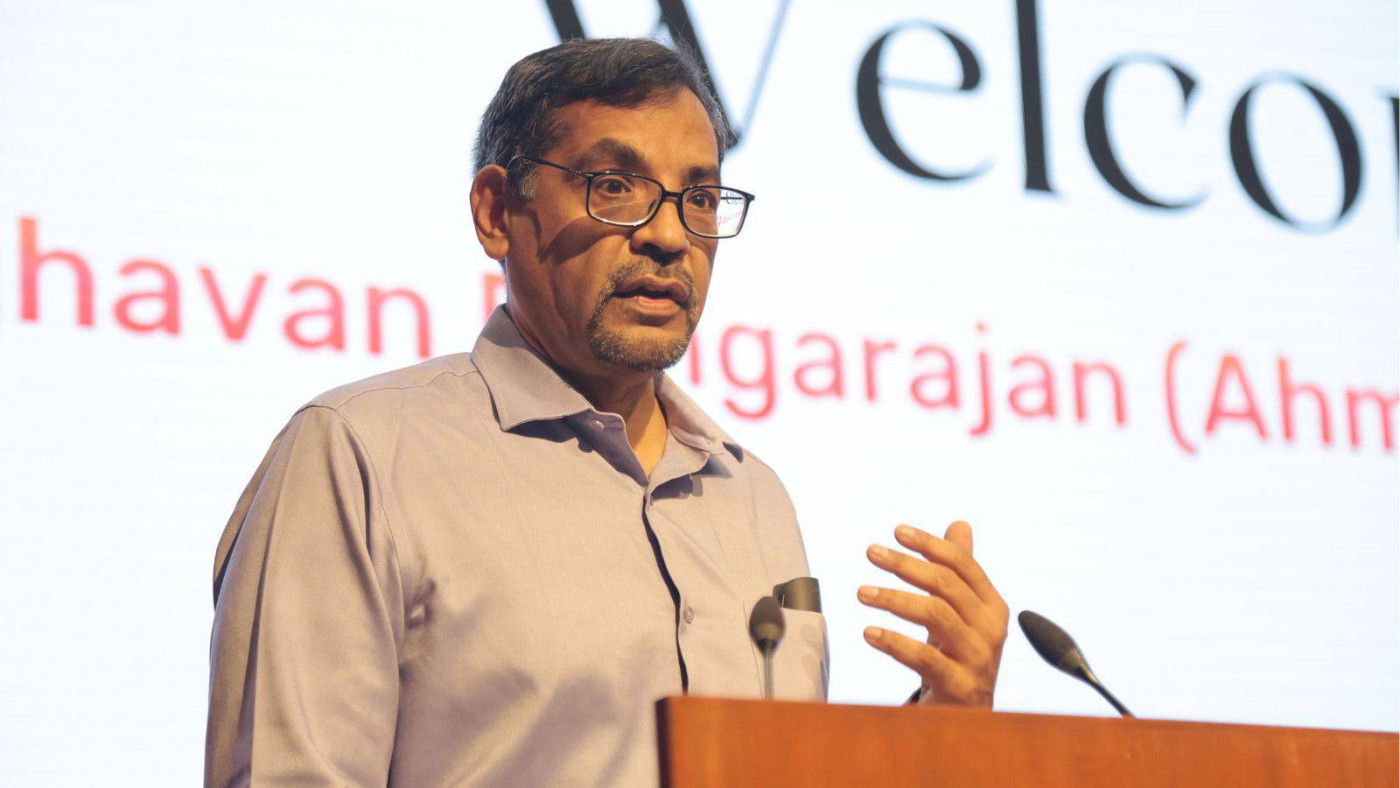
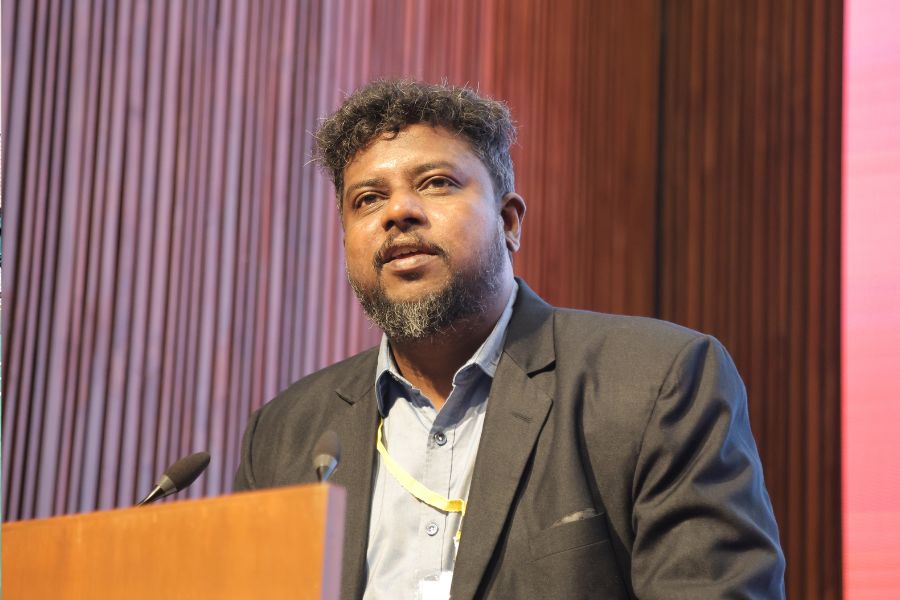
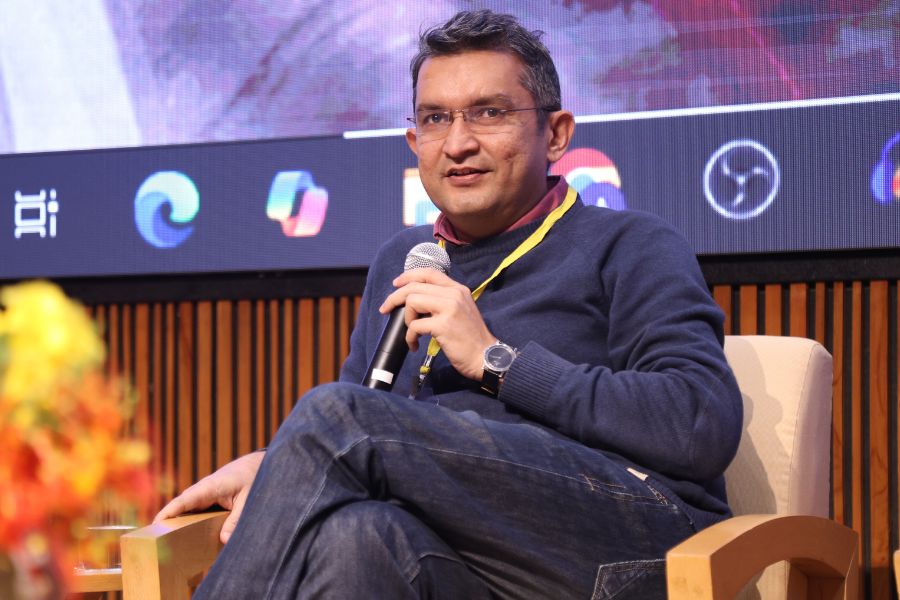
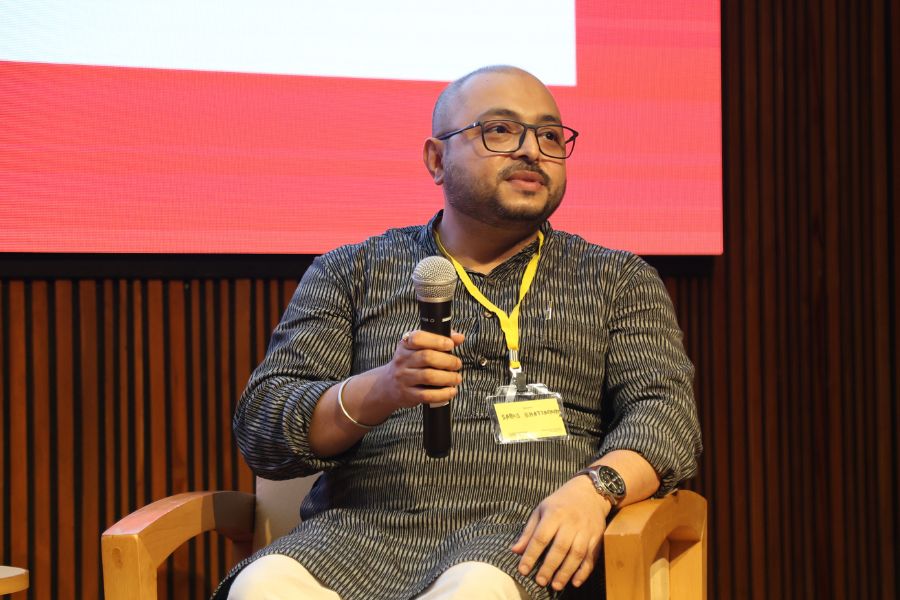
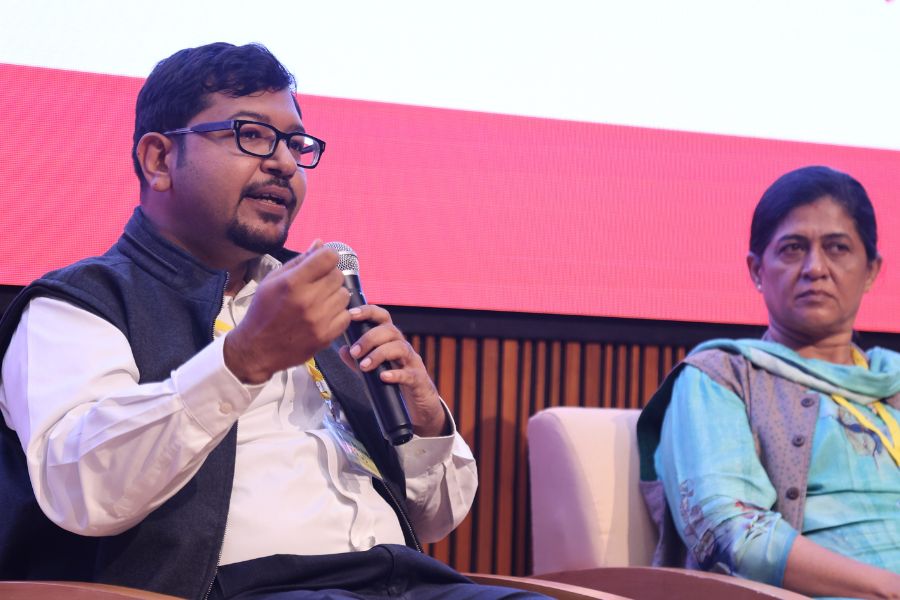
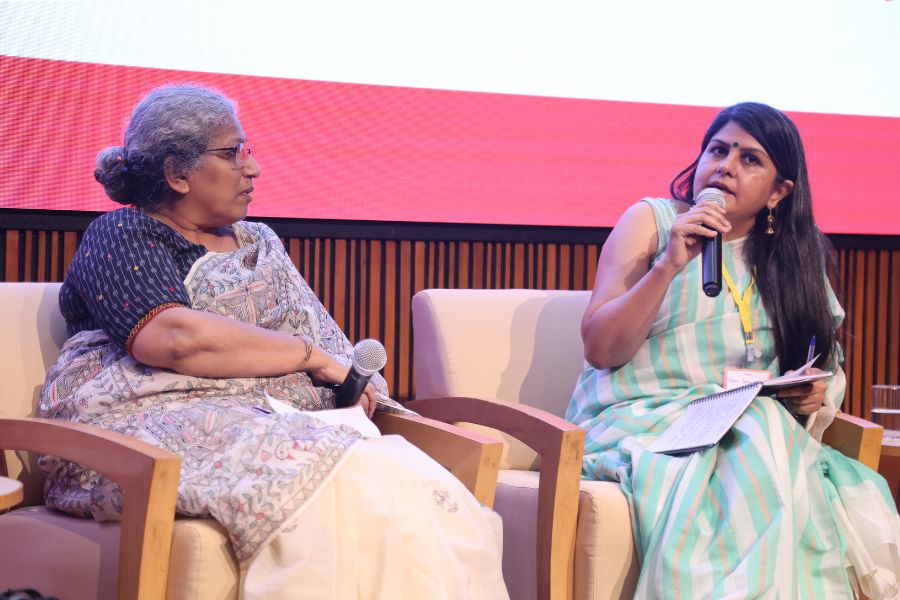
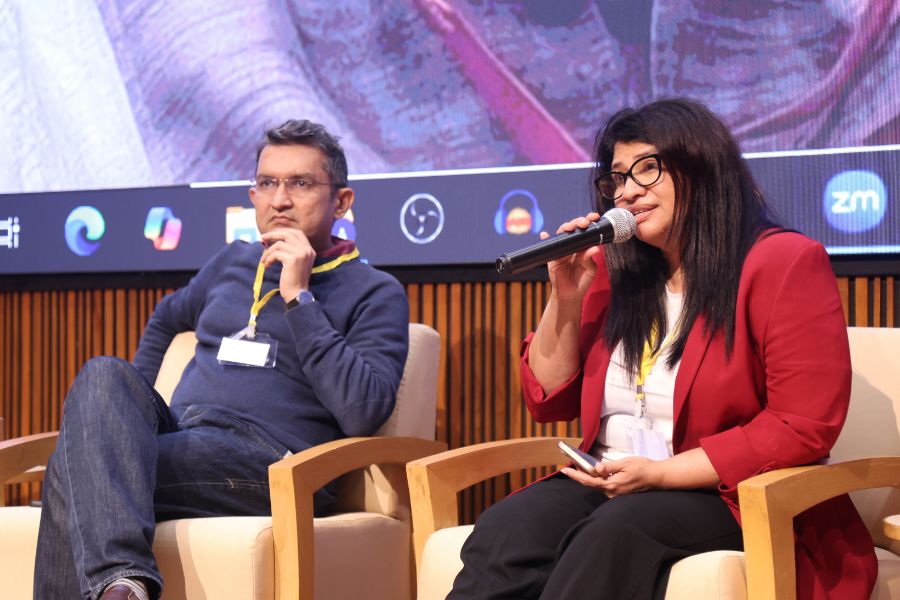
Journalists are the bridge between laboratories and society, carrying stories of research that shape the world and its future. At the Science Journalists Association of India Conference 2025, hosted at Ahmedabad University, that bridge was re-examined through the lens of Science Solutions Journalism in a Fragmented World. The theme invited participants to consider how science stories can move beyond reporting problems to highlighting credible, context-specific solutions.
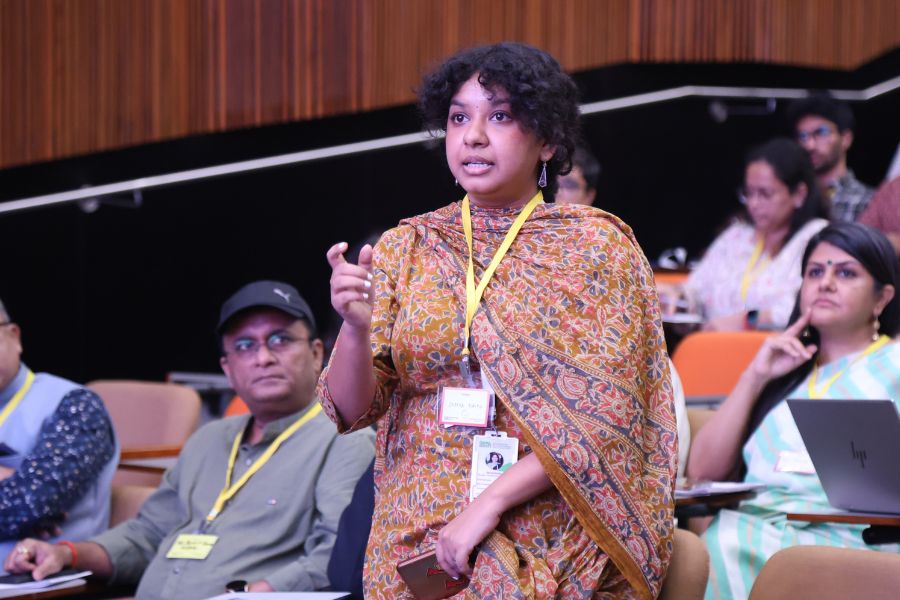
Over two days, conversations moved across topics as varied as antimicrobial resistance, climate communication, synthetic biology, and artificial intelligence. Participants, including journalists, researchers, academicians, scientists, and policymakers, discussed how transparency and local context can rebuild trust, how interdisciplinary storytelling can make science more inclusive, and how collaboration between academia and the media can ensure that research informs policy and public life more meaningfully.
The discussions at the conference reflected a growing recognition that science communication is no longer peripheral to science itself but integral to how society understands and acts on knowledge. Participants explored how journalists and researchers can work together to move beyond crisis reporting and foster narratives that connect scientific discovery with everyday life. The idea of solutions journalism resonated as a shared responsibility, one that demands curiosity, empathy, and a willingness to engage deeply with both data and human experience.
Ahmedabad University’s interdisciplinary environment, where ideas move freely between the sciences, humanities, and social sciences, provided a fitting backdrop for conversations about the future of science journalism. In nurturing such dialogue, the University continues to shape a culture where research, reflection, and responsible storytelling come together to serve society.