28 April 2026
Ahmedabad University Researchers Develop a Nanocarrier System for the Targeted Delivery of siRNA Against Chronic Inflammation
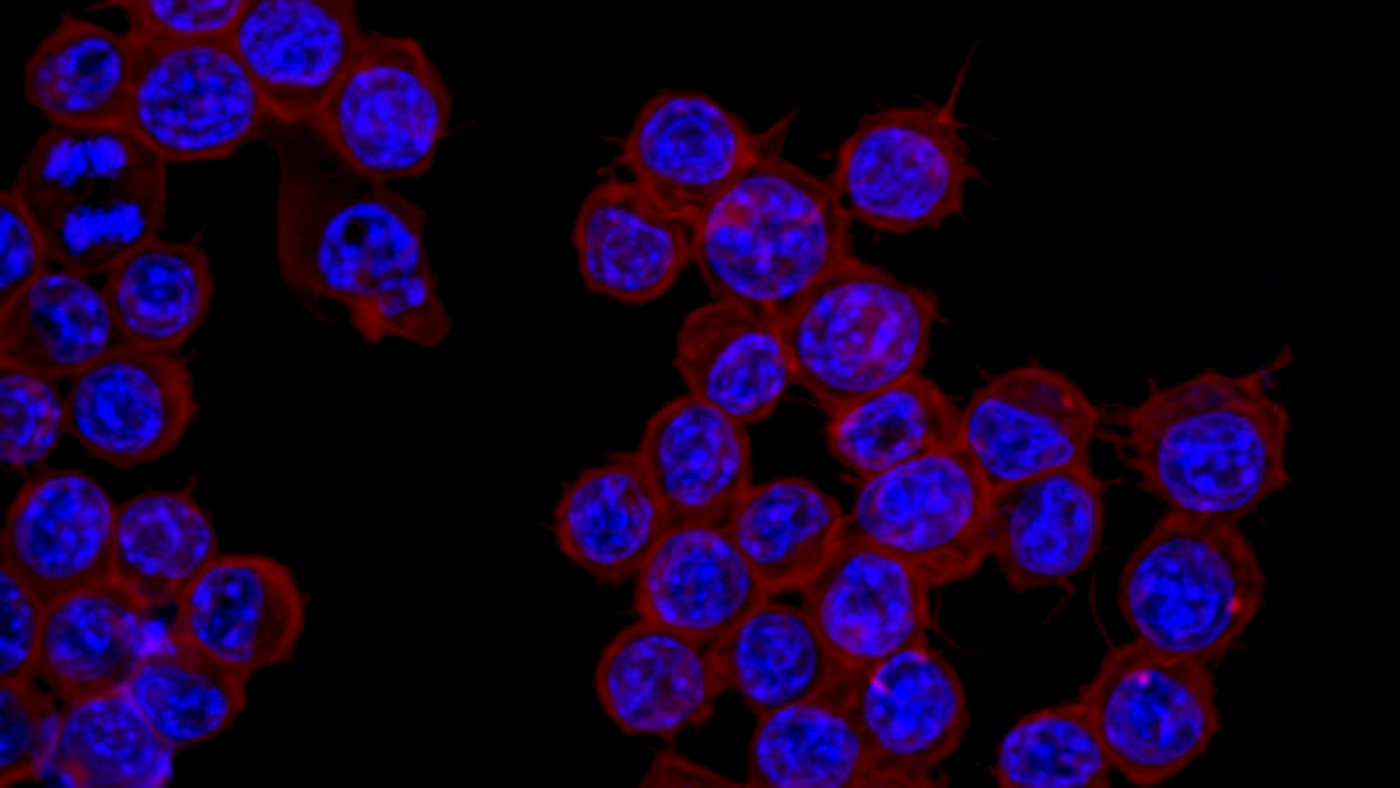
Chronic inflammation fuels the progression of some of the hardest diseases to treat such as rheumatoid arthritis, lupus, and inflammatory bowel disease. Macrophages are the major immune cells responsible for inflammation, where pro-inflammatory state continuously releases cytokines that recruit more immune cells, resulting in tissue damage. This creates an inflammatory loop, and conventional therapies like steroids fall short due to inefficacy and off-target adverse effects. Biologics that block specific cytokines work for some patients, but suppress immunity system-wide, leaving patients exposed to infection and long-term organ damage. Many patients eventually stop responding to treatment altogether.
A team of researchers led by Professor Ashutosh Kumar from Ahmedabad University’s School of Arts and Sciences, along with research scholars Haly Shukla, Simran Nasra, and Milonee Patel, has engineered an advanced nanoparticle system capable of delivering gene-silencing therapy specifically to inflamed macrophages. The work was published in Communications Biology, a Nature Portfolio journal, in 2026.
The therapy is called siIL-1β-anti-CD44-Liposomes, or SIL, and it works on three levels. It carries a small interfering RNA (siRNA) that silences the gene for interleukin-1 beta (IL-1β), a cytokine secreted via inflammatory macrophages. Knocking it down at the gene level disrupts the entire downstream inflammatory cascade rather than blocking upstream pathways. The siRNA is packaged inside a liposome, a lipid bilayer vesicle that protects the RNA from being degraded in the bloodstream before it reaches its target. The liposomes are engineered with surface-bound antibodies against CD44, a receptor that is overexpressed specifically on activated, pro-inflammatory macrophages. This guides SIL to the inflammatory cells and away from healthy ones, thus facilitating targeted delivery and reducing the off-site adverse effects.
In cell culture experiments on LPS-activated macrophages, SIL significantly reduced IL-1β, TNF-α, IL-6, and iNOS - the key drivers of the inflammatory cascade, and the anti-inflammatory cytokine IL-4 increased 20-fold. Macrophages that had shifted to an aggressive inflammatory morphology returned to a resting shape after treatment. SIL also altered how macrophages communicate with T cells, reducing the co-stimulatory signals and markers that facilitate the T cells into sustaining inflammation.
In a mouse model of chronic inflammation, SIL reduced C-reactive protein, a standard marker of systemic inflammation, by up to 8-fold compared to untreated animals, and reducing pro-inflammatory cytokine levels by 60–70%. Tissue examination of the liver, spleen, kidneys, and lungs showed restoration of normal architecture, while hematological analysis showed no signs of systemic toxicity. The liposomes also address a major challenge in RNA therapeutics by exhibiting a uniform size of 131nm, and stability in size for over 10 months. Additionally, they show exceptional encapsulation efficiency of upto 97%, highlighting their potential as a robust platform for RNA delivery. Further studies in disease-specific models and long-term safety assessments are needed before clinical application, but the findings establish a clear proof of concept for RNA-based, cell-targeted nanomedicine as a viable direction for conditions underlying chronic inflammation. The research was funded by the Gujarat State Biotechnology Mission (GSBTM) and carried out at Ahmedabad University.