
Biological and Life Sciences
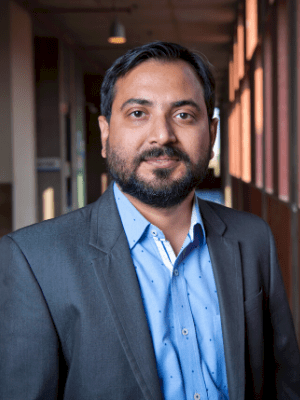
Ashutosh Kumar
Associate Professor
PhD (Integral University)



Research Interests: Nanomedicine, Targeted Drug Delivery, RNA Therapeutics, Immunoliposomes, Macrophage polalization, Rheumatoid Arthritis, Breast Cancer
Profile
Ashutosh Kumar works as an Associate Professor in the Division of Biological and Life Sciences, School of Arts and Sciences, Ahmedabad University, Gujarat, India. He obtained his Master’s degree in Applied Microbiology from Vellore Institute of Technology, Vellore in 2008 and worked at CSIR-Indian Institute of Toxicology Research, Lucknow for his Doctorate degree and was involved in understanding the fate of nanomaterials on biological systems. His current research areas of interest include nanomedicines for cancer and arthritis therapy, DNA Biochip for pathogen detection, nanobased drug and gene delivery, nanoemulsions for food industries, environmental nanotechnology and nanotoxicology.
His group works at nano-bio interface and have passion for understanding the effects of nanotechnology on the human life and environment at large. His deep understanding of the environment combined with his skills in nanotechnology and his versatile analytical understanding of different animal systems allowed him to make significant seminal contributions to the field of environmental nanotechnology. In past, Professor Kumar’s research work has been focused on development of new methods for nanomaterial safety in India. He has developed a novel method for the detection of uptake of nanoparticles in live cells for several generations. Additionally, he has been involved in studying the potential effect of nanoparticles on human cells, mice and aquatic organisms including zebrafish and Tetrahymena. His understanding of the role of abiotic factors in influencing the nanotechnology outcomes of biotic community is outstanding and by far an exemplar in the field. His study makes a significant contribution to understand the possible negative effects of novel technological solutions and the ways to mitigate them.
He has supervised 27 master’s thesis, 5 doctoral thesis and published close to 60 international research articles, 23 book chapters and 3 edited books. His contribution in the field has led to the publication of multiple articles in high impact factor journals. Some of his contributions have also been extensively discussed in the policy documents such as “Guidance on the safety assessment of nanomaterials in cosmetics, prepared by Scientific Committee on Consumer Safety (SCCS), European union, 2019” and in “United Nations in the Asia-Pacific research and training network in Science, Technology & Innovation (STI) policies for sustainable development”.
The impact of his research and his contributions to the field are also evident from the awards won by Ashutosh at this young age. He has won the “Indian National Science Academy (INSA) Medal for Young Scientist 2014” in the area of Health Sciences. Similarly, he won the National Academy of Sciences India (NASI) - Young Scientist Platinum Jubilee Award (2015) in the field of Bio-medical, Molecular Biology and Biotechnology, DBT Young Investigator Award and vLife Science Best Publication Award.
Research
1. Nanomedicine laboratory - Functionalized Nanoparticles for Targeted Biosensing & Biological Applications
The Nanomedicine Lab integrates nanotechnology with disease biology and materials science to develop advanced solutions for pressing healthcare challenges. Our lab designs sophisticated lipid-based, polymeric, and inorganic nanoparticle platforms for targeted delivery of RNA therapeutics such as siRNA, miRNA, and aptamers alongside small-molecule drugs. Treating complex diseases effectively requires delivery systems capable of precise localization to pathological sites, maximizing therapeutic efficacy while reducing systemic toxicity. To achieve this, our nanocarriers are engineered with mAbs, peptides, and other ligands that bind with high affinity to biomarkers selectively overexpressed in malignant or inflamed microenvironments. This strategy is based on a detailed understanding of disease pathophysiology, allowing for treatments that target both the visible symptoms and the molecular causes driving the condition. A central focus of our research is modulating immune cells, particularly macrophages, and the inflammatory pathways that drive disease progression.
By engineering stimuli-responsive and disease-specific nanocarriers, the Nanomedicine Lab aims to enhance therapeutic outcomes in diseases resistant to conventional treatments. These nanosystems are designed to sense endogenous biological cues such as pH gradients and release their payloads in a spatially controlled manner. Furthermore, we incorporate near-infrared absorbing nanomaterials, including gold and semiconductor nanostructures, to enable photothermal theranostics. This multimodal approach combines localized hyperthermia-induced cytotoxicity with a targeted drug and RNA delivery, providing a synergistic strategy to overcome multidrug resistance and improve clinical efficacy in challenging cancer models. Our research pipeline integrates in vitro studies using disease-relevant cell lines with advanced zebrafish tumor xenograft models to investigate nanoparticle biodistribution, pharmacokinetics, tumor targeting, and therapeutic efficacy in vivo. The inherent optical transparency and genetic tractability of zebrafish enable real-time, high-resolution visualization of nanoparticle dynamics within tumor microenvironments. Complementary preclinical evaluation in specialised rodent models provides us with comprehensive insights into pharmacodynamics, toxicity profiles, and immunomodulatory effects, thereby substantiating the translational potential of these nanomedicines for clinical application.
Long-term prospects:
Clinical applications of nanomedicines and programmable DNA nanodevices for delivery of therapeutic agents to targeted sites.
2. Hazard Identification and Risk Assessment of New Chemical Entities
The growth rate of the Indian plastics industry is one of the highest in the world, with plastics consumption growing at 16% per annum. The Indian plastics market is comprised of around 25,000 companies and employs 3 million people. The State of Gujarat is the leading plastics processing hub and accounts for the largest number of plastics manufacturers, with over 5,000 plastics firms. Microplastics, either manufactured or formed through ageing and weathering processes are a potential planetary boundary threat, resulting in human exposure via dietary intake and inhalation. Microplastics can be small enough to be engulfed by cells, where they are transported by the lymphatic and blood systems and have the potential to bioaccumulate. The principal aim of this project is to obtain fundamental knowledge about:-
- Identification of sources, pathways and exposure to microplastic contamination
- Method Development to quantify and characterize the microplastics
- Investigating the effect, fate, accumulation and biomagnification potential of microplastics.
- Development of strategies and approaches to remove the microplastics partially/completely from the water bodies
- Developing Citizen Science Programs to engage the students in microplastic research and mitigation efforts.
- Applying Science to Policy
Long-term prospects:
Hazard identification and risk assessment of NCEs to human and environmental health and development of strategies to mitigate them.
(ONGOING)
-
Principal Investigator, Synergistic Chemotherapy and microRNA Intervention via Liposome-mediated Delivery System targeting HER2: A Comparative Study between miR155/Paclitaxel and miR145/Docetaxel Combinations against Drug-resistant Breast Cancer Funded by Indian Council of Medical Research, Government of India Rs. 74 lakhs (2024-2027)
-
Project Coordinator and Principal Investigator, Co-delivery of Methotrexate and RELA siRNA using Nanoscale DNA Tetrahedrons and Folate Liposomes to Synergistical/y Target Synovial Macrophages in Rheumatoid Arthritis Funded by Gujarat State Biotechnology Mission (GSBTM), Government of Gujarat, Rs. 79.38 lakhs (15 Dec 2023-26)
-
Co-Investigator, Imaging and Flow Cytometry Centre at Ahmedabad University. Funded by Department of Biotechnology, Government of India, Rs. 448 lakhs (2022-27)
-
Principal Investigator, Study of Earth Surface Processes at three different Critical Zones with Different Climatic and Geologic Settings in Western India. Funded by Ministry of Earth Sciences, Government of India, Rs 24.99 Lakhs (2021-24)
(PROJECTS COMPLETED)
-
Principal Investigator, Establishment of a Facility for Environmental Risk Assessment of Chemicals and Nanomaterials. funded by The Gujarat Institute of Chemical Technology, Rs. 43.52 Lakhs (2017-24)
-
Principal Investigator, (DBLS), Advanced nanotracers for product life cycle assessment and product monitoring. (Multi Institutional Project) Funded by IMPRINT- Ministry of Human Resource Development, Government of India,Rs. 24.28 lakhs (2018-22)
-
Principal Investigator, Nanosensors for the Detection of Food Adulterants and Contaminants. Funded by Science and Engineering Research Board (SERB),Department of Science and Technology, Government of India, Rs. 40 lakhs (2017-21)
-
Principal Investigator, NanoToF: Toxicological evaluation and risk assessment on Nanomaterials in Food. Funded by Department of Biotechnology, Government of India, Rs. 30 lakhs (2015-20)
-
Project Investigator, DNA Biochip for on-site water pathogen detection including viability and antibiotic resistance testing, Funded by Indo-German Science & Technology Cooperation (IGSTC), Rs. 82.9 lakhs (2016-20)
-
Co Investigator, Centre for Nanotechnology Research and Applications. Funded by The Gujarat Institute of Chemical Technology, Rs. 9.15 Crores (2013-16)
-
Principal Co-Investigator, Development of low cost devices as an early warning system for prevention of diabetes. Funded by The Gujarat Institute of Chemical Technology, Rs. 85 lakhs (2012-15)
-
Project Participant, Development of reference methods for hazard identification, risk assessment and LCA of engineered nanomaterials (NANOVALID). European Union grant, EU-FP7; Rs. 1.22 Cr. (2011-15)
Publications
Research Articles and Reviews
- Krupa Kansara, Keya Jantrania, Shaivee Chokshi, Dhiraj Bhatia & Ashutosh Kumar. Prospects of DNA nanotechnology in stroke repair and regeneration. Nature - Communications Biology, 9, 906 (2026).
- Satyam Bhalerao, Jugal Patil, Abdul Mansuri, Ankur Singh, Bhagyesh Parmar, Raghu Solanki, Ashutosh Kumar, Ashish Patel, Dhiraj Bhatia, Nilesh Makwana. Green synthesis of fluorescent carbon quantum dots from bearberry (Arctostaphylos uva-ursi) extract via hydrothermal and microwave-assisted routes: Comparative physicochemical characterisation, antioxidant activity, and biocompatibility evaluation. Nano-Structures & Nano-Objects, 48, 101763, (2026).
- Haly Shukla, Simran Nasra, Milonee Patel, Dhiraj Bhatia & Ashutosh Kumar. CD44-targeted immunoliposomes for IL-1β knockdown modulate macrophage-mediated inflammation. Nature - Communications Biology, 9,1044 (2026).
- Abdul Khalik Mansuri, Hetvi Joshi, Ashutosh Kumar, Dhiraj Bhatia. DNA nanotechnology for cell engineering and immunotherapy. Next Bioengineering. 2, 100019 (2026).
- Ankesh Kumar, Raghu Solanki, Geethu Prakash, Abdulkhalik Mansuri, Ashutosh Kumar, Dhiraj Bhatia, Pankaj Yadav. Selective cellular uptake and cytotoxicity effects of fluorescent carbon dots: a comparative study in cancer and normal cells. Materials Advances, 7(1), 495-508 (2025).
- Abdulkhalik Mansuri, Charvi Trivedi, Shaivee Chokshi, Keya Jantrania and Ashutosh Kumar. Phthalate Exposure: Prevalence, Health Effects, Regulatory Frameworks, and Remediation. Chemical Research in Toxicology. 38(8), 1291–1308 (2025). Published as a cover-page article
- Krupa Kansara, Abdulkhalik Mansuri, Ashutosh Kumar* and Dhiraj Bhatia*. DNA nano-biomaterials-based futuristic technologies for tissue engineering and regenerative therapeutics. Small 21(31), e2504361(2025). *Corresponding Authors
- Jhanvi Patel, Kikku Sharma, Ramesh Chaudhari, Ashutosh Kumar and Souvik Sengupta. Antileishmanial activity of fenugreek, thyme, and rosemary essential oil nanoemulsions - a comprehensive study with mechanistic insights. Journal of Molecular Liquids 434,128008 (2025).
- Payal Vaswani, Sanjay Kosara, Krupa Kansara, Ashutosh Kumar and Dhiraj Bhatia. Neurotransmitter-loaded DNA nanocages as potential therapeutics for α-synuclein-based neuropathies in cells and in vivo. ACS Chemical Neuroscience. 16(11), 2100–2109 (2025).
- Ramesh Chaudhari, Vishva Patel, Bharti Malvi, Superb K. Misra and Ashutosh Kumar. Maximising Efficacy in HER2-Positive Breast Cancer: Immunoliposomal Co-Delivery of miR155 Inhibitor and Paclitaxel for Targeted Therapy. Journal of Materials Chemistry B, 13(4), 1350 –1362 (2025).
- Aditya Teja Guduru, Arunima Singh, Abdulkhalik Mansuri, Snigdha Khuntia, Ashutosh Kumar and Sameer Dalvi. Magnetic nanoparticle loaded ozone microbubbles for effective degradation of organic pollutants from sewage water. Journal of Water Process Engineering. 71, 107283 (2025).
- Krupa Kansara, Anwesha Laha, Ashutosh Kumar* and Dhiraj Bhatia*. Programmable DNA-Based Nanodevices for Next-Generation Clinical and Healthcare Applications. Advanced Biology 9(4), 2400593 (2025).
- Aditi Verma, Krunal Patel and Ashutosh Kumar. Targeting Drug Resistance in Breast Cancer: The Potential of miRNA and Nanotechnology-Driven Delivery Systems. Nanoscale Advances. 6 (24), 6079–6095 (2024).
- Abdulkhalik Mansuri, Charvi Trivedi and Ashutosh Kumar. Impact of Virgin and Weathered Microplastics on Zebrafish: Bioaccumulation, Developmental Toxicity and Molecular Pathway Disruptions. Science of the Total Environment 957, 177510-26 (2024).
- Mohini Ghorpade, Abdulkhalik Mansuri, Ashutosh Kumar and Sriram Kanvah. Diphenylbutadiene Fluorescent Analogues in Sub-Cellular Imaging and Monitoring Mitophagy. Chemistry – An Asian Journal, 19 (21), e202400600 (2024).
- Simran Nasra, Sanjali Pramanik, Vidhi Oza, Krupa Kansara & Ashutosh Kumar. Advancements in wound management: integrating nanotechnology and smart materials for enhanced therapeutic interventions. Discover Nano, 19, 159-190 (2024).
- Hardik Patni, Ramesh Chaudhary and Ashutosh Kumar. Unleashing nanotechnology to redefine tumor-associated macrophage dynamics and non-coding RNA crosstalk in breast cancer. Nanoscale, 16 (39), 18274-18294 (2024).
- Anwesha Laha, Simran Nasra, Dhiraj Bhatia and Ashutosh Kumar. Advancements in rheumatoid arthritis therapy: a journey from conventional therapy to precision medicine via nanoparticles targeting immune cells. Nanoscale, 16 (32), 14975–14993 (2024).
- Ramesh Singh, Krupa Kansara, Pankaj Yadav, Sandip Mandal, Ritu Varshney, Sharad Gupta, Ashutosh Kumar, Prabal Kumar Maiti and Dhiraj Devidas Bhatia. DNA Tetrahedral Nanocages as a Promising Nanocarrier for Dopamine Delivery in Neurological Disorders. Nanoscale, 16 (32), 15158-15169 (2024).
- Pankaj Yadav, Dawson Benner, Ritu Varshney, Krupa Kansara, Krupa Shah, Landon Dahle, Ashutosh Kumar, Rakesh Rawal, Sharad Gupta, Dhiraj Bhatia. Dopamine-Functionalized, Red Carbon Quantum Dots for In Vivo Bioimaging, Cancer Therapeutics, and Neuronal Differentiation. ACS Applied Bio Materials, 7(6), 3915–3931 (2024).
- Simran Nasra, Dhiraj Bhatia and Ashutosh Kumar. Targeted Macrophage Re-Programming: Synergistic Therapy With Methotrexate and RELA siRNA Folate-Liposome in RAW264.7 Cells and Arthritic Rats. Advanced Healthcare Medicine, 13(22), e2400679 (2024).
- Ramesh Chaudhari, Vishva Patel and Ashutosh Kumar. Cutting-edge approaches for targeted drug delivery in breast cancer: beyond conventional therapies. Nanoscale Advances 6, 2270–2286 (2024).
- Aditya Teja Guduru, Abdulkhalik Mansuri, Udisha Singh, Ashutosh Kumar, Dhiraj Bhatia, Sameer V. Dalvi. Engineered microbubbles decorated with red emitting carbon nanoparticles for efficient delivery and imaging. Biomaterials Advances 161, 213886-213896 (2024).
- Abdulkhalik Mansuri, Charvi Trivedi, Aashi Parikh, Ashutosh Kumar. Mitigating phthalate toxicity: The protective role of humic acid and clay in zebrafish larvae. Chemosphere 354, 141756 -141768 (2024).
- Simran Nasra, Haly Shukla, Milonee Patel and Ashutosh Kumar. Bortezomib-Loaded Immunoliposomes against CD44 Expressing Macrophages: An Interplay for Inflammation Resolution. Nanoscale 16 (10), 5280-5293 (2024).
- Payal Vaswani, Hema Naveena A, Krupa Kansara, Landon Dahle, Ashutosh Kumar, Dhiraj Bhatia. DNA tetrahedron as a carrier of doxorubicin for metastatic breast cancer treatment. ChemistrySelect 9(9) e202305222 (2024).
- Ketki Barve, Udisha Singh, Krupa Kansara, Payal Vaswani, Pankaj Yadav, Ashutosh Kumar, Dhiraj D Bhatia. Red fluorescent carbon nanoparticles derived from Spinacia oleracea L.: a versatile tool for bioimaging and biomedical applications. Materials Advances 4 (23), 6277-6285 (2023).
- Simran Nasra, Milonee Patel, Haly Shukla, Mahek Bhatt, Ashutosh Kumar. Functional hydrogel-based wound dressings: A review on biocompatibility and therapeutic efficacy. Life Sciences, 334, 122232 (2023).
- Krupa Kansara, Ramesh Singh, Pankaj Yadav, Abdulkhalik Mansuri, Ashutosh Kumar and Dhiraj Bhatia. Lipid modification of DNA tetrahedrons enhances cellular uptake, migration, and in vivo uptake. ACS Applied Nano Materials 6 (14), 13443–13452 (2023).
- Simran Nasra, Tishira Shah, Mahek Bhatt, Ramesh Chaudhari, Dhiraj Bhatia, Ashutosh Kumar. Reprogramming M1-to-M2 phenotype to alleviate inflammation: Using liposomal curcumin as a tool to redefine macrophage functionality. ACS Applied Biomaterials 6 (7), 2886–2897 (2023).
- Simran Nasra, Nikita Meghani and Ashutosh Kumar. Nanoemulsion-based system as a novel and promising approach for enhancing the antimicrobial and antitumoral activity of Thymus vulgaris (L.) oil in human hepatocellular carcinoma cells. Applied Biochemistry and Biotechnology, 196(2):949-970 (2024).
- Nikita Meghani, Abdulkhalik Mansuri, Ramesh Chaudhari, Ashutosh Kumar. Fabrication, assessment, and potential anti-bacterial activity of sandalwood oil nanoemulsion and its hand rub sanitizer. Environmental Science and Pollution Research 31, 46546-46557 (2024).
- Udisha Singh, Krupa Shah, Krupa Kansara, Ashutosh Kumar, Dhiraj D Bhatia. A Novel class of greenish-yellow emitting carbon dots stimulate collective cell migration and 3D uptake In Vivo. ChemNanoMat (2023).
- Bharti Malvi, Swaroop Chakraborty, Ramesh Chaudhari, Ashutosh Kumar, C Balasubramanian, Superb K Misra. Development of isotopically labelled 65Cu embedded PMMA-65CuO nanocomposites for detection and quantification of PMMA bone cement degradation at trace levels. Materials Today Communications, 36, 106849 (2023).
- Pankaj Yadav, Krupa Shah, Krupa Kansara, Ashutosh Kumar, Rakesh Rawal, Dhiraj Bhatia. Tissue-derived primary cell type dictates the endocytic uptake route of carbon quantum dots and In Vivo uptake. ACS Applied Biomaterials, 6 (4), 1629–1638 (2023).
- Krupa Kansara, Abdulkhalik Mansuri, Anjali Rajwar, Payal Vaswani, Ramesh Singh, Ashutosh Kumar and Dhiraj Bhatia. Spatiotemporal dynamics of DNA nanocage uptake in zebrafish embryos for targeted tissue bioimaging applications. Nanoscale Advances, 4, 3479-3494, (2023).
- Abdulkhalik Mansuri, Krupa Kansara, Dixit Raiyani, Dhairya Mazmudar, Ashutosh Kumar. New insight into long-term effects of phthalates microplastics in developing zebrafish: Evidence from genomic alteration and organ development. Environmental Toxicology and Pharmacology, 99, 104087 (2023).
- Abdulkhalik Mansuri, Ramesh Chaudhari, Simran Nasra, Nikita Meghani, Shivendu Ranjan and Ashutosh Kumar. Development of food‐grade antimicrobials of fenugreek oil nanoemulsion—bioactivity and toxicity analysis. Environmental Science and Pollution Research, 30 (10), 24907-24918 (2023).
- Bharti Malvi, Ramesh Chaudhari, Balasubramanian C, Ashutosh Kumar, Asokan K, Swagat Das, Manas Paliwal, Superb K. Misra. Ion implantation of 109Ag stable isotope as a tracer in SS316L biomedical implant for failure detection. Materials Today Communications, 33, 104563, (2022).
- Simran Nasra, Dhiraj Bhatia, Ashutosh Kumar. Recent advances in nanoparticle-based drug delivery systems for rheumatoid arthritis treatment. Nanoscale Advances, 4, 3479-3494, (2022).
- Aditya Teja K. V. V. N. S. K. Guduru, Neha Manav, Abdulkhalik Mansuri, Iti Gupta, Dhiraj Bhatia, Ashutosh Kumar, and Sameer V. Dalvi. NIR-Active porphyrin-decorated lipid microbubbles for enhanced therapeutic activity enabled by photodynamic effect and ultrasound in 3D tumor models of breast cancer cell line and zebrafish larvae. ACS Applied Biomaterials, 5 (9), 4270–4283 (2022).
- Krupa Kansara, Ashutosh Kumar, Dhiraj Bhatia. In vivo sojourn of DNA nanodevices: Taking stock of the past and perspective for future challenges & applications. Applied Nanomedicine, 22(2), 337 (2022).
- Ramesh Chaudhari, Simran Nasra, Nikita Meghani, Ashutosh Kumar. MiR-206 conjugated gold nanoparticle-based targeted therapy in breast cancer cells. Scientific Reports, 12(1):4713 (2022).
- Krupa Kansara, Shiv Bolan, Deepika Radhakrishnan, Thava Palanisami, Ala'a HAl-Muhtaseb, Nanthi Bolan, Ajayan Vinu, Ashutosh Kumar, Ajay Karakoti. A critical review on the role of abiotic factors on the transformation, environmental identity and toxicity of engineered nanomaterials in aquatic environment. Environmental Pollution, 296 (1) 118726 (2022).
- Krupa Kansara, C. I. Sathish, Ajayan Vinu, Ashutosh Kumar & Ajay S. Karakoti. Assessment of the impact of abiotic factors on the stability of engineered nanomaterials in fish embryo media. Emergent Materials. 4: 1339–1350 (2021).
- Ramesh Chaudhari, Pal Patel, Nikita Meghani, Simran Nasra and Ashutosh Kumar. Fabrication of methotrexate-loaded gold nanoconjugates and its enhanced anticancer activity in breast cancer. 3 Biotech 11, 175 (2021).
- Krupa Kansara, Ashutosh Kumar* and Ajay Karakoti. Combination of humic acid and clay reduce the ecotoxic effect of TiO2 NPs: A combined physico-chemical and genetic study using zebrafish embryo. Science of the Total Environment 698:134133 (2020).
- Krupa Kansara, Archini Paruthi, Superb K Misra, Ajay S Karakoti and Ashutosh Kumar. Montmorillonite Clay and Humic Acid Modulate the Behavior of Copper Oxide Nanoparticles in Aqueous Environment and Induces Developmental Defects in Zebrafish Embryo. Environmental Pollution. 255(2):113313 (2019).
- NV Srikanth Vallabani, Souvik Sengupta, Ritesh K Shukla and Ashutosh Kumar. ZnO nanoparticles-associated mitochondrial stress-induced apoptosis and G2/M arrest in HaCaT cells: a mechanistic approach. Mutagenesis, 34(3):265-277 (2019).
- Nikita Meghani, Sruja Dave and Ashutosh Kumar. Nanofood and its Application – A Review BAOJ Nanotechnology, 5:1-16 (2019).
- Pal Patel, Nikita Meghani, Krupa Kansara, Ashutosh Kumar. Nanotherapeutics for the treatment of cancer and arthritis. Current Drug Metabolism. 20(6):430-445 (2019).
- Govind Sharan Gupta, Krupa Kansara, Helly Shah, Ruchi Rathod, Drishti Valecha, Saurabh Gogisetty, Pankti Joshi and Ashutosh Kumar. Impact of humic acid on the fate and toxicity of titanium dioxide nanoparticles in Tetrahymena pyriformis and zebrafish embryos. Nanoscale Advances, 1: 219-227 (2019).
- Ashutosh Kumar. Nanobiotechnology and the Environment. Opinion Document - BAOJ Nanotechnology 4: S4: 001 (2018).
- Violet Aileen Senapati, Ashutosh Kumar. ZnO nanoparticles dissolution, penetration and toxicity in human epidermal cells. Influence of pH. Environmental Chemistry Letters, 16(3): 1129–1135 (2018).
- Nikita Meghani, Pal Patel, Krupa Kansara, Shivendu Ranjan, Nandita Dasgupta, Chidambaram Ramalingam, Ashutosh Kumar. Formulation of vitamin D encapsulated cinnamon oil nanoemulsion: Its potential anti-cancerous activity in human alveolar carcinoma cells. Colloids and Surfaces B: Biointerfaces, 166: 349–357 (2018).
- Violet Aileen Senapati, Krupa Kansara, Rishi Shanker, Alok Dhawan and Ashutosh Kumar. Monitoring characteristics and genotoxic effects of engineered nanoparticle-protein corona. Mutagenesis. 32(5):479-490 (2017).
- Violet Aileen Senapati, Govind Sharan Gupta, Alok Kumar Pandey, Rishi Shanker, Alok Dhawan and Ashutosh Kumar. Zinc oxide nanoparticle induced age dependent immunotoxicity in BALB/c mice. Toxicology Research, 6, 342-352 (2017).
- Govind Saran Gupta, Ashutosh Kumar, Violet A Senapati, Alok K Pandey, Rishi Shanker, Alok Dhawan. Laboratory scale microbial food chain to study bioaccumulation, biomagnification, and ecotoxicity of cadmium telluride quantum dots. Environmental Science and Technology. 51(3):1695-1706 (2017).
- Nandita Dasgupta, Shraddha Mundra, Shivendu Ranjan, Chidambaram Ramalingam, and Ashutosh Kumar. Fabrication of food grade vitamin E nanoemulsion by low energy approach, characterization and its application. International Journal of Food Properties. 19: 700-708 (2016).
- Ashutosh Kumar, Rishi Shanker and Sanjay Singh. Interference of engineered nanomaterials with in vitro toxicity assessment methods. Journal of Translational Toxicology (Article in press)
- Margit Heinlaan, Marge Muna, Melanie Knobel, david Kistler, Niksa Odzak, Dana Kuhnel, Josefine Muller, Govind Saran Gupta, Ashutosh Kumar, Rishi Shanker, Laura Sigg. Natural water as the test medium for Ag and CuO nanoparticle hazard evaluation: An interlaboratory case study. Environmental Pollution. 216:689-699 (2016).
- Govind Saran Gupta, Ashutosh Kumar, Rishi Shanker, Alok Dhawan. Assessment of agglomeration, co-sedimentation and trophic transfer of titanium dioxide nanoparticles in laboratory scale predator-prey model system. Scientific Report 6:31422 (2016).
- Nandita Dasgupta, Shivendu Ranjan, Bhavapriya Rajendran, Venkatraman Manickam, Chidambaram Ramalingam, Avadhani GS and Ashutosh Kumar. Thermal co-reduction approach to vary size of silver nanoparticle: its microbial and cellular toxicology. Environmental Science and Pollution Research 23(5):4149-63 (2016).
- Shivendu Ranjan, Nandita Dasgupta, Sudandiradoss Chinnappan, Chidambaram Ramalingam, Ashutosh Kumar. A novel approach to evaluate titanium dioxide nanoparticle–protein interaction through docking: An insight into mechanism of action. Proceedings of the National Academy of Sciences, India Section B: Biological Sciences. doi: 10.1007/s40011-015-0673-z, (Article in press).
- Shivendu Ranjan, Nandita Dasgupta, Bhavapriya Rajendran, Ganesh S Avadhani, Chidambaram Ramalingam, Ashutosh Kumar. Microwave-irradiation-assisted hybrid chemical approach for titanium dioxide nanoparticle synthesis: microbial and cyto-toxicological evaluation. Environmental Science and Pollution Research. 23(12):12287-302 (2016).
- Pal Patel, Krupa Kansara, Violet Aileen Senapati, Rishi Shanker, Alok Dhawan and Ashutosh Kumar. Cell Cycle Dependent Cellular Uptake of Zinc Oxide nanoparticles in Human Epidermal Cells. Mutagenesis. 31(4): 481-90 (2016).
- Nandita Dasgupta, Shivendu Ranjan, Dhabaleswar Patra, Priyanka Srivastava, Ashutosh Kumar, Chidambaram Ramalingam. Bovine serum albumin interacts with silver nanoparticles with a “side-on” or “end-on” conformation. Chemico-Biological Interactions. 25 (253):100-11 (2016).
- Rahul Purohit, N V Srikanth Vallabani, Ritesh K Shukla, Ashutosh Kumar and Sanjay Singh. Effect of Gold Nanoparticle Size and Surface Coating on Human Red Blood Cells. Bioinspired, Biomimetic and Nanobiomaterials 5(3):121-131 (2016).
- Sanjay Singh and Ashutosh Kumar. Engineered Nanomaterials: Safety and Health Hazard. International Journal of Nanotechnology & Nanomedicine. 1: 1-23 (2016)
- Krupa Kansara, Pal Patel, Darshini Shah, Ritesh K Shukla, Sanjay Singh, Ashutosh Kumar* and Alok Dhawan. TiO2 Nanoparticles induce DNA double strand breaks and cell cycle arrest in human alveolar cells. Environmental and Molecular Mutagenesis. 56:204-217 (2015).
- Ashutosh Kumar, Mojgan Najafzadeh, Badie K Jacob, Alok Dhawan and Diana Anderson. Zinc oxide nanoparticles affect the expression of p53, Ras p21 and JNKs: An ex vivo/in vitro exposure study in respiratory disease patients. Mutagenesis. 30(2):237-245 (2015).
- Nandita Dasgupta, Shivendu Ranjan, Deepa Mundekkad, Chidambaram Ramalingam, Rishi Shanker, Ashutosh Kumar. Nanotechnology in agro-food: From field to plate. Food Research International 69: 381–400 (2015).
- Varun Khanna, Ashutosh Kumar, Rishi Shanker. Identification of novel drug targets and lead compounds in Anthrax and Pneumonia causing pathogens using an In-Silico approach. iMedPub Journals 1(1), 1-10 (2015).
- Violet Aileen Senapati, Ashutosh Kumar, Govind Sharan Gupta, Alok Kumar Pandey, and Alok Dhawan. ZnO nanoparticles induced inflammatory responseand genotoxicity in human blood cells: A mechanistic approach. Food and Chemical Toxicology 85:61-70 (2015).
- Reema Savaliya, Darshini Shah, Ragini Singh, Ashutosh Kumar, Rishi Shankar, Alok Dhawan and Sanjay Singh. Nanotechnology in Disease Diagnostic Techniques, Current Drug Metabolism, 16(8):645-61 (2015).
- Ashutosh Kumar, Sajid Khan, Alok Dhawan. Comprehensive molecular analysis of the responses induced by titanium dioxide nanoparticles in human keratinocyte cells. [Published on Cover Page of the journal] Journal of Translational Toxicology, 1: 28-39 (2014).
- Zuzana Magdolenova, Andrew Richard Collins, Ashutosh Kumar, Alok Dhawan, Vicki Stone, Maria Dusinska. Mechanisms of Genotoxicity: Review of recent in vitro and in vivo studies with engineered Nanoparticles. Nanotoxicology, 8(3):233-78 (2014).
- Ritesh K. Shukla†, Ashutosh Kumar†, N.V. Srikanth Vallabani, Alok K Pandey and Alok Dhawan. Titanium dioxide nanoparticle induced oxidative stress triggers DNA damage and hepatic injury in mice. Nanomedicine, 9(9):1423-1434 (2014) †equal contributor.
- Shivendu Ranjan, Nandita Dasgupta, Arkadyuti Roy Chakraborty, S. Melvin Samuel, Chidambaram Ramalingam, Rishi Shanker and Ashutosh Kumar Nanoscience and nanotechnologies in food industries: opportunities and research trends. Journal of Nanoparticle Research, 16:2464-2487 (2014).
- Ashutosh Kumar, Alok Dhawan. Genotoxic and carcinogenic potential of engineered nanoparticles: An update. Archives of Toxicology, 87: 1883 -1900 (2013)
- Ritesh K Shukla†, Ashutosh Kumar†, Deepak Gurbani, Alok K. Pandey, Shashi S. Singh and Alok Dhawan. TiO2 nanoparticles induce oxidative DNA damage and apoptosis in human liver cells. Nanotoxicology, 7: 48-60 (2013), †equal contributor
- Deepak Gurbani, Santosh Kumar Bharti, Ashutosh Kumar, Alok K. Pandey, Godson R.E.E. Anae, Ambrish Verma, Altaf Husain Khan, Devendra K. Patel, M.K.R. Mudiam, Swatantra K. Jain, Raja Roy, Alok Dhawan. Polycyclic aromatic hydrocarbons and their quinones modulate the metabolic profile and induce DNA damage in human alveolar and bronchiolar cells. International Journal of Hygiene and Environmental Health. 216, 553-565 (2013).
- Deepak Gurbani, Vandna Kukshal, Julian Laubenthal, Ashutosh Kumar, Alok K. Pandey, Sarita Tripathi, Ashish Arora, Swatantra K. Jain, Ravishankar Ramachandran, Diana Anderson and Alok Dhawan. Mechanism of inhibition of the ATPase domain of human topoisomerase IIα by 1,4-benzoquinone, 1,2-naphthoquinone,1,4-naphthoquinone, and 9,10 phenanthroquinone. [Published on Cover Page of the journal] Toxicological Sciences, 126 (2) 372–90, 2012.
- Kajal Kumar Day, Ashutosh Kumar, Rishi Shanker, Alok Dhawan, Meher Wan, Raja Ram Yadav and Avanish Kumar Srivastava. Growth morphologies, phase formation, optical & biological responses of nanostructures of CuO and their application as cooling fluid in high energy density devices. RSC Advances. 2, 1387-03 (2012).
- Vyom Sharma, Ashutosh Kumar, Alok Dhawan. Nanomaterials: Exposure, Effects and Toxicity Assessment. Proceedings of the National Academy of Sciences, India, Section B Biological Sciences. 82, 3–11 (2012).
- Ashutosh Kumar, Alok K. Pandey, Shashi S. Singh, Rishi Shanker and Alok Dhawan. Engineered ZnO and TiO(2) nanoparticles induce oxidative stress and DNA damage leading to reduced viability of Escherichia coli. Free Radical Biology and Medicine. 51(10):1872-81 (2011).
- Ashutosh Kumar, Alok K. Pandey, Shashi S. Singh, Rishi Shanker and Alok Dhawan. A flow cytometric method to assess nanoparticle uptake in bacteria. Cytometry A, 79(9):707-12 (2011) – Featured Article.
- Ashutosh Kumar, Alok K. Pandey, Shashi S. Singh, Rishi Shanker and Alok Dhawan. Cellular uptake and mutagenic potential of metal oxide nanoparticles in bacterial cells. Chemosphere. 83:1124-32 (2011).
- Sanjay Yadav, Ankita Pandey, Aruna Shukla, Sarang Talwelkar, Ashutosh Kumar, Aditya B. Pant, Devendra Parmar. MiR-497 and miR-302b regulate ethanol induced neuronal cell death through BCL2 and cyclin D2. Journal of Biological Chemistry. 286(43):37347-57 (2011).
Conference Publications:-
- Shivendu Ranjan, Nandita Dasgupta, Chinnappan Sudandiradoss, Chidambaram Ramalingam, Ashutosh Kumar. Titanium dioxide nanoparticle–protein interaction explained by docking approach. International Journal of Nanomedicine, 13: 47-50 (2018).
- Pal Patel, Krupa Kansara, Ragini Singh, Ritesh K Shukla, Sanjay Singh, Alok Dhawan, Ashutosh Kumar. Cellular internalization and antioxidant activity of cerium oxide nanoparticles in human monocytic leukemia cells. International Journal of Nanomedicine, 13: 39-41 (2018).
- Krupa Kansara, Pal Patel, Ritesh K Shukla, Alok Pandya, Rishi Shanker, Ashutosh Kumar, Alok Dhawan. Synthesis of biocompatible iron oxide nanoparticles as a drug delivery vehicle. International Journal of Nanomedicine, 13: 79–82 (2018).
- Pal Patel, Krupa Kansara, Darshini Shah, NV Srikanth Vallabani, Ritesh K Shukla, Sanjay Singh, Alok Dhawan, Ashutosh Kumar, Cytotoxicity assessment of ZnO nanoparticles on human epidermal cells. Molecular Cytogenetics, 2014, 7(Suppl 1):P81.
- Krupa Kansara, Pal Patel, Darshini Shah, NV Srikanth Vallabani, Ritesh K Shukla, Sanjay Singh, Ashutosh Kumar, Alok Dhawan, TiO2 nanoparticles induce cytotoxicity and genotoxicity in human alveolar cells. Molecular Cytogenetics, 2014, 7(Suppl 1):P77.
- Rahul Purohit, NV Srikanth Vallabani, Ritesh K Shukla, Ashutosh Kumar, Alok Dhawan, Sanjay Singh, BSA coated gold nanoparticles exhibit size dependent interaction with lung cancer (A549) cells. Molecular Cytogenetics, 2014 7(Suppl 1):P83.
- Ritesh K Shukla, Ashutosh Kumar, NV Srikanth Vallabani, Sanjay Singh, Alok Dhawan, TiO2 NPs induced hepatic injury in mammals: a mechanistic approach. Molecular Cytogenetics, 2014, 7(Suppl 1):P82.
- Ragini Singh, Ritesh K. Shukla, Ashutosh Kumar, Alok Dhawan, Sanjay Singh, PEGylated nanoceria protect human epidermal cells from reactive oxygen species. Molecular Cytogenetics, 2014 7(Suppl 1):P78.
- NV Srikanth Vallabani, Ritesh K Shukla, Dinesh Konka, Ashutosh Kumar, Sanjay Singh, Alok Dhawan, TiO2 nanoparticles induced micronucleus formation in human liver (HepG2) cells: comparison of conventional and flow cytometry based methods. Molecular Cytogenetics, 2014 7(Suppl 1):P79.
- Ashutosh Kumar, Rishi Shanker and Alok Dhawan. The Need for Novel Approaches in Ecotoxicity of Engineered Nanomaterials. Journal of Biomedical Nanotechnology. 7, 79-80 (2011).
- Ashutosh Kumar, Alok K. Pandey, Shashi S. Singh, Rishi Shanker and Alok Dhawan. Cellular Response to Metal Oxide Nanoparticles in Bacteria. Journal of Biomedical Nanotechnology. 7, 102-3 (2011).
- Ritesh K. Shukla, Ashutosh Kumar, Alok K. Pandey, Shashi S. Singh, and Alok Dhawan. Titanium Dioxide Nanoparticles Induce Oxidative Stress-Mediated Apoptosis in Human Keratinocyte Cells. Journal of Biomedical Nanotechnology. 7, 100-1 (2011).
Research articles referenced in policy documents
-
Ashutosh Kumar, Alok K. Pandey, Shashi S. Singh, Rishi Shanker and Alok Dhawan. A flow cytometric method to assess nanoparticle uptake in bacteria. Cytometry A, 79(9):707-12 (2011) – Featured Article
-
Ashutosh Kumar, Alok K. Pandey, Shashi S. Singh, Rishi Shanker and Alok Dhawan. Cellular uptake and mutagenic potential of metal oxide nanoparticles in bacterial cells. Chemosphere. 83:1124-32 (2011)
These two papers has been cited and discussed in the Guidance On The Safety Assessment of Nanomaterials In Cosmetics, prepared by Scientific Committee on Consumer Safety (SCCS), European Union, 2019. The SCCS adopted this document on 30-31 October 2019. The guideline/committee provide opinions on questions concerning all types of health and safety risks of non-food consumer products (for example: cosmetic products and their ingredients, toys, textiles, clothing, personal care and household products such as detergents, etc.) and services.
-
Ashutosh Kumar and Alok Dhawan. Nano-safety, Standardization and Certification. In Manual on Critical Issues in Nano-technology R&D Management: An Asia-Pacific Perspective. A United Nations Document, pp. 1-40, (2013) http://nanotech.apctt.org/Nanotech%20Manual%20-%20Chapter%201.pdf
The review has been published by United Nations in The Asia-Pacific Research and Training Network in Science, Technology & Innovation (STI) Policies for Sustainable Development. The manual is a compilation of guidelines, best practices and case studies focusing on the critical issues and includes a chapter on case studies on the development and commercialization of nanotechnology-based value added products from the Asia-Pacific region.
Book Chapters
-
Ashutosh Kumar, Alok K. Pandey, Rishi Shanker and Alok Dhawan. Microorganisms: A versatile model for toxicity assessment of engineered nanoparticles. In Nano - antimicrobials: Progress and Prospects. Eds: Dr. Nicola Cioffi and Dr. Mahendra Rai. Publisher: Springer Verlag, GmbH, pp 497-524 (2012)
-
Mahima Bajpayee, Ashutosh Kumar, Alok Dhawan. The comet assay: Assessment of in vitro and in vivo DNA damage. In Genotoxicity assessment: Methods and protocol. Methods in Molecular Biology, Eds: Professor Alok Dhawan, Ed: Dr. Mahima Bajpayee. Publisher: Humana Press, pp 325-345 (2013)
-
Ashutosh Kumar, Vyom Sharma and Alok Dhawan. Methods for detection of oxidative stress and genotoxicity of engineered nanoparticles. InOxidative Stress and Nanotechnology. Methods in Molecular Biology, Eds: Dr. Donald Armstrong, Ed: Dr. Dhruba J. Bharali. Publisher: Humana Press, Volume 1028, pp 231-246 (2013)
-
Ashutosh Kumar and Alok Dhawan. Nano-safety, Standardization and Certification. In Manual on Critical Issues in Nano-technology R&D Management: An Asia-Pacific Perspective. A United Nations Document, pp. 1-40, (2013) http://nanotech.apctt.org/Nanotech%20Manual%20-%20Chapter%201.pdf
-
Ashutosh Kumar, Rishi Shanker and Alok Dhawan. Nanotoxicity: Aquatic organisms and ecosystems. In Aquananotechnology: Global Prospects. Eds: Professor David E. Reisner and Professor T. Pradeep. Publisher: CRC Press, Taylor and Francis Group, pp 97-106 (2014)
-
Ashutosh Kumar, Sajid Khan and Alok Dhawan. Metal Oxide Nanoparticles Elicit Genotoxic Responses in Mammalian Cells: A Critical Review. InNanoscience and Technology for Mankind. Ed: Professor Ashok Misra and Professor Jayesh Bellare. Publisher: Humana Press, pp 160-194 (2014)
-
Ashutosh Kumar, Mahima Bajpayee, Alok Dhawan. Detection of DNA damage in Drosophila. In Comet Assay in Toxicology. Eds. Alok Dhawan and Diana Anderson. Publishers-The Royal Society of Chemistry, Volume 2, pp 177-192 (2016)
-
Mahima Bajpayee, Ashutosh Kumar and Alok Dhawan. The Comet Assay: A versatile tool for assessing DNA Damage. In Comet Assay in Toxicology. Eds. Alok Dhawan and Diana Anderson. Publishers-The Royal Society of Chemistry, Volume 2, pp 3-64 (2016)
-
Nandita Dasgupta, Shivendu Ranjan, Chidambaram Ramalingam, Ashutosh Kumar. Nano in Nutraceuticals: Are they safe? In Nanotechnology in Nutraceuticals: Production to Consumption. Eds. Shampa Sen, Yashwant Pathak. Publisher – CRC Press, Taylor & Francis Group, pp 317–343 (2016)
-
Shivendu Ranjan, Nandita Dasgupta, Chidambaram Ramalingam, Ashutosh Kumar. Nano-Emulsion in food science and nutrition. In Nanotechnology in Nutraceuticals: Production to Consumption. Eds. Shampa Sen, Yashwant Pathak. Publisher – CRC Press, Taylor & Francis Group, pp 135–163 (2016)
-
Nandita Dasgupta Shivendu, Ranjan, Arkadyuti Roy Chakraborty, Chidambaram Ramalingam, Rishi Shanker, Ashutosh Kumar. Nano agriculture and water quality management. In Nanoscience in Food and Agriculture, Volume 1. Eds. Shivendu Ranjan, Nandita Dasgupta, Eric Lichtfouse. Publisher – Springer International Publishing Switzerland Volume 1, pp 1-42 (2016)
-
Govind Sharan Gupta, Rishi Shanker, Alok Dhawan and Ashutosh Kumar., “Impact of nanomaterials on the aquatic food chain” In Nanoscience in Food and Agriculture, Volume 5, Eds. Shivendu Ranjan, Nandita Dasgupta, Eric Lichtfouse. Publisher - Springer International Publishing Switzerland Volume 5, pp 309-334 (2017)
-
Ashutosh Kumar, Sanjay Singh, Rishi Shanker and Alok Dhawan., Nanotoxicology: Challenges for biologists. In Nanotoxicology: Experimental and Computational Perspectives, Eds. Alok Dhawan, Diana Anderson and Rishi Shanker. Publisher - The Royal Society of Chemistry, London, United Kingdom, pp 1-16 (2017)
-
Ashutosh Kumar, Violet Aileen Senapati and Alok Dhawan., Protocols for In vitro and In vivo toxicity assessment of engineered nanoparticles. In Nanotoxicology: Experimental and Computational Perspectives, Eds. Alok Dhawan, Diana Anderson and Rishi Shanker. Publisher - The Royal Society of Chemistry, London, United Kingdom, pp 94-132 (2017)
-
Ashutosh Kumar, Rishi Shanker, Alok Dhawan., Detection of Mutation in Prokaryotic Cells. In Mutagenicity: Assays and Applications Eds. Ashutosh Kumar, Vasily N. Dobrovolsky Rishi Shanker and Alok Dhawan. Publisher – Academic Press, London, United Kingdom, pp 35-48 (2018)
-
Violet A Senapati, Ashutosh Kumar., Nanoparticles and the Aquatic Environment: Application, Impact and Fate. In Nanobiotechnology: Human Health and the Environment Eds. Alok Dhawan, Sanjay Singh, Ashutosh Kumar, Rishi Shanker, CRC Press, Boca Raton, pp. 299-323 (2018)
-
Pal Patel and Ashutosh Kumar., Factors Affecting a Nanoparticle's Protein Corona Formation. In Nanoparticle-Protein Corona: Biophysics to Biology Eds. Ashutosh Kumar and Alok Dhawan, The Royal Society of Chemistry, London, United Kingdom, pp 61-79 (2019)
-
Nikita Meghani, Sruja Dave and Ashutosh Kumar., Introduction to Nanofood. In Nano-food Engineering Eds. U. Hebbar H, S. Ranjan & N. Dasgupta, Springer Nature Switzerland, AG, pp 1-23 (2020)
-
Ramesh Chaudhari and Ashutosh Kumar., Identification of Food Adulterants using Nanotechnology. In Introduction of Forensic Nanotechnology as Future Armour Eds. Ritesh K Shukla and Alok Pandya, Nova Science Publisher, New York, pp 187- 214 (2019)
-
Krupa Kansara and Ashutosh Kumar., In vitro methods to assess the cellular toxicity of nanoparticles. In Nanotoxicity Prevention And Antibacterial Applications of Nanomaterials Eds. Susai Rajendran, Anita Mukherjee, Tuan Anh Nguyen, Chandraiah Godugu, Ritesh K. Shukla, Elsevier Amsterdam, Netherlands, pp 21-40 (2020)
-
Simran Nasra, Ramesh Chaudhari and Ashutosh Kumar., Role of Nanomedicine for Cancer Immunotherapy. In Nanomedicine for Cancer Diagnosis and Therapy Eds. Malik Arshi, Afaq Sarah, Tarique Mohammed, Springer, Singapore. pp 115-132 (2021)
Teaching
Ashutosh have teaching interest in the following subjects:
- Genomics Proteomics and Metabolomics
- Biophysical Instrumentation
- Genetic engineering
- Microbial Bioprocess Technology
- Cell and Molecular Biology
- Genetics
- Flow Cytometry
- Cytogenetics
Professional Services
Member editorial Board:
- Micro and Nanosystems, Bentham Science Publishers
- International Journal of Nanotechnology and Nanomedicine
- Advanced Science, Engineering and Medicine
- Journal of Research in Nanotechnology
Reviewer (International peer reviewed journals)
- Mutagenesis
- 3 Biotech
- Drug and Chemical Toxicology
- Science of the Total Environment
- Environmental Chemistry Letters
- Journal of Nanoparticle Research
- EBioMedicine
- Journal of Computational Design and Engineering
- Environmental Research
- Carbohydrate Polymers
- Chemosphere
- Process Biochemistry
Awards and Honours
- World's Top 2% Scientists by Stanford University; Year:- 2021, 2022, 2023
- NASI-Young Scientist Platinum Jubilee Award (2015) in the field of Bio-medical, Molecular Biology and Bio-technology
- INSA Medal for Young Scientist (2014) in the area of Health Sciences
- Excellence in Research Award (2015) Ahmedabad University
- DBT - Young Investigator Award to present the poster on “Bacteria as an early warning system for human risk assessment to engineered nanoparticles” in EU–India Science, Technology and Innovation Days (2013) in Paris, France on 10th and 11th October 2013.
- DST -Young Investigator Award to work with University of Bradford, Bradford, UK under the DST-UKIERI joint project on “Cellular fate of novel nanomaterials for therapeutics and consumer products” on (2010).
- vLife Science Best Publication Award - received vLife Best Publication Award for the outstanding publication in the field of Computer Aided Drug Design on (June 1, 2013) for the paper “Mechanism of inhibition of the ATPase domain of human topoisomerase IIα by 1, 4-benzoquinone, 1,2-naphthoquinone,1,4-naphthoquinone, and 9,10 phenanthroquinone. Toxicological Sciences, 126 (2) 372–390, 2012.
- Prize for Best Oral Presentation (2011) - International symposium on the safe use of nanomaterials, held at Indian Institute of Toxicology Research, Lucknow, February 1-3, 2011
- Best Poster Award (2014) - International Conference on Translational Nanomedicine (T-NANO 2014), held at Institute of Life Sciences, Ahmedabad, December 15-17, 2014.