Thursday
19
March 2026
2:30 - 3:30 PM IST
Location
Room 004, School of Arts and Sciences
Central Campus
Share
Pharmaco-Behavioral Screens Identify Novel Suppressors in Zebrafish Mutants of Neuropsychiatric Disorder Genes
Arts and Sciences Research Seminar Series
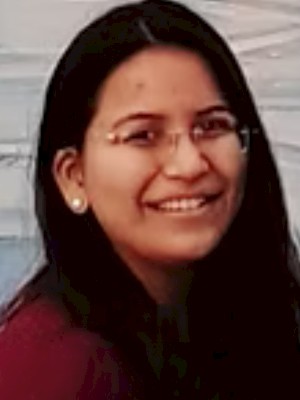
Priyanka Jamadagni
Postdoctoral Associate
Yale School of Medicine
Yale University
Speaker
There are currently >100 genes associated with autism spectrum disorders. Similarly, a 2024 study reported there are >90 risk loci associated with post-traumatic stress disorder. Although, advancing from multiple-genetic causes to identifying relevant pharmacological targets in neuropsychiatric disorders remains a central challenge. Zebrafish present a scalable system that is increasingly being used for pharmacological screens. In this study, we use large-scale zebrafish larval behavioural assays to screen US. FDA-approved drugs and develop a database of the behavioural fingerprints of 520 drugs in wild-type fish. In a previous functional screen of 10 genes that are strongly associated with autism, we showed that the behavioural phenotypes of these mutants clustered in three distinct subgroups. Here, we utilise our drug screening database to identify targets that significantly correlate and anticorrelate with each subgroup. Further, by screening select drugs that anti-correlate with specific mutant behavioural phenotypes, we identify top rescue drugs. As a next step, we have created stress paradigms in larval zebrafish that model post-stress behaviours in humans. Combining the post-stress behavioural fingerprints with the behavioural phenotype in zebrafish mutants of PTSD driver genes, we will leverage our pharmaco-behavioural database to identify suppressors of specific post-stress behaviours.
Speaker
Priyanka Jamadagni
Priyanka received her BS-MS dual degree from the Indian Institute of Science Education and Research (IISER) Mohali in 2016. For her master’s thesis she worked with Rajesh Ramachandran on retina regeneration. She did her PhD at National Institute for Scientific Research (INRS), Quebec, Canada. Her PhD work was on understanding the mechanisms underlying the neurodevelopmental aspects of a rare developmental disorder called CHARGE syndrome in a zebrafish model for the disorder. Currently, she is a postdoctoral associate with Ellen Hoffman at Yale University School of medicine. Her postdoctoral research has focused on performing pharmaco-behavioural screens to identify novel suppressors for neuropsychiatric disorder-associated behaviours, particularly autism spectrum disorders and post-traumatic stress disorder.